
Fear of robots (robophobia)
Robophobia describes a fear of, or strong dislike of, robots. It might show up as unease around humanoid robots, distrust of automated machines in shops and hospitals, or worry about where artificial intelligence is heading. For most people it is closer to a strong opinion than a phobia, though some do feel real anxiety.
Many people find that with the right help, robots and new technology become interesting rather than unsettling.
Use code PHOBIA at checkout for half price: £24.50 instead of £49. Outside the UK? $29.50.
About this phobia
The word is used in robotics and human-robot interaction research, usually to describe negative attitudes towards robots rather than a clinical condition. It is linked to the idea of the uncanny valley, where machines that look almost human feel eerie. It also overlaps with technophobia, a wider fear of technology.
How it shows up
For some people a robot vacuum or a self-checkout is a mild irritation, but for others robots stir up a deeper unease. Lifelike humanoid machines can feel eerie, and the idea of machines making choices about health, safety or jobs can bring real worry. Some people feel watched or listened to by smart devices in their own home. When the unease turns into avoidance, panic or lost sleep, it moves beyond a strong opinion towards a phobia.
Common triggers
- Humanoid robots with human faces
- Machines moving on their own
- News about AI replacing jobs
- Self-checkouts and automated kiosks
- Robot surgery or care machines
- Films about machines taking over
- Talking voice assistants
Where it shows up
- Supermarkets and airports
- Hospitals using automated systems
- Tech shows and science museums
- Workplaces bringing in automation
- Home, with smart speakers and devices
- Customer service chats online
Symptoms
In your body
- Muscle tension
- Racing heart
- Uneasy stomach
- Restlessness
- Shallow breathing
In your mind
- Sense the machine is watching
- Worry about losing control
- Fear of being replaced
- Distrust of decisions made by machines
What you might do
- Avoiding automated tills
- Unplugging smart devices
- Turning down tech-heavy roles
- Steering clear of robot exhibits
What may cause it
Studies of how people feel about robots suggest that machines which look almost human can feel eerie, an effect known as the uncanny valley. Films and news stories that show machines as a threat can add to the unease. Real changes at work, such as tasks being automated, can turn a vague worry into a personal one. As a clinical fear it is barely studied, since most research looks at attitudes rather than anxiety.
How it can affect your life
As automation spreads, everyday tasks like shopping or travel can become more stressful. At work, worry about new systems may hold someone back from training or roles they would otherwise enjoy. Some people also feel uneasy at home, avoiding helpful devices that friends and family find useful.
Related fears
- Fear of technology (technophobia)
- Fear of human-like figures (automatonophobia)
- Fear of computers (cyberphobia)
Things that can help day to day
- Learn how one specific machine works and what it cannot do
- Try a simple automated task with a friend beside you
- Cut down on alarming news and videos about AI
- Separate real work concerns from fears that come from films
When to get help
If fear of robots or technology is causing panic or getting in the way of work, a GP can point you towards talking therapy. Hypnotherapy can also help calm the anxiety response.
Explore more unusual fears in the rare phobias A to Z, or browse the common phobias.
About me
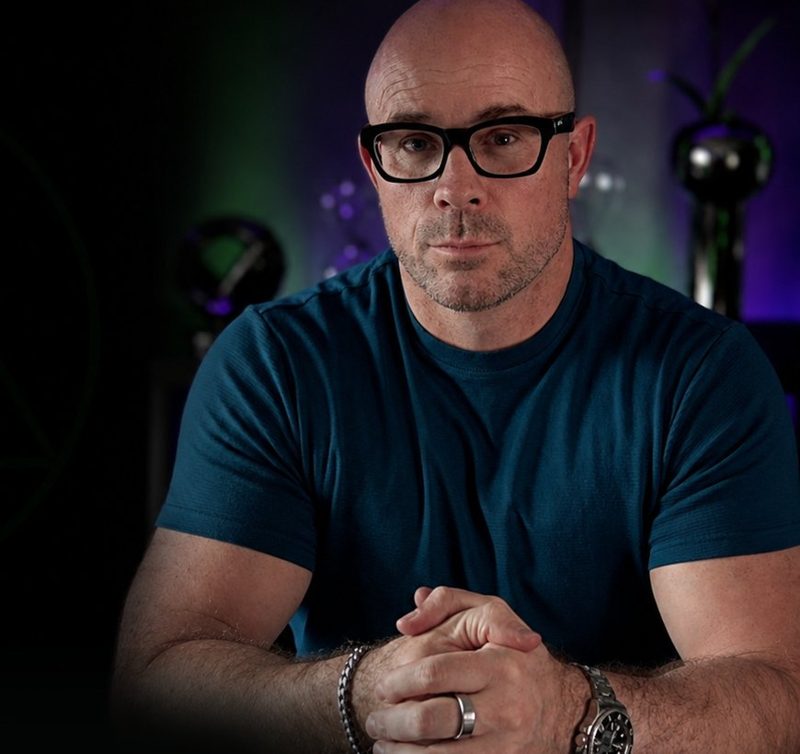
If you’ve tried to talk yourself out of this fear and it hasn’t worked, that isn’t a lack of willpower. A phobia is an alarm your mind learned, and logic alone rarely switches it off.
When a fear is less common, it can be harder to explain, so you may not have told many people about it. I work one to one over Zoom with people whose fears are holding them back, including rarer ones like this, and every plan starts with understanding what your fear is really about.
I’ve spent 17 years in clinical practice and helped more than 1,000 people with phobias. I hold a Postgraduate Certificate and a Postgraduate Diploma in Clinical Hypnotherapy, both with Distinction, and journalists and clients call me the Phobia Guru.
Common questions
Is robophobia a real phobia?
In most cases it is better seen as an attitude or a set of worries about robots and technology, and that is how researchers tend to use the word. For a small number of people the reaction is strong enough to feel like a true phobia, with panic and avoidance. Either way, the feelings are understandable given how fast the technology is changing.
How can you help?
I use hypnotherapy and NLP to change how your mind responds to the thing you fear, so the old alarm stops going off. Sessions are one to one over Zoom, and you get a recording of the hypnosis to listen to afterwards.
How many sessions will I need?
Many clients notice a real difference after one 90 minute session. If the fear goes back a long way, three sessions gives us room to make the change stick.
Further reading: Cleveland Clinic: Technophobia · Cleveland Clinic: Cyberphobia (fear of computers) · NHS: Phobias
Ready to start?
A short call is the simplest next step. We’ll talk about your fear, what you’d like to feel instead, and whether I’m the right person to help.
- Take the free test at the top of this page to see how strong your fear is.
- Book a 30 minute call. Use code PHOBIA at checkout for half price: £24.50 instead of £49 ($29.50 outside the UK).
- Start your sessions over Zoom from wherever you live, or face to face in Hertfordshire.
See all session options and prices