
Fear of roller coasters (veloxrotaphobia)
En español: lee sobre este miedo en Fobias.org.
A fear of roller coasters can show up in theme parks, on family days out and when friends say it will be fun. It is a coined term, but the dread is real, and it can be helped.
Many people find that with the right help, a theme park day out becomes fun again, whether or not they choose to ride.
Use code PHOBIA at checkout for half price: £24.50 instead of £49. Outside the UK? $29.50.
Understanding this fear
A fear of roller coasters is a strong dread of riding, or even being near, fast theme park and fairground rides. Lots of people find coasters intense and simply choose not to go on them, which is perfectly fine. It starts to look more like a phobia when the thought of a ride brings panic, when the build-up spoils the whole day, or when the fear spreads to other rides, heights or speed. Veloxrotaphobia is a coined name rather than a medical diagnosis, but the feelings behind it are very real.
There are no reliable figures on how many people have this fear, although fears of heights, speed and losing control are all widespread. Psychologists who have looked at ride fears often find they began with one frightening ride, a moment of feeling ill or trapped, or a news story about an accident. The fear often links with others, such as heights, falling, motion sickness or feeling shut in. People who are less drawn to thrill seeking may also simply find the whole experience more unpleasant than exciting.
Common triggers
- The safety bar locking into place
- The slow clanking climb of the lift hill
- Looking down from the top before a drop
- Screams from riders on the track
- The stomach lifting feeling on drops and loops
- Being pressed into the seat at high speed
- Not knowing which way the ride will turn next
- Friends or family pushing you to join in
- News stories about ride accidents
Where it shows up
- Theme parks and amusement parks
- Travelling fairs and seaside piers
- Queue lines and boarding platforms
- School trips, birthdays and work team days
- Holiday resorts with water slides
- Simulator rides and virtual reality games
- Ride videos shared online
Symptoms
In your body
- Butterflies or a heavy, sinking stomach
- Racing heart and fast breathing
- Sweaty palms and shaky legs
- Dizziness or feeling faint in the queue
- Nausea, sometimes linked to past motion sickness
- Hot or cold flushes
- Tight chest
In your mind
- What if the bar comes open
- I cannot get off once it starts
- I am going to be sick or pass out
- Everyone will laugh if I back out
- Dread that builds for days before a planned trip
- Feeling left out or ashamed while others enjoy it
What you might do
- Offering to hold the bags while others ride
- Making excuses to avoid theme park trips
- Leaving the queue at the last moment
- Shutting your eyes and gripping the bar throughout
- Checking ride safety records over and over
- Choosing only the gentlest rides, or none at all
What causes it
Roller coasters are designed to make you feel fear, so it is no surprise that some people find them too much. Speed, height and the sense of losing control all set off the body’s natural alarm, and in some people that alarm is simply more sensitive. A bad ride in the past, such as feeling sick, being thrown about or being stuck at the top, can link rides with danger in the mind, so that the screams or the sight of a track bring on anxiety before you even board. Watching a parent react with fear, or hearing about accidents in the news, can do the same, and people who find uncertainty hard often struggle when they cannot predict the next drop. Each time you avoid a ride, the relief confirms the fear, so it can grow stronger over the years.
How it can affect your life
On its own a fear of roller coasters may sound small, but it can cast a shadow over family holidays, birthdays and work outings. Parents sometimes feel sad that they cannot share rides with their children, and teenagers can feel left out when friends plan a theme park day. The worry before a trip can spoil the days leading up to it. For some, the fear spreads to other things that involve speed, heights or being strapped in.
Things that can help day to day
- Remind yourself that not riding is a valid choice, and you can still enjoy the day
- While you wait, breathe slowly with a long out-breath rather than watching the riders
- Catch the what if thoughts and remember that rides are inspected and run by trained staff
- Build up gradually with gentle family rides, at your own pace, and only if you want to
- Always follow each ride’s health warnings, especially for heart, back or neck problems and pregnancy
When to get help
Consider getting help if the dread starts days before a trip, if you have panic attacks in queues, or if the fear is spreading to heights, travel or other situations where you are not in control. It is also worth asking for help if it is affecting family life in a way you are unhappy with. If anxiety or panic is affecting your day to day life, speak to your GP first.
How I can help
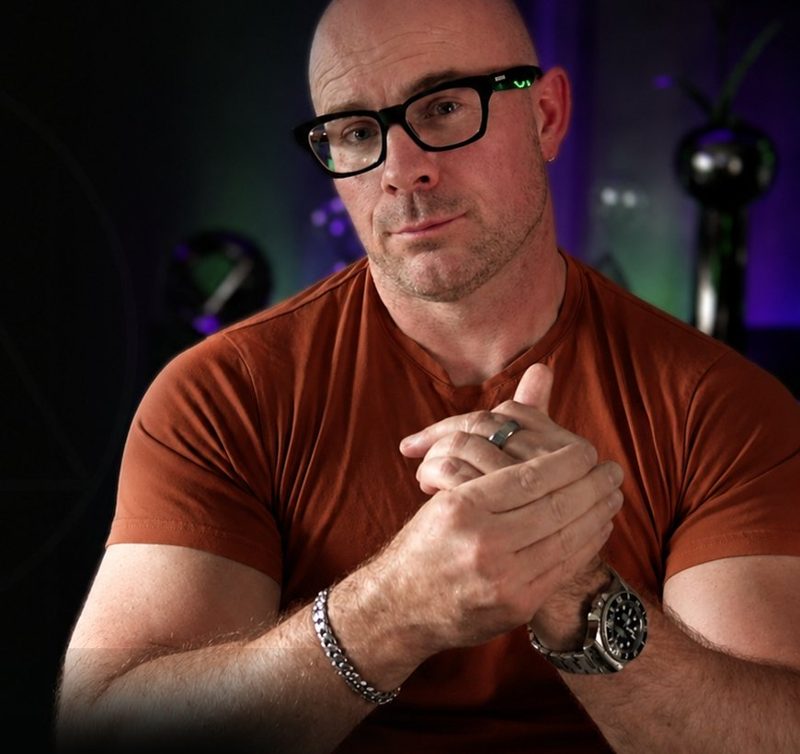
If you’ve tried to talk yourself out of this fear and it hasn’t worked, that isn’t a lack of willpower. A phobia is an alarm your mind learned, and logic alone rarely switches it off.
With roller coaster fears, I like to pin down which part really frightens you, whether that is the height, the speed, feeling trapped or the memory of one bad ride. Over Zoom, I use hypnotherapy and NLP to help you rehearse the whole day in your mind, from the queue to the safety bar to stepping off afterwards, while your body stays calm. This teaches your nervous system a different response to not being in control. Many clients find they can then decide freely whether to ride, rather than having the fear make that choice for them.
I’ve spent 17 years in clinical practice and helped more than 1,000 people with phobias. I hold a Postgraduate Certificate and a Postgraduate Diploma in Clinical Hypnotherapy, both with Distinction.
Common questions
Is it normal to be scared of roller coasters?
Yes, very. Rides are built to create a rush of fear, and many people simply do not enjoy it. It only becomes a problem if it causes real panic or stops you doing things you would like to do.
Why do some people love roller coasters and others hate them?
People differ in how much they enjoy intense, new sensations, and in how comfortable they are with uncertainty and loss of control. Thrill seekers read the rush as fun, while others read the same body signals as danger. A bad past experience can also tip the balance.
Will closing my eyes on a ride help?
Some people find it helps, but for others it makes things worse, because the body feels movement the eyes cannot see, which can add to dizziness or nausea. Many riders find keeping their eyes open and looking ahead feels more settled.
Is it normal to fear roller coasters?
Many people find them intense, and not enjoying them is perfectly fine. It becomes a phobia when you feel strong panic, or when it stops you joining in with family and friends.
How can you help?
I use hypnotherapy and NLP to change how your mind responds to the thing you fear, so the old alarm stops going off. Sessions are one to one over Zoom, and you get a recording of the hypnosis to listen to afterwards.
How many sessions will I need?
Many clients notice a real difference after one 90 minute session. If the fear goes back a long way, three sessions gives us room to make the change stick.
Further reading: Nottingham Trent University: Coasterphobia feature · CBC News: Roller coasters, the drive to scream · Lehigh Valley Public Media: Overcoming a fear of roller coasters · NHS: Phobias
Ready to start?
A short call is the simplest next step. We’ll talk about your fear, what you’d like to feel instead, and whether I’m the right person to help.
- Take the free test at the top of this page to see how strong your fear is.
- Book a 30 minute call. Use code PHOBIA at checkout for half price: £24.50 instead of £49 ($29.50 outside the UK).
- Start your sessions over Zoom from wherever you live, or face to face in Hertfordshire.
See all session options and prices