
Fear of saints or holy things (hagiophobia)
Hagiophobia is a fear of saints or holy things. It might show up as unease in churches, discomfort around religious statues, icons or relics, or anxiety at religious festivals. The fear can sit alongside deep faith, or arise in people with no faith at all.
Many people find that with the right help, churches and religious objects become places and things they can be near calmly.
Use code PHOBIA at checkout for half price: £24.50 instead of £49. Outside the UK? $29.50.
About this phobia
The name comes from the Greek hagios, meaning holy. It is a rarely reported term with little or no clinical documentation, and it is mainly found on lists of phobias. It belongs to a small group of religious-themed fears that includes hierophobia, the fear of priests or sacred things.
How it shows up
Hagiophobia can catch people off guard. Someone might feel watched by a statue’s eyes, uneasy near relics or shrines, or anxious when a procession carries a saint’s image down the street. For some believers the fear is about not being worthy, while for others the objects themselves seem eerie or charged. It differs from finding religious art old-fashioned because the reaction is strong and hard to shake off.
Common triggers
- Statues and paintings of saints
- Relics, shrines and tombs
- Icons with staring eyes
- Candles and incense in dim light
- Processions on feast days
- Stories of miracles or visions
- Saints’ days marked at school or work
Where it shows up
- Churches and cathedrals
- Museums and galleries
- Pilgrimage sites abroad
- Faith schools
- Relatives’ homes with shrines or icons
- Christmas markets and nativity scenes
Symptoms
In your body
- Shivers or goosebumps
- Shallow breathing
- Feeling hot or faint
- Tension in the neck and shoulders
- Tight throat
In your mind
- Feeling watched or judged
- Worry about being unworthy
- An eerie sense that something is wrong
What you might do
- Avoiding churches and museums
- Looking away from religious images
- Leaving services early
- Steering clear of religious holidays abroad
What may cause it
There is almost no clinical writing on hagiophobia. Like other specific fears, it may grow from an unsettling early memory, such as a frightening story about a saint, an eerie statue seen as a child, or a strict religious setting. Films that use religious imagery to scare, and a sense of not measuring up for people of faith, can both add to it. Avoidance then means the fear is never tested, so it can stay just as strong for years.
How it can affect your life
The fear can make weddings, funerals and holidays awkward, and limit visits to galleries and historic buildings. It may cause tension with religious relatives who find it hard to understand. Believers may feel cut off from parts of their own faith that once meant a lot to them.
Related fears
- Fear of priests or sacred things (hierophobia)
- Fear of statues (agalmatophobia)
- Fear of God or religion (theophobia)
- Fear of hell (hadephobia)
Things that can help day to day
- Read the history behind a saint or statue so it feels more ordinary
- Visit a church with a friend at a quiet time of day
- Look at religious art in books before seeing it in person
- Name the feeling and let it pass before deciding whether to leave
When to get help
If the fear stops you attending important family events or is tied to difficult experiences in a religious setting, speak to your GP. A GP or specialist counsellor can help if past mistreatment is involved.
Explore more unusual fears in the rare phobias A to Z, or browse the common phobias.
About me
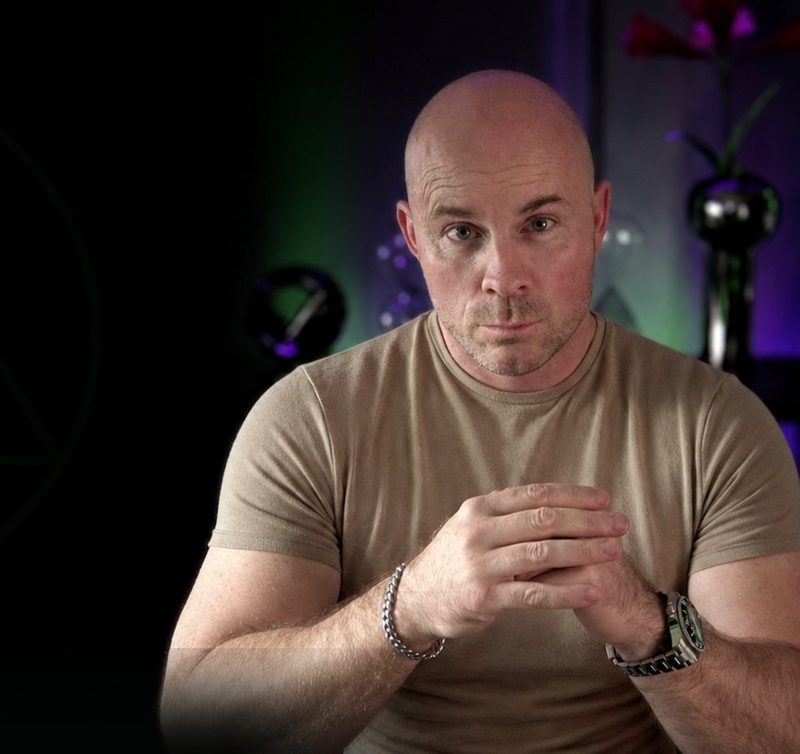
If you’ve tried to talk yourself out of this fear and it hasn’t worked, that isn’t a lack of willpower. A phobia is an alarm your mind learned, and logic alone rarely switches it off.
When a fear is less common, it can be harder to explain, so you may not have told many people about it. I work one to one over Zoom with people whose fears are holding them back, including rarer ones like this, and every plan starts with understanding what your fear is really about.
I’ve spent 17 years in clinical practice and helped more than 1,000 people with phobias. I hold a Postgraduate Certificate and a Postgraduate Diploma in Clinical Hypnotherapy, both with Distinction, and journalists and clients call me the Phobia Guru.
Common questions
Is hagiophobia the same as being against religion?
No. A fear is an emotional reaction, not a set of views, and people of strong faith can have it as well as people with none. It is often more about feelings of awe, guilt or unease than about belief itself.
How can you help?
I use hypnotherapy and NLP to change how your mind responds to the thing you fear, so the old alarm stops going off. Sessions are one to one over Zoom, and you get a recording of the hypnosis to listen to afterwards.
How many sessions will I need?
Many clients notice a real difference after one 90 minute session. If the fear goes back a long way, three sessions gives us room to make the change stick.
Further reading: Hagiophobia: Fear Of Saints, Swarthmore College
Ready to start?
A short call is the simplest next step. We’ll talk about your fear, what you’d like to feel instead, and whether I’m the right person to help.
- Take the free test at the top of this page to see how strong your fear is.
- Book a 30 minute call. Use code PHOBIA at checkout for half price: £24.50 instead of £49 ($29.50 outside the UK).
- Start your sessions over Zoom from wherever you live, or face to face in Hertfordshire.
See all session options and prices