
Fear of Satan (satanophobia)
Satanophobia is a fear of Satan or the devil. It can show up as intense anxiety about evil, worry about being tempted or punished, or avoiding films, books and images that feature the devil. For people of faith it may sit alongside their beliefs in a way that feels heavy rather than supportive.
Many people find that with the right help, frightening thoughts about the devil lose their hold and life feels calmer.
Use code PHOBIA at checkout for half price: £24.50 instead of £49. Outside the UK? $29.50.
About this phobia
The name simply joins Satan with the ending for fear. It is a rare term, mostly found on lists, and is not a recognised diagnosis in its own right. It can overlap with religious forms of obsessive worry, sometimes called scrupulosity, as well as with demonophobia, a fear of demons.
How it shows up
For someone with this fear, thoughts about the devil can feel close and personal, as though evil is waiting for one slip. They may worry that a bad thought means they are being influenced, or feel panic at images, music or films with dark themes. For people of faith, prayer and worship can start to feel anxious rather than comforting. It differs from ordinary belief because the worry is constant and out of step with how the person wants to feel.
Common triggers
- Images of the devil or demons
- Horror films about possession
- Unwanted bad or blasphemous thoughts
- Sermons about evil or judgement
- Certain music or symbols
- Talk of curses or the occult
- Talk of the end of the world
Where it shows up
- Places of worship
- At night or when alone
- Watching films or television
- Bookshops and galleries
- Online forums and videos
- Religious festivals and services
Symptoms
In your body
- Racing heart
- Chills
- Sleeplessness
- Tight chest
- Sweating
In your mind
- Fear of temptation or punishment
- Doubt about being good enough
- Unwanted intrusive thoughts
- Strong need for certainty
What you might do
- Repeated prayers or rituals for relief
- Seeking reassurance from others
- Avoiding certain films and books
- Checking for signs of evil
What may cause it
Very little is written about this as a separate phobia. It can grow from frightening teachings in childhood, horror films, or a stressful time when the mind jumps to worst-case thoughts. In some people it is part of scrupulosity, a form of obsessive worry centred on religion or morality. Rituals and reassurance bring brief calm but keep the cycle turning.
How it can affect your life
It can bring distress into faith, disturb sleep and lead to avoiding a lot of everyday media. Relationships may be strained by a constant need for reassurance. Some people also feel they cannot talk about it openly, which can leave them feeling isolated and ashamed.
Related fears
- Fear of demons (demonophobia)
- Fear of hell (stygiophobia)
- Religious obsessive worry (scrupulosity)
- Fear of evil spirits
Things that can help day to day
- Talk to a faith leader you trust about what worries you
- Remind yourself that a thought is not the same as an action
- Cut back on reassurance seeking one step at a time
- Choose calming books, films and music in the evening
When to get help
If the fear involves intrusive thoughts or rituals that take up a lot of time, see a GP, who can refer you to talking therapy. Many therapists are used to working respectfully with people of faith.
Explore more unusual fears in the rare phobias A to Z, or browse the common phobias.
About me
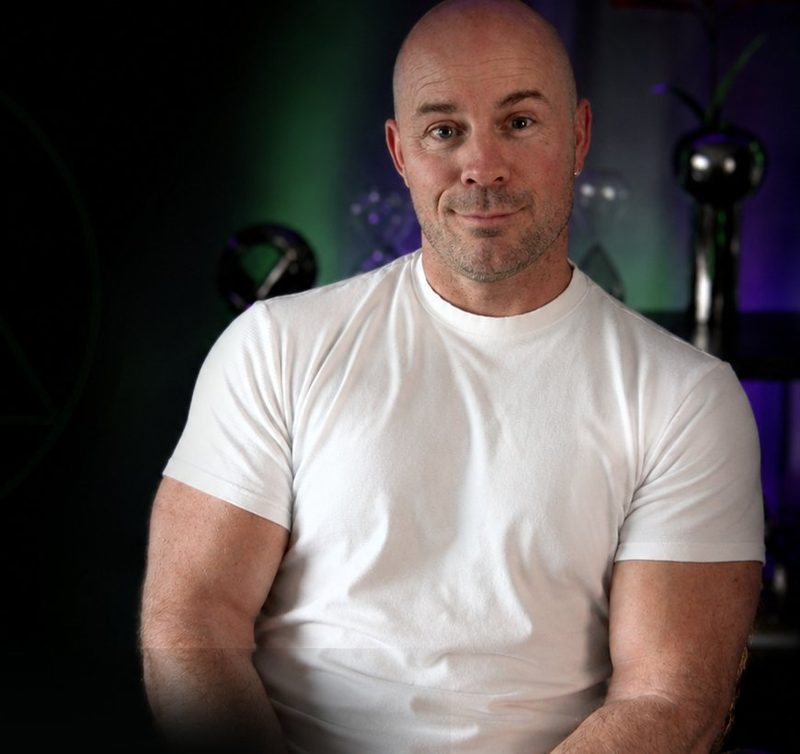
If you’ve tried to talk yourself out of this fear and it hasn’t worked, that isn’t a lack of willpower. A phobia is an alarm your mind learned, and logic alone rarely switches it off.
When a fear is less common, it can be harder to explain, so you may not have told many people about it. I work one to one over Zoom with people whose fears are holding them back, including rarer ones like this, and every plan starts with understanding what your fear is really about.
I’ve spent 17 years in clinical practice and helped more than 1,000 people with phobias. I hold a Postgraduate Certificate and a Postgraduate Diploma in Clinical Hypnotherapy, both with Distinction, and journalists and clients call me the Phobia Guru.
Common questions
Can someone have satanophobia and still hold a religious faith?
Yes. The fear is about the level of distress, not about belief itself, and many people with it want to keep their faith while feeling less afraid. Some find it helps to talk to a trusted faith leader as well as getting support for the anxiety.
How can you help?
I use hypnotherapy and NLP to change how your mind responds to the thing you fear, so the old alarm stops going off. Sessions are one to one over Zoom, and you get a recording of the hypnosis to listen to afterwards.
How many sessions will I need?
Many clients notice a real difference after one 90 minute session. If the fear goes back a long way, three sessions gives us room to make the change stick.
Further reading: Medical News Today: Religious OCD · NHS: Obsessive compulsive disorder · NHS: Phobias
Ready to start?
A short call is the simplest next step. We’ll talk about your fear, what you’d like to feel instead, and whether I’m the right person to help.
- Take the free test at the top of this page to see how strong your fear is.
- Book a 30 minute call. Use code PHOBIA at checkout for half price: £24.50 instead of £49 ($29.50 outside the UK).
- Start your sessions over Zoom from wherever you live, or face to face in Hertfordshire.
See all session options and prices