
Fear of waves (cymophobia)
En español: lee sobre este miedo en Fobias.org.
Cymophobia is a fear of waves. It might mean staying well back from the shoreline, refusing to swim in the sea, or feeling uneasy watching waves crash on screen, and boat trips may be out of the question.
Many people find that with the right help, they can stand at the shoreline, paddle or swim and enjoy the sea.
Use code PHOBIA at checkout for half price: £24.50 instead of £49. Outside the UK? $29.50.
About this phobia
The name comes from the Greek kyma, meaning wave, and it is also written kymophobia. It is uncommon and has little clinical documentation of its own. It often sits alongside thalassophobia, the fear of deep or open water, and aquaphobia, the wider fear of water.
How it shows up
A healthy respect for the sea is wise, but cymophobia brings fear even when the water is calm and you are safe on dry land. The rise and fall of the swell, the roar as waves break or the pull of water around the ankles can set off strong panic. For some it is the motion itself that unsettles them, so rippling water or wave patterns on a screen can be enough. The feeling often lingers long after the beach is out of sight.
Common triggers
- Breaking waves and surf
- The sound of crashing water
- The pull of the tide around the feet
- Swaying boats and ferries
- Wave machines at leisure pools
- Storm footage and tsunami news
Where it shows up
- Beach holidays and seaside towns
- Ferry crossings and boat trips
- Leisure pools with wave machines
- Harbour walls and promenades
- Films and documentaries set at sea
Symptoms
In your body
- Racing heart
- Breathlessness
- Dizziness or a sense of movement
- Nausea
- Trembling
In your mind
- Fear of being swept away
- Thoughts of drowning
- Feeling helpless against the power of water
- Dread in the days before a seaside trip
What you might do
- Staying far back from the waterline
- Refusing to paddle or swim in the sea
- Choosing inland holidays
- Looking away from wave images on screen
What may cause it
A frightening moment in the sea, such as being knocked over or dragged by a wave, can leave a lasting fear. Stories of drownings and storms may add to it, especially when heard in childhood. Waves really are powerful and unpredictable, so some caution makes sense, and the phobia develops when that caution spills over into settings that are safe. Cymophobia has little research of its own and is usually understood alongside fears of deep water and of water in general.
How it can affect your life
It can limit holidays and family days at the beach, and make children’s swimming or seaside plans stressful. Some people find the fear spreads to other water, such as pools, lakes or rivers.
Related fears
- Fear of deep or open water (thalassophobia)
- Fear of water (aquaphobia)
- Fear of drowning
Things that can help day to day
- Enjoy the sea from a safe spot, such as a bench on the promenade, for short spells
- Watch calm wave footage at home while practising slow breathing
- Choose lifeguarded beaches and learn what the safety flags mean
- Build general water confidence with swimming lessons in a pool
When to get help
If the fear began after a frightening experience in water and returns as flashbacks or panic, talk to your GP. A therapist experienced with phobias can help you feel steadier around water without any pressure to go in.
Explore more unusual fears in the rare phobias A to Z, or browse the common phobias.
About me
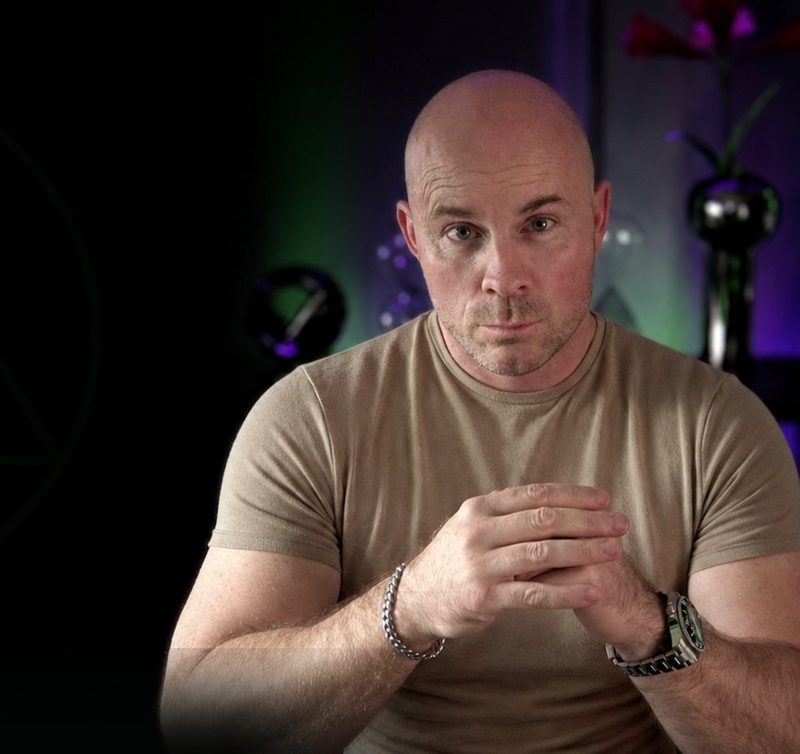
If you’ve tried to talk yourself out of this fear and it hasn’t worked, that isn’t a lack of willpower. A phobia is an alarm your mind learned, and logic alone rarely switches it off.
When a fear is less common, it can be harder to explain, so you may not have told many people about it. I work one to one over Zoom with people whose fears are holding them back, including rarer ones like this, and every plan starts with understanding what your fear is really about.
I’ve spent 17 years in clinical practice and helped more than 1,000 people with phobias. I hold a Postgraduate Certificate and a Postgraduate Diploma in Clinical Hypnotherapy, both with Distinction, and journalists and clients call me the Phobia Guru.
Common questions
What is the difference between cymophobia and thalassophobia?
Cymophobia centres on waves, their movement and their force. Thalassophobia is more about the depth and vastness of the sea, and what might lie beneath. Some people feel both, while others are fine in calm deep water but uneasy in surf.
How can you help?
I use hypnotherapy and NLP to change how your mind responds to the thing you fear, so the old alarm stops going off. Sessions are one to one over Zoom, and you get a recording of the hypnosis to listen to afterwards.
How many sessions will I need?
Many clients notice a real difference after one 90 minute session. If the fear goes back a long way, three sessions gives us room to make the change stick.
Further reading: Cymophobia: the fear of waves, sea swells and wave-like motions (SurferToday) · Thalassophobia: the fear of the sea (SurferToday)
Ready to start?
A short call is the simplest next step. We’ll talk about your fear, what you’d like to feel instead, and whether I’m the right person to help.
- Take the free test at the top of this page to see how strong your fear is.
- Book a 30 minute call. Use code PHOBIA at checkout for half price: £24.50 instead of £49 ($29.50 outside the UK).
- Start your sessions over Zoom from wherever you live, or face to face in Hertfordshire.
See all session options and prices