
Fear of sexual intercourse (genophobia)
En español: lee sobre este miedo en Fobias.org.
A fear of sexual intercourse can affect intimacy, relationships and how safe you feel with a partner. It is more common than people think, and many never talk about it. It can be helped, gently and at your own pace.
Many people find that with the right help, closeness with a partner can start to feel safe, at a pace that feels right for them.
Use code PHOBIA at checkout for half price: £24.50 instead of £49. Outside the UK? $29.50.
Understanding this fear
A fear of sexual intercourse, sometimes called genophobia, is an intense anxiety about sex itself, even with a partner you love and trust. It goes well beyond ordinary first time nerves or the odd awkward moment. Just the thought of being intimate can set off panic, and many people find themselves pulling away from closeness to avoid that feeling. It is usually understood as a type of specific phobia rather than a separate diagnosis.
It can affect people of any gender and at any age, whether they have never had sex or have been in sexual relationships before. Because it is such a private subject, few people talk about it, so there is no reliable figure for how common it is. It sometimes links with other fears, such as a fear of being touched, of nudity, of pregnancy or childbirth, or of illness. For some it follows a painful or upsetting experience, while for others there is no clear starting point at all.
Common triggers
- A partner moving towards more intimacy
- Kissing that feels like it might lead further
- Conversations about sex in a relationship
- Undressing or being seen without clothes
- Fear of physical pain
- Worries about pregnancy or infections
- Feeling judged on your body or performance
- Reminders of a past upsetting experience
- Intimate scenes in films or on TV
Where it shows up
- Early dates and new relationships
- The bedroom at night
- Weekends away or holidays as a couple
- Occasions with expectations attached, such as a wedding night
- Medical or sexual health appointments
- Moving in with a partner
- Chats with friends about relationships
Symptoms
In your body
- Racing heart when intimacy seems close
- Tense muscles or a feeling of freezing
- Nausea or a knotted stomach
- Sweating or feeling hot and flushed
- Shallow, shaky breathing
- Physical tightness that makes closeness uncomfortable
- Poor sleep before planned time together
In your mind
- Dread that it will hurt
- Fear of being judged or not being good enough
- Feeling out of control or unsafe
- Guilt or shame linked to sex
- Worry that a partner will leave
- Unwanted memories coming back
What you might do
- Avoiding dating or ending things early
- Making excuses at bedtime
- Steering away from cuddles in case they lead further
- Going to bed at different times from a partner
- Freezing or switching off during intimacy
- Relying on alcohol to get through it
What causes it
There is rarely one single cause. For some people the fear follows a painful or frightening experience, including past assault or abuse, while for others it grows out of a medical issue that makes sex uncomfortable, such as vaginismus or endometriosis. Strict or shaming messages about sex while growing up, worries about body image and fear of pregnancy or infection can all play a part. Wider anxiety tends to make the body’s alarm system more sensitive. Once the fear is there, avoiding closeness brings short term relief, which teaches the mind that intimacy is something to escape and keeps the cycle turning.
How it can affect your life
This fear often lands hardest on relationships. Partners can feel rejected or confused, and the person with the fear may feel guilty, broken or afraid of being left. Some stop dating altogether, while others stay in a relationship but feel tense whenever closeness is near. It can also affect plans for a family, self esteem and general mood.
Things that can help day to day
- Talk with your partner about pace and boundaries at a calm moment outside the bedroom
- Enjoy simple closeness, such as holding hands, with no pressure to go further
- Practise slow breathing and relaxing your body when you notice tension
- Write down the worried thoughts that show up, without judging yourself
- Learn about your body from trusted sources such as the NHS website
When to get help
If this fear is causing pain, distress or strain in your relationship, it is worth getting support. Your GP or a sexual health clinic can check for physical causes such as vaginismus, and you can ask for a doctor of a particular gender and bring someone you trust. If the fear is linked to a past experience, a specialist counsellor or psychosexual therapist can help alongside our work. If you are feeling very low, please speak to your GP or call Samaritans on 116 123.
How I can help
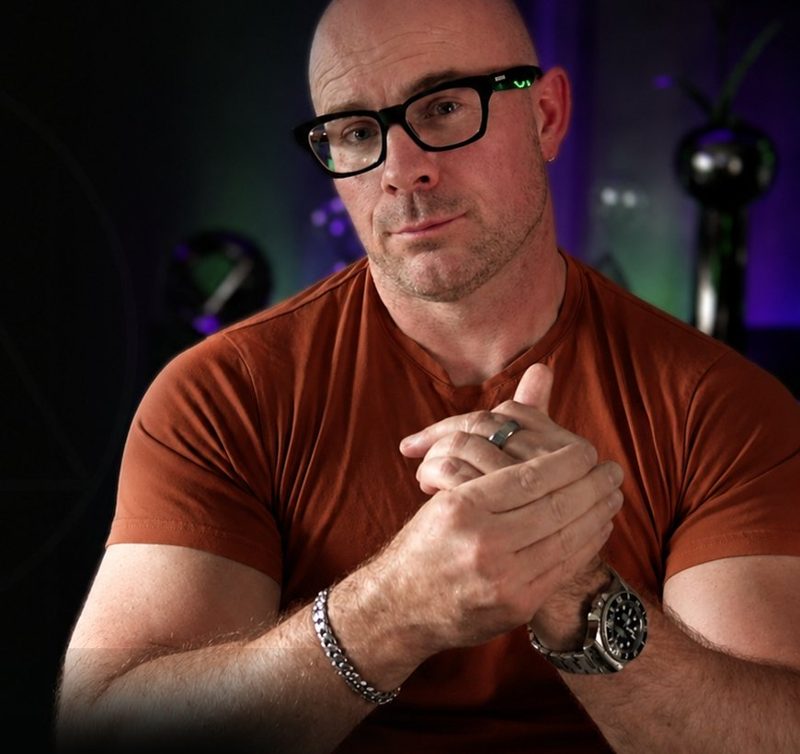
If you’ve tried to talk yourself out of this fear and it hasn’t worked, that isn’t a lack of willpower. A phobia is an alarm your mind learned, and logic alone rarely switches it off.
I work with this fear gently and at your pace over Zoom, and you never need to share details you are not comfortable with. First we look at what the fear is really about, whether that is pain, losing control, being judged or something from the past. With hypnotherapy and NLP I help you feel calm and safe in your body when you think about closeness, and we rehearse feeling relaxed and in charge in your mind first. Many clients find that the automatic tension softens and they can enjoy closeness with a partner on their own terms.
I’ve spent 17 years in clinical practice and helped more than 1,000 people with phobias. I hold a Postgraduate Certificate and a Postgraduate Diploma in Clinical Hypnotherapy, both with Distinction.
Please note: If this fear is linked to a past experience, a specialist counsellor can help alongside our work, and your GP can also check for any physical causes.
Common questions
Is it normal to be scared of having sex?
Some nerves are very common, especially early in a relationship. It becomes a phobia when the fear is intense, lasts a long time and leads you to avoid intimacy even when part of you wants it. Either way, it can be helped.
Can a physical problem cause a fear of sex?
Yes. Conditions that make sex painful, such as vaginismus, can lead to fear, and fear can make the body tense up even more. That is why a check with a GP or sexual health clinic is a good idea alongside any therapy.
Should I tell my partner about this fear?
Many people find it a relief to share it, even in simple terms, because it takes the pressure off and helps a partner see it is not about them. You can choose how much to say and when.
Is it normal to feel this way?
Yes, many people feel anxious about intimacy, and there is nothing to be ashamed of. The fear can have different roots for different people, so we take it slowly and keep everything comfortable and private.
How can you help?
I use hypnotherapy and NLP to change how your mind responds to the thing you fear, so the old alarm stops going off. Sessions are one to one over Zoom, and you get a recording of the hypnosis to listen to afterwards.
How many sessions will I need?
Many clients notice a real difference after one 90 minute session. If the fear goes back a long way, three sessions gives us room to make the change stick.
Further reading: Psych Central: Genophobia, fear of sex · NHS: Vaginismus · NHS: Phobias
Ready to start?
A short call is the simplest next step. We’ll talk about your fear, what you’d like to feel instead, and whether I’m the right person to help.
- Take the free test at the top of this page to see how strong your fear is.
- Book a 30 minute call. Use code PHOBIA at checkout for half price: £24.50 instead of £49 ($29.50 outside the UK).
- Start your sessions over Zoom from wherever you live, or face to face in Hertfordshire.
See all session options and prices