
Fear of shadows (sciophobia)
En español: lee sobre este miedo en Fobias.org.
Sciophobia is a fear of shadows. It can mean feeling uneasy in dimly lit rooms, keeping lights on at night, or being startled by a shadow moving at the edge of vision. Many people find it is strongest in the evening or when they are alone.
Many people find that with the right help, dim rooms and shadows on the wall become ordinary again.
Use code PHOBIA at checkout for half price: £24.50 instead of £49. Outside the UK? $29.50.
About this phobia
The name comes from the Greek skia, meaning shadow. It is uncommon and has little clinical writing of its own. It is closely linked with nyctophobia, the fear of the dark, and with the brain’s habit of seeing shapes and figures in vague shadows.
How it shows up
For someone with this fear, a shadow sliding across a wall can feel like someone is there, even when they know the room is empty. They may sleep with lights on, avoid rooms lit by a single lamp, or jump when car headlights sweep across the ceiling. The fear often comes from the way shadows shift shape and hide detail, leaving the mind to fill in the gaps. Most people are startled by a shadow now and then, but here it shapes how someone uses their home and spends their evenings.
Common triggers
- Movement at the edge of vision
- Headlights crossing the ceiling
- Trees casting shapes at night
- Dim corners of a room
- Your own shadow behind you
- Flickering candlelight
- Coats hanging on doors at night
Where it shows up
- Bedroom at night
- Hallways and stairs
- Streets under lamp posts
- Woods at dusk
- Old buildings
- Empty houses after dark
Symptoms
In your body
- Jumping or startling
- Racing heart
- Prickling at the back of the neck
- Trouble getting to sleep
- Shallow breathing
In your mind
- Sense of someone in the room
- Seeing faces or figures in shapes
- Dread as evening comes
- Worry about what might be hiding
What you might do
- Keeping lights on all night
- Avoiding dim rooms
- Checking behind doors
- Closing curtains early
What may cause it
Clinical writing on this fear is scarce. The brain tends to see faces and figures in vague shapes, a habit called pareidolia, and in low light this can feel threatening. Scary films, childhood stories or one frightening night can strengthen the link. Always keeping lights blazing helps in the moment but stops the fear from fading.
How it can affect your life
It can disturb sleep and make evenings at home uncomfortable. Some people avoid staying away from home or being alone after dark. Poor sleep then makes the next day harder and can leave people more jumpy the following night.
Related fears
- Fear of the dark (nyctophobia)
- Fear of ghosts (phasmophobia)
- Fear of night (noctiphobia)
- Fear of being alone (monophobia)
Things that can help day to day
- Use a soft night light instead of a bright main light
- Move lamps so they cast fewer harsh shadows on the walls
- Look straight at a shadow to see what is really causing it
- Practise slow breathing as it starts to get dark
When to get help
If fear of shadows is stopping you sleeping or being alone, talking therapy or hypnotherapy can help. If you see shapes or figures that others cannot see, mention it to a GP.
Explore more unusual fears in the rare phobias A to Z, or browse the common phobias.
About me
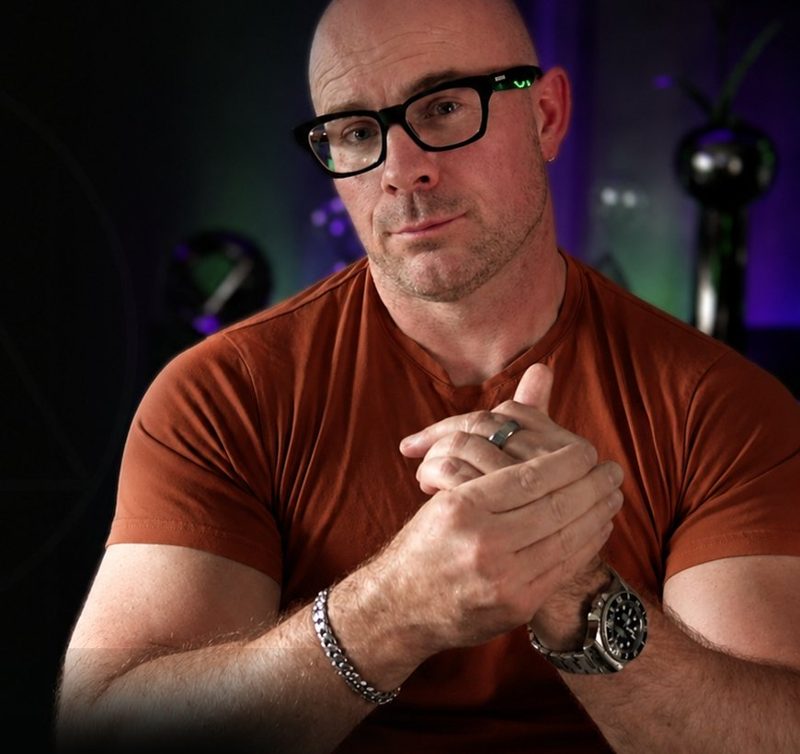
If you’ve tried to talk yourself out of this fear and it hasn’t worked, that isn’t a lack of willpower. A phobia is an alarm your mind learned, and logic alone rarely switches it off.
When a fear is less common, it can be harder to explain, so you may not have told many people about it. I work one to one over Zoom with people whose fears are holding them back, including rarer ones like this, and every plan starts with understanding what your fear is really about.
I’ve spent 17 years in clinical practice and helped more than 1,000 people with phobias. I hold a Postgraduate Certificate and a Postgraduate Diploma in Clinical Hypnotherapy, both with Distinction, and journalists and clients call me the Phobia Guru.
Common questions
Why do shadows sometimes look like people?
The brain is quick to see faces and figures in unclear shapes, a habit generally thought to help spot danger quickly. In low light it fills in the gaps, so a coat on a door can briefly look like someone standing there. For someone with sciophobia, those moments set off a much stronger fear response.
How can you help?
I use hypnotherapy and NLP to change how your mind responds to the thing you fear, so the old alarm stops going off. Sessions are one to one over Zoom, and you get a recording of the hypnosis to listen to afterwards.
How many sessions will I need?
Many clients notice a real difference after one 90 minute session. If the fear goes back a long way, three sessions gives us room to make the change stick.
Further reading: Cleveland Clinic: Nyctophobia (fear of the dark) · NHS: Phobias
Ready to start?
A short call is the simplest next step. We’ll talk about your fear, what you’d like to feel instead, and whether I’m the right person to help.
- Take the free test at the top of this page to see how strong your fear is.
- Book a 30 minute call. Use code PHOBIA at checkout for half price: £24.50 instead of £49 ($29.50 outside the UK).
- Start your sessions over Zoom from wherever you live, or face to face in Hertfordshire.
See all session options and prices