
Fear of sharks (galeophobia)
En español: lee sobre este miedo en Fobias.org.
A fear of sharks can show up at the beach, in a swimming pool, in a lake or even while watching a film. Many people feel it without ever having seen a shark, and it can be helped.
Many people find that with the right help, they can swim in the sea or a lake and enjoy the beach without the shark thoughts taking over.
Use code PHOBIA at checkout for half price: £24.50 instead of £49. Outside the UK? $29.50.
Understanding this fear
Galeophobia is an intense fear of sharks. It goes further than a sensible respect for a wild animal. People with it may panic at the sight of a fin on screen, refuse to swim in the sea at all, or even feel uneasy in a pool or lake where no shark could possibly be. The fear is about what might be lurking below, and the imagination fills in the rest.
There are no firm figures for how many people have a diagnosed shark phobia, but surveys suggest that fear of sharks is very widespread. One psychologist who studies it points out that very young babies show no fear of sharks, which suggests the fear is mostly learned, largely from films and dramatic news stories. Many people trace theirs back to seeing Jaws as a child. It often overlaps with a fear of deep water, of the open sea or of not being able to see what is beneath you.
Common triggers
- Seeing a fin or a dark shape in the water
- Deep or murky water where you cannot see the bottom
- Shark scenes in films and documentaries
- News stories about shark bites
- Something brushing your leg while swimming
- Swimming out of your depth
- Tense music or sound effects
- Close up pictures of teeth and jaws
Where it shows up
- Beaches and the open sea
- Boats, ferries and paddleboards
- Snorkelling and diving trips
- Deep ends of swimming pools
- Lakes and reservoirs
- Aquariums and sea life centres
- Watching TV or films at home
Symptoms
In your body
- Racing heart
- Short, fast breathing
- Shaking or trembling
- Sweating
- A sinking, sick feeling in the stomach
- Dizziness
- Nightmares and broken sleep
In your mind
- Certainty that something is beneath you
- Vivid images of being bitten
- A sense of losing control in the water
- Dread of holidays by the sea
- Feeling silly for being scared yet unable to stop
What you might do
- Refusing to go in the sea
- Staying only in the shallows
- Scanning the water constantly
- Avoiding shark films or leaving the room
- Checking for shark sightings before trips
- Choosing holidays away from the coast
What causes it
Much of this fear seems to be learned rather than born. Jaws and the films that followed created a powerful image of sharks as hunters of people, and news coverage often pairs minor incidents with dramatic pictures of great whites. The sea itself plays a part too, because like a dark forest it hides what is there and the mind tends to imagine the worst. A frightening moment in the water, or growing up with a parent who feared the sea, can add to it. Keeping out of the water then brings relief, which stops the mind from learning how rare problems really are.
How it can affect your life
A fear of sharks can shape holidays, family days at the beach and water sports. Parents may struggle to relax while children play in the sea, or may pass the fear on without meaning to. Some people turn down boat trips, diving or swimming lessons, and a few feel uneasy in any deep water. Nightmares and replayed film scenes can also disturb sleep.
Things that can help day to day
- Learn about sharks from calm, factual sources rather than dramatic TV
- Switch off sensational programmes and tense music that ramp up the fear
- Practise slow breathing while picturing calm, clear water
- Visit an aquarium and watch sharks from behind the glass at your own pace
- Swim at lifeguarded beaches with others and follow local safety advice
When to get help
If the fear is stopping you from enjoying holidays, swimming with your children or even watching TV, it is worth getting help. If you are having frequent nightmares or panic attacks, or anxiety is affecting your sleep and daily life, your GP is a good first port of call.
How I can help
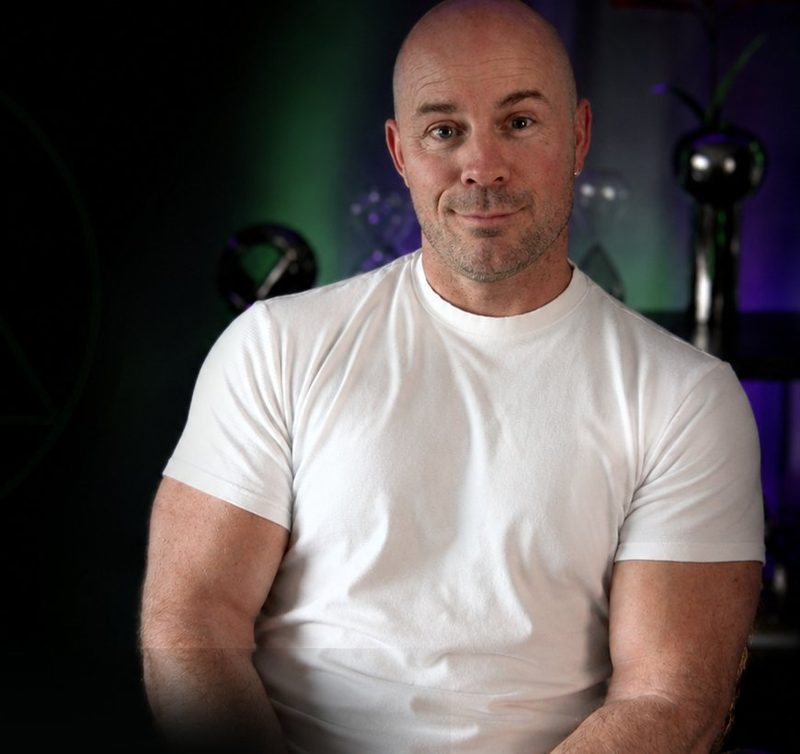
If you’ve tried to talk yourself out of this fear and it hasn’t worked, that isn’t a lack of willpower. A phobia is an alarm your mind learned, and logic alone rarely switches it off.
When I help people with a fear of sharks, I often find it began with one vivid scene from a film or a story heard as a child. Working over Zoom with hypnotherapy and NLP, we change how that picture plays in your mind so it loses its charge. I then help you rehearse being in the water feeling calm and aware, with a healthy respect for the sea but without the panic. Many clients find they can enjoy the beach again and decide for themselves how far they want to go in.
I’ve spent 17 years in clinical practice and helped more than 1,000 people with phobias. I hold a Postgraduate Certificate and a Postgraduate Diploma in Clinical Hypnotherapy, both with Distinction.
Common questions
How likely is a shark bite really?
Very unlikely. The Florida Museum, which keeps a worldwide record of shark bites, reports roughly 70 unprovoked bites a year across the whole world, and most cause minor injuries. Knowing this may not stop the fear on its own, but it can help put it in perspective.
Why am I scared of sharks in a swimming pool?
Fear does not follow logic. Your mind links deep or dark water with the picture of a shark, so the alarm can go off even where no shark could be. It shows how strongly the fear has been learned, and what has been learned can be changed.
Did Jaws cause my fear of sharks?
It may well have played a big part. Many people with this fear say the film is where it began, and both the author of the book and the director later expressed regret about how it shaped views of sharks.
Why am I afraid of sharks when I have never seen one?
Films, news stories and documentaries can plant a very vivid picture in the mind. Your brain treats that picture as if it were real danger, so the fear can feel strong even with no direct experience. It can overlap with a fear of deep water, which is called thalassophobia.
How can you help?
I use hypnotherapy and NLP to change how your mind responds to the thing you fear, so the old alarm stops going off. Sessions are one to one over Zoom, and you get a recording of the hypnosis to listen to afterwards.
How many sessions will I need?
Many clients notice a real difference after one 90 minute session. If the fear goes back a long way, three sessions gives us room to make the change stick.
Further reading: Florida Museum: The fear of sharks · Wikipedia: Galeophobia · NHS: Phobias
Ready to start?
A short call is the simplest next step. We’ll talk about your fear, what you’d like to feel instead, and whether I’m the right person to help.
- Take the free test at the top of this page to see how strong your fear is.
- Book a 30 minute call. Use code PHOBIA at checkout for half price: £24.50 instead of £49 ($29.50 outside the UK).
- Start your sessions over Zoom from wherever you live, or face to face in Hertfordshire.
See all session options and prices