
Fear of sharp objects (aichmophobia)
En español: lee sobre este miedo en Fobias.org.
A fear of sharp things can show up around needles, knives, scissors and even a sharpened pencil. It can make medical appointments and kitchen tasks feel tense, and it can be helped.
Many people find that with the right help, they can use a knife in the kitchen or sit through a medical appointment feeling calm.
Use code PHOBIA at checkout for half price: £24.50 instead of £49. Outside the UK? $29.50.
Understanding this fear
Aichmophobia is an intense fear of sharp or pointed things. It can include needles, knives, scissors, pins, broken glass, sharp corners and even a freshly sharpened pencil. It is different from the normal care everyone takes around a blade. With this fear, just seeing or thinking about a sharp object can set off strong anxiety, and some people cannot bear one being pointed towards them.
It is a specific phobia and is often grouped with fears of blood, injury and injections. A fear of needles in a medical setting is sometimes treated as its own phobia, but many people with aichmophobia find needles hard as part of a wider fear. Only a minority of people with a specific phobia ever seek help, so the true numbers are unknown. For some, the fear is less about the object and more about unwanted thoughts about it, which are common with anxiety.
Common triggers
- A knife left out on the worktop
- Scissors or a blade pointed towards you
- Needles at a blood test or vaccination
- Pins, drawing pins and safety pins
- Broken glass or crockery
- Sharp corners on tables and shelves
- Watching someone chop food quickly
- Scenes with blades in films or on TV
Where it shows up
- Kitchens and dining tables
- GP surgeries and blood clinics
- The dentist
- Sewing, craft and DIY settings
- Hairdressers and barbers
- Classrooms with compasses and scissors
- Restaurants with knives laid on the table
Symptoms
In your body
- Racing heart
- Shaking or tingling hands
- Short, quick breathing
- Dizziness or feeling faint
- Sweating
- Feeling sick
- A strong urge to get away
In your mind
- Someone is going to get cut
- I will slip and hurt myself
- I cannot look at the point of it
- Unwanted, out of character thoughts about sharp things that feel frightening
- Worry about what the fear says about you
What you might do
- Hiding knives and scissors in drawers or getting rid of them
- Asking others to cut food or open packages
- Putting off or cancelling blood tests and jabs
- Checking where every sharp object is in a room
- Buying only blunt or plastic utensils
- Seeking reassurance that everyone is safe
What causes it
The exact cause is not known. Often it follows a frightening event involving something sharp, such as a bad cut, an accident at home or a difficult medical procedure, either to you or to someone you saw. Growing up with an anxious parent, or having a family history of anxiety, seems to raise the chances. Some clinicians note that for certain people it overlaps with obsessive compulsive patterns, where an unwanted thought about a blade causes alarm and leads to checking and avoiding. Each time knives are hidden or a test is cancelled, the relief tells the brain the danger was real, which keeps the fear going.
How it can affect your life
This fear can make cooking, crafts and DIY feel tense or impossible, so people may rely on ready meals or on other people. It can also affect health when blood tests, vaccinations or dental work are put off, which is why it is worth keeping your GP or nurse in the loop. Family life can be strained when everyone has to tidy sharp things away. Some people feel quietly ashamed and stop inviting friends round for meals.
Things that can help day to day
- Tell your nurse or doctor about the fear before any test so they can support you
- Practise slow breathing and drop your shoulders before kitchen tasks
- Use tools that keep blades covered or out of sight, such as a food processor, while you work on the fear
- Notice frightening thoughts as thoughts, not warnings, and let them pass without arguing with them
- Take small steps, such as looking at a picture of closed scissors, rather than handling anything sharp
When to get help
It is worth getting help if you are avoiding medical tests or treatment, cannot prepare food, or the fear is spreading to more objects. Please keep talking to your GP or nurse about any test or treatment coming up so they can support you through it. If unwanted thoughts about sharp things keep coming back and upset you, your GP is the right person to speak to, as these are common with anxiety and help is available.
How I can help
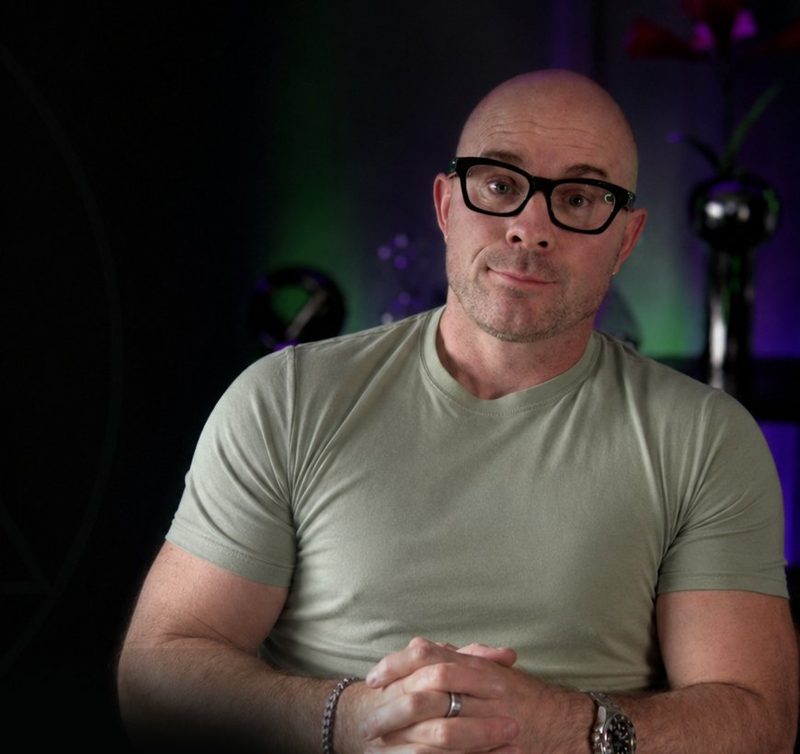
If you’ve tried to talk yourself out of this fear and it hasn’t worked, that isn’t a lack of willpower. A phobia is an alarm your mind learned, and logic alone rarely switches it off.
When I work with a fear of sharp objects, I start by finding out what it is really about, whether that is a past injury, a hospital experience, or frightening thoughts that seem to come from nowhere. Using hypnotherapy and NLP over Zoom, I help your mind file old experiences away so they stop firing the alarm. We then rehearse calm moments in your imagination, such as a nurse getting ready for a blood test or a knife resting on a chopping board, while your body stays settled. Many clients find their automatic reaction softens and everyday tasks start to feel more ordinary. You get a recording of the hypnosis to listen to between sessions.
I’ve spent 17 years in clinical practice and helped more than 1,000 people with phobias. I hold a Postgraduate Certificate and a Postgraduate Diploma in Clinical Hypnotherapy, both with Distinction.
Please note: If you have a medical test or treatment coming up, please keep talking to your GP or nurse so they can support you through it.
Common questions
Why do I hate knives being pointed at me?
A blade pointing towards you is a strong danger signal for the brain, even when the person holding it is careful. With aichmophobia that signal is turned up much too high, so ordinary moments feel threatening.
Can this fear stop me getting medical care?
It can, if it leads you to cancel blood tests or vaccinations. Tell the staff about your fear, as they are used to helping anxious patients, and speak to your GP if you keep putting things off.
Do scary thoughts about knives mean something is wrong with me?
Unwanted thoughts that feel out of character are very common in anxiety, and the upset they cause shows they go against who you are. If they keep coming back, talk to your GP, as there is good help for this kind of worry.
Is this the same as a fear of needles?
A fear of needles is one form of it, but aichmophobia is wider and can include knives, pencils and anything pointed. Some people only react to one kind of object, so we would look at your own triggers.
How can you help?
I use hypnotherapy and NLP to change how your mind responds to the thing you fear, so the old alarm stops going off. Sessions are one to one over Zoom, and you get a recording of the hypnosis to listen to afterwards.
How many sessions will I need?
Many clients notice a real difference after one 90 minute session. If the fear goes back a long way, three sessions gives us room to make the change stick.
Further reading: Cleveland Clinic: Aichmophobia · Medical News Today: Aichmophobia · NHS: Obsessive compulsive disorder
Ready to start?
A short call is the simplest next step. We’ll talk about your fear, what you’d like to feel instead, and whether I’m the right person to help.
- Take the free test at the top of this page to see how strong your fear is.
- Book a 30 minute call. Use code PHOBIA at checkout for half price: £24.50 instead of £49 ($29.50 outside the UK).
- Start your sessions over Zoom from wherever you live, or face to face in Hertfordshire.
See all session options and prices