
Fear of shellfish (ostraconophobia)
En español: lee sobre este miedo en Fobias.org.
Ostraconophobia is a fear of shellfish, such as prawns, crabs, mussels and oysters. It might be about eating them, touching them or simply seeing them on a fish counter. If the fear means eating much less or losing weight, speak to a GP.
Many people find that with the right help, a seafood restaurant or a fish counter becomes somewhere they can be calmly.
Use code PHOBIA at checkout for half price: £24.50 instead of £49. Outside the UK? $29.50.
About this phobia
The name is linked to the Greek ostrakon, meaning shell. It is rare and found mainly on lists of phobias, and it can overlap with simply avoiding a food you dislike. It is also worth separating from a shellfish allergy, which is a medical matter for a GP.
How it shows up
Many people simply do not like shellfish, and that is a matter of taste. Ostraconophobia is different because the sight, smell or even the thought of shellfish brings on real anxiety. Some people fear being poisoned, while others are troubled by the shells, legs, eyes or slippery textures. The fear is also worth separating from a shellfish allergy, which needs proper medical advice rather than self-help.
Common triggers
- Seafood platters piled with prawns and crabs
- Live lobsters or crabs in tanks
- The strong smell of cooked shellfish
- Shells, claws and legs on a plate
- Stories about food poisoning from mussels or oysters
- Being offered a taste at a meal
Where it shows up
- Seafood restaurants and fish and chip shops
- Beaches, harbours and rock pools
- Supermarket fish counters
- Holiday meals abroad
- Buffets at weddings and parties
Symptoms
In your body
- Nausea
- Gagging
- Racing heart
- Tight throat
- Feeling faint
In your mind
- Worry about being poisoned
- Disgust
- Dread before meals out
- Worry about shellfish touching other food
What you might do
- Avoiding restaurants and seaside towns
- Checking menus
- Refusing shared dishes
- Leaving tables when shellfish arrives
What may cause it
There is no research on this fear by name. It may follow a bout of food poisoning, an allergic reaction in yourself or someone close, or a bad moment such as being nipped by a crab as a child. Disgust can play a big part, especially at the look of shells, claws and eyes on a plate. Avoiding shellfish entirely, even the sight of it, keeps the link strong and can let the fear spread to fish in general.
How it can affect your life
It can limit eating out, seaside holidays and family meals, especially in coastal towns or abroad where seafood is everywhere. Some people feel embarrassed explaining it to friends or hosts. Sharing platters and buffets can feel particularly tense.
Related fears
- Fear of fish (ichthyophobia)
- Fear of being poisoned (toxiphobia)
- Fear of crabs
- Fear of new foods (food neophobia)
Things that can help day to day
- Tell hosts and restaurants in advance what you would rather avoid
- Look at pictures of shellfish at home before seeing it on a fish counter
- Sit away from shared seafood platters while you build confidence
- If you have ever had a reaction after eating shellfish, ask a GP about allergy checks rather than guessing
When to get help
If this fear means you are eating much less or losing weight, speak to a GP. Any allergic reaction should always be checked by a GP.
Explore more unusual fears in the rare phobias A to Z, or browse the common phobias.
About me
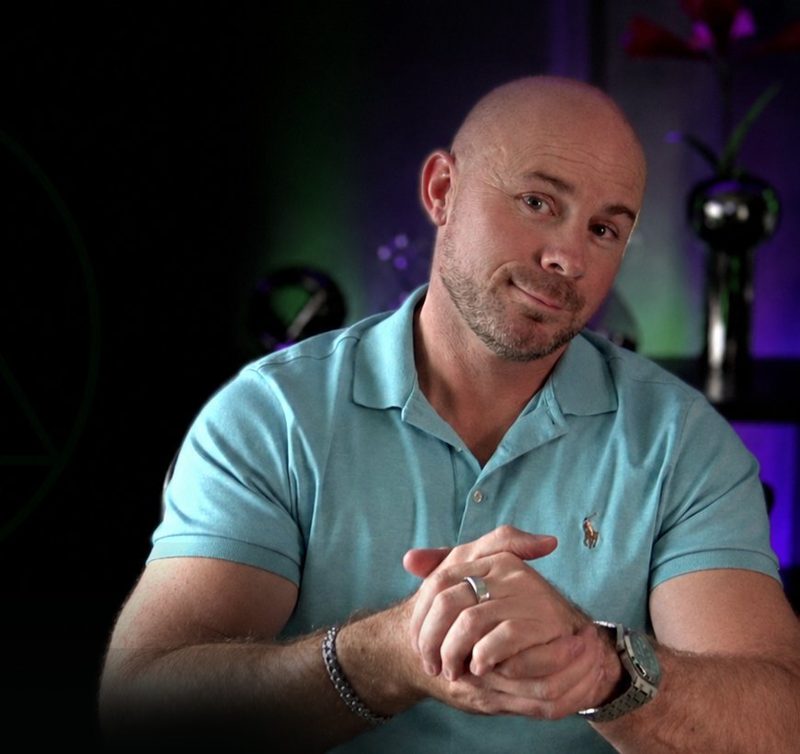
If you’ve tried to talk yourself out of this fear and it hasn’t worked, that isn’t a lack of willpower. A phobia is an alarm your mind learned, and logic alone rarely switches it off.
When a fear is less common, it can be harder to explain, so you may not have told many people about it. I work one to one over Zoom with people whose fears are holding them back, including rarer ones like this, and every plan starts with understanding what your fear is really about.
I’ve spent 17 years in clinical practice and helped more than 1,000 people with phobias. I hold a Postgraduate Certificate and a Postgraduate Diploma in Clinical Hypnotherapy, both with Distinction, and journalists and clients call me the Phobia Guru.
Common questions
Could my fear be an allergy instead?
Some people avoid shellfish after a bad reaction, which may point to an allergy rather than a phobia. If you have had symptoms after eating shellfish, see a GP to check.
How can you help?
I use hypnotherapy and NLP to change how your mind responds to the thing you fear, so the old alarm stops going off. Sessions are one to one over Zoom, and you get a recording of the hypnosis to listen to afterwards.
How many sessions will I need?
Many clients notice a real difference after one 90 minute session. If the fear goes back a long way, three sessions gives us room to make the change stick.
Further reading: NHS: Food allergy · NHS: Phobias
Ready to start?
A short call is the simplest next step. We’ll talk about your fear, what you’d like to feel instead, and whether I’m the right person to help.
- Take the free test at the top of this page to see how strong your fear is.
- Book a 30 minute call. Use code PHOBIA at checkout for half price: £24.50 instead of £49 ($29.50 outside the UK).
- Start your sessions over Zoom from wherever you live, or face to face in Hertfordshire.
See all session options and prices