
Fear of shock (hormephobia)
Hormephobia is a fear of shock, usually meaning a sudden fright or jolt. People may dislike surprises, startle easily, or avoid jump scares, fireworks and sudden loud noises. Some live in a low-level state of bracing, ready for something unexpected to happen.
Many people find that with the right help, surprises and sudden noises stop sending them through the roof.
Use code PHOBIA at checkout for half price: £24.50 instead of £49. Outside the UK? $29.50.
About this phobia
Hormephobia is a rarely reported term found mostly on lists of phobias, and those lists rarely make clear whether shock means a sudden fright, an electric shock or a nasty surprise. It has little or no clinical documentation. Related, better-known fears include ligyrophobia, the fear of loud noises.
How it shows up
Most people jump at a sudden bang, then laugh it off a moment later. With hormephobia, the fear of being startled or shocked shapes daily life, so people may dodge surprise parties, horror films and even the doorbell. Some describe a constant low hum of tension, as if always waiting for the next jolt to arrive. For others the focus is electric shocks, so plugs, switches and static from a car door bring real worry.
Common triggers
- Sudden loud noises
- Jump scares
- Surprise parties
- Someone coming up behind you
- Static shocks from cars or carpets
- Phones or doorbells ringing without warning
- Balloons popping
Where it shows up
- Bonfire night and New Year’s Eve
- Cinemas
- Busy offices
- Home when alone
- Theme parks
- Children’s parties
Symptoms
In your body
- Strong startle reflex
- Racing heart
- Muscle tension
- Trouble sleeping
- Shaking after a fright
In your mind
- Constant alertness
- Fear of losing control
- Dread of the unexpected
- Embarrassment about your reactions
What you might do
- Avoiding surprises and horror
- Asking people not to creep up
- Keeping phones on silent
- Staying home on firework nights
What may cause it
There is no clinical research on hormephobia itself, and even the meaning of shock in the word is unclear. A strong startle response can be part of general anxiety, and it often features after frightening events, when the body stays on high alert long after the danger has passed. Some people are simply more sensitive to sudden sounds or sensations than others. Avoiding surprises keeps the system primed, so small jolts feel bigger each time.
How it can affect your life
The fear can make social events, fireworks and family gatherings stressful, especially around early November. Constant bracing is tiring and can disrupt sleep. It may also strain relationships if others find the need for warnings or quiet hard to understand.
Related fears
- Fear of loud noises (ligyrophobia)
- Fear of fireworks
- Fear of electricity (electrophobia)
- Fear of the unknown
Things that can help day to day
- Ask people at home to knock or call out before coming into a room
- Practise slow breathing every day, not just when you have been startled
- Play recorded sounds at low volume and turn them up bit by bit over a few weeks
- Notice whether caffeine makes you jumpier and cut back if it does
When to get help
If you are startled easily after a frightening event, or the fear is affecting sleep and daily life, speak to your GP. Talking therapy can help settle a nervous system that is stuck on alert.
Explore more unusual fears in the rare phobias A to Z, or browse the common phobias.
About me
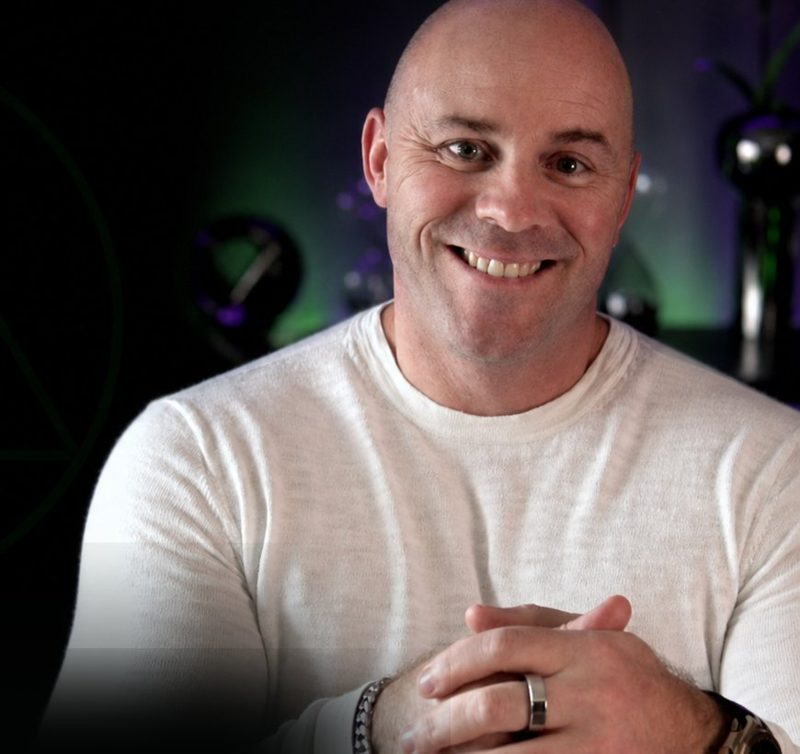
If you’ve tried to talk yourself out of this fear and it hasn’t worked, that isn’t a lack of willpower. A phobia is an alarm your mind learned, and logic alone rarely switches it off.
When a fear is less common, it can be harder to explain, so you may not have told many people about it. I work one to one over Zoom with people whose fears are holding them back, including rarer ones like this, and every plan starts with understanding what your fear is really about.
I’ve spent 17 years in clinical practice and helped more than 1,000 people with phobias. I hold a Postgraduate Certificate and a Postgraduate Diploma in Clinical Hypnotherapy, both with Distinction, and journalists and clients call me the Phobia Guru.
Common questions
Why do I startle so easily?
Some people simply have a stronger startle response, and stress or poor sleep can make it worse. A very jumpy, on-edge feeling can also follow a frightening experience. If it is affecting daily life, it is worth talking to a GP.
How can you help?
I use hypnotherapy and NLP to change how your mind responds to the thing you fear, so the old alarm stops going off. Sessions are one to one over Zoom, and you get a recording of the hypnosis to listen to afterwards.
How many sessions will I need?
Many clients notice a real difference after one 90 minute session. If the fear goes back a long way, three sessions gives us room to make the change stick.
Further reading: Healthline: Fear of loud noises · Medical News Today: Phonophobia · NHS: Phobias
Ready to start?
A short call is the simplest next step. We’ll talk about your fear, what you’d like to feel instead, and whether I’m the right person to help.
- Take the free test at the top of this page to see how strong your fear is.
- Book a 30 minute call. Use code PHOBIA at checkout for half price: £24.50 instead of £49 ($29.50 outside the UK).
- Start your sessions over Zoom from wherever you live, or face to face in Hertfordshire.
See all session options and prices