
Fear of sinning (hamartophobia)
En español: lee sobre este miedo en Fobias.org.
Hamartophobia is a fear of sinning, or of doing something morally wrong. People may go over their actions again and again, confess or apologise far more than needed, or avoid ordinary situations in case they slip. It can be exhausting and take much of the comfort out of faith.
Many people find that with the right help, the going over and over eases and they can trust they are a good person doing their best.
Use code PHOBIA at checkout for half price: £24.50 instead of £49. Outside the UK? $29.50.
About this phobia
The name comes from the Greek hamartia, meaning error or sin. The term itself is mostly found on lists, but the pattern it describes is well recognised as religious scrupulosity, which is often understood as a form of obsessive compulsive disorder. That means established help is available for it.
How it shows up
Most people care about doing the right thing. With hamartophobia, the worry is constant and sticky: a white lie, a passing thought or a slip at work can feel like a serious wrong that must be put right at once. People may lie awake checking their conscience, or ask others again and again whether something was sinful. They often know the fear is out of proportion, yet the doubt keeps coming back.
Common triggers
- Unwanted thoughts that seem wrong or blasphemous
- Small mistakes or white lies
- Religious teaching about sin
- Being unsure whether a rule was broken
- Prayer or confession that does not feel right
- Hearing about other people’s wrongdoing
- Moral dilemmas in the news
Where it shows up
- Places of worship
- Bedtime when the mind is quiet
- Work, where small errors happen
- Family events with strong religious views
- Shops when worried about paying correctly
- Online forums about faith and morals
Symptoms
In your body
- Tight chest
- Restlessness
- Headaches
- Fatigue from poor sleep
- Churning stomach
In your mind
- Constant doubt about being good
- Intrusive thoughts that feel shameful
- Strong need for certainty
What you might do
- Repeated confession or apology
- Asking for reassurance
- Repeating prayers or rituals
- Avoiding situations where mistakes might happen
What may cause it
The pattern behind hamartophobia is well recognised as scrupulosity, which is widely understood as a form of obsessive compulsive disorder. It can affect people of any faith or none, as some focus on moral rather than religious rules. As with OCD more generally, the urge to check, confess or seek reassurance brings brief relief but feeds the doubt. Stress, big life changes and a strict upbringing may make it more likely to flare.
How it can affect your life
Scrupulosity can take hours out of a day and make faith feel heavy. It can strain relationships when loved ones are asked for reassurance over and over. Some people pull back from work or social life to avoid any chance of doing wrong.
Related fears
- Religious scrupulosity
- Obsessive compulsive disorder (OCD)
- Fear of hell (hadephobia)
- Fear of failure (atychiphobia)
Things that can help day to day
- Notice reassurance seeking and try to delay it a little longer each time
- Agree a simple, fixed practice with a faith leader and stick to it
- Label intrusive thoughts as OCD thoughts, not as who you are
- Read about scrupulosity from a reliable OCD charity
When to get help
If doubts about sin take up a lot of each day, see your GP, as talking therapy for OCD is well established. In England you can also refer yourself to NHS Talking Therapies.
Explore more unusual fears in the rare phobias A to Z, or browse the common phobias.
About me
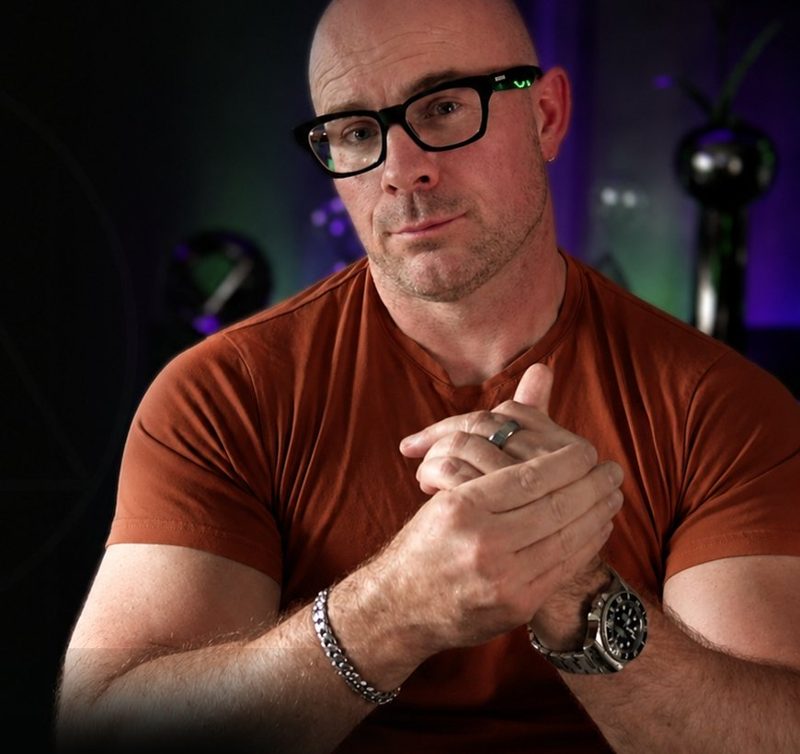
If you’ve tried to talk yourself out of this fear and it hasn’t worked, that isn’t a lack of willpower. A phobia is an alarm your mind learned, and logic alone rarely switches it off.
When a fear is less common, it can be harder to explain, so you may not have told many people about it. I work one to one over Zoom with people whose fears are holding them back, including rarer ones like this, and every plan starts with understanding what your fear is really about.
I’ve spent 17 years in clinical practice and helped more than 1,000 people with phobias. I hold a Postgraduate Certificate and a Postgraduate Diploma in Clinical Hypnotherapy, both with Distinction, and journalists and clients call me the Phobia Guru.
Common questions
Is hamartophobia a sign of OCD?
It can be. When fear of sinning leads to repeated checking, confessing or reassurance seeking, it may be scrupulosity, which is often treated as a type of OCD. A GP can help you explore this and find the right support.
How can you help?
I use hypnotherapy and NLP to change how your mind responds to the thing you fear, so the old alarm stops going off. Sessions are one to one over Zoom, and you get a recording of the hypnosis to listen to afterwards.
How many sessions will I need?
Many clients notice a real difference after one 90 minute session. If the fear goes back a long way, three sessions gives us room to make the change stick.
Further reading: Scrupulosity: When OCD Targets Your Religious and Moral Values, Psych Central · Religious OCD, Medical News Today
Ready to start?
A short call is the simplest next step. We’ll talk about your fear, what you’d like to feel instead, and whether I’m the right person to help.
- Take the free test at the top of this page to see how strong your fear is.
- Book a 30 minute call. Use code PHOBIA at checkout for half price: £24.50 instead of £49 ($29.50 outside the UK).
- Start your sessions over Zoom from wherever you live, or face to face in Hertfordshire.
See all session options and prices