
Fear of sitting down (kathisophobia)
Kathisophobia is a fear of sitting down. Someone with this fear might stand through meals, meetings or long train rides, or tense up the moment they are offered a seat. If sitting causes real pain or discomfort, it is worth getting that checked with a GP, as a physical cause can sometimes feed the fear.
Many people find that with the right help, sitting down for a meal, a meeting or a long trip feels comfortable again.
Use code PHOBIA at checkout for half price: £24.50 instead of £49. Outside the UK? $29.50.
About this phobia
The term turns up mainly on online lists of phobias and is not a recognised clinical diagnosis. In practice, a fear like this is often tied to something else, such as feeling trapped once seated, worry about a chair giving way, or the memory of pain.
How it shows up
Sitting is something most people do without a thought, which is why this fear can be so hard to explain to others. For some, the dread is about the act of lowering into a seat, and for others it is about what happens once seated, such as feeling pinned in place or unable to get up quickly. It goes well beyond preferring to stand, as the person may feel a rush of panic when a chair is pulled out for them or when everyone else sits down. Many quietly invent reasons to stay on their feet.
Common triggers
- Being offered a seat in front of others
- Low, soft sofas that are hard to get out of
- Chairs that look old, wobbly or flimsy
- Seats in the middle of a packed row
- Long trips with fixed seating
- Medical or dental chairs
Where it shows up
- Restaurants and dinner parties
- Cinemas, theatres and concert halls
- Work meetings and interviews
- Buses, trains and planes
- Waiting rooms
Symptoms
In your body
- Tense legs and back
- Pounding heart as the seat gets closer
- Sweating or feeling flushed
- Feeling light-headed
In your mind
- Fear of being trapped or unable to stand up
- Worry that the chair will break
- Feeling watched while seated
What you might do
- Standing at the back or against a wall
- Perching on the very edge of a seat
- Choosing aisle seats or end places
- Making excuses to avoid sitting
What may cause it
Very little has been written about this fear, so any cause is a best guess based on how phobias work in general. A fall from a chair, a sore back or hip, or a past injury can link sitting with pain, and the mind may then expect the same each time. For others the real fear is being stuck, which ties it to claustrophobia or to a worry about panicking with no easy way out. Standing whenever possible brings quick relief, but it also teaches the brain that sitting really was a threat.
How it can affect your life
Standing through meals, meetings and travel can be tiring and can draw questions from colleagues, friends or family. Over time some people turn down invitations or long trips rather than face hours in a seat.
Related fears
- Fear of being trapped (claustrophobia)
- Fear of falling (basophobia)
- Fear of pain (algophobia)
Things that can help day to day
- Start with a sturdy, upright chair near a door at home
- Sit for a short, set time and slowly add a little more
- Notice and loosen tight muscles in the legs and shoulders
- Tell one trusted person so you do not have to explain each time
When to get help
If sitting brings on pain, numbness or stiffness, see a GP first so any physical cause is checked. If the fear is stopping you working, travelling or eating with others, a therapist can help you work through it step by step.
Explore more unusual fears in the rare phobias A to Z, or browse the common phobias.
About me
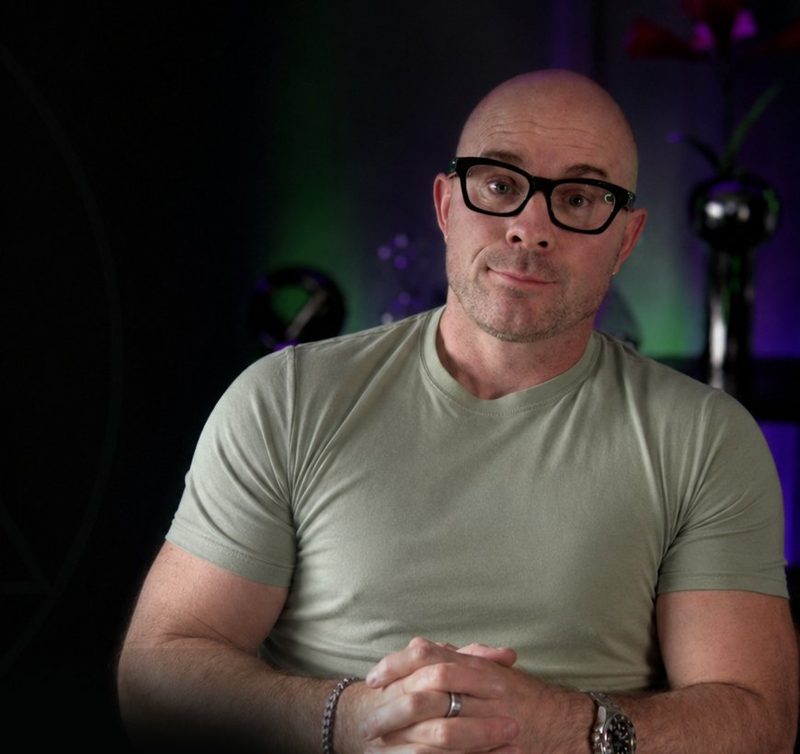
If you’ve tried to talk yourself out of this fear and it hasn’t worked, that isn’t a lack of willpower. A phobia is an alarm your mind learned, and logic alone rarely switches it off.
When a fear is less common, it can be harder to explain, so you may not have told many people about it. I work one to one over Zoom with people whose fears are holding them back, including rarer ones like this, and every plan starts with understanding what your fear is really about.
I’ve spent 17 years in clinical practice and helped more than 1,000 people with phobias. I hold a Postgraduate Certificate and a Postgraduate Diploma in Clinical Hypnotherapy, both with Distinction, and journalists and clients call me the Phobia Guru.
Common questions
Why would someone be afraid of sitting down?
There is rarely one simple answer. For some people it links to feeling stuck or unable to leave, and for others to a past fall, injury or embarrassing moment. Looking at what the fear is really about is usually more useful than focusing on the chair itself.
How can you help?
I use hypnotherapy and NLP to change how your mind responds to the thing you fear, so the old alarm stops going off. Sessions are one to one over Zoom, and you get a recording of the hypnosis to listen to afterwards.
How many sessions will I need?
Many clients notice a real difference after one 90 minute session. If the fear goes back a long way, three sessions gives us room to make the change stick.
Further reading: 35 unusual phobias you never knew existed (Reader’s Digest Asia) · Cathisophobia: what patients need to know (Acibadem)
Ready to start?
A short call is the simplest next step. We’ll talk about your fear, what you’d like to feel instead, and whether I’m the right person to help.
- Take the free test at the top of this page to see how strong your fear is.
- Book a 30 minute call. Use code PHOBIA at checkout for half price: £24.50 instead of £49 ($29.50 outside the UK).
- Start your sessions over Zoom from wherever you live, or face to face in Hertfordshire.
See all session options and prices