
Fear of skin disease (dermatophobia)
En español: lee sobre este miedo en Fobias.org.
Dermatophobia is a fear of skin disease. Someone with this fear may check their skin closely for spots and marks, worry about catching a rash from others, or avoid touching shared surfaces. Any real skin changes, such as a new or changing mole, are worth showing to a GP.
You can look after your skin sensibly without the worry running your days. Many people find that with the right help, the checking eases.
Use code PHOBIA at checkout for half price: £24.50 instead of £49. Outside the UK? $29.50.
About this phobia
The word comes from the Greek derma, meaning skin. It is rarely reported, and the same word is also used on some lists with other meanings, such as a fear of skin itself. It overlaps with health anxiety and with dermatosiophobia, a similar term for fear of skin conditions.
How it shows up
Most people glance at a new spot and move on, but with dermatophobia a small mark can set off a wave of fear. People may study their skin under bright light, compare photos or ask others to look again and again. Some worry most about catching something, so handshakes, shared towels or gym mats become a problem. The fear tends to fix on whichever mark or rash is most noticeable at the time.
Common triggers
- New spots, moles or freckles
- Rashes, itching or dry patches
- Seeing someone with a skin condition
- Pictures of skin disease online
- Shared towels, bedding or changing rooms
- Stories about skin cancer and sun damage
Where it shows up
- The bathroom mirror under bright light
- Gyms, pools and changing rooms
- Clinics and waiting rooms
- Summer holidays
- Online health forums
Symptoms
In your body
- Itching or tingling when thinking about skin
- Racing heart
- Hot flushes
- Tension and restlessness
In your mind
- Belief that a mark is serious
- Fear of catching something
- Doubting reassurance
- Constant thoughts about the skin
What you might do
- Checking skin many times a day
- Avoiding touch and shared surfaces
- Searching symptoms online
- Covering up even in warm weather
What may cause it
Dermatophobia often sits within health anxiety, where normal changes in the body are read as signs of serious illness. A loved one’s skin cancer, a past skin infection or an alarming news story can start it off, and so can time spent on forums where worst cases are shared. Checking and seeking reassurance give brief relief, then the doubt returns, which keeps the cycle going. There is little research on dermatophobia as a separate phobia, but health anxiety itself is well understood and can be helped by talking therapies.
How it can affect your life
Time spent checking and worrying can eat into the day, and avoiding touch can affect relationships. Summer, swimming and shared spaces may be dreaded or avoided. Some people pick at or scrub marks they are worried about, which can cause the very irritation they fear.
Related fears
- Health anxiety
- Fear of skin conditions (dermatosiophobia)
- Fear of germs (mysophobia)
- Fear of disease (nosophobia)
Things that can help day to day
- Check your skin once a month in good light rather than many times a day
- Keep a simple photo of any mole you are unsure about to show your GP
- Limit time spent looking at skin images and forums online
- When the urge to check comes, wait a few minutes and see if it passes
When to get help
Show any new, changing or bleeding mole or lasting skin change to your GP. If checking and worry carry on after reassurance, ask them about support for health anxiety.
Explore more unusual fears in the rare phobias A to Z, or browse the common phobias.
About me
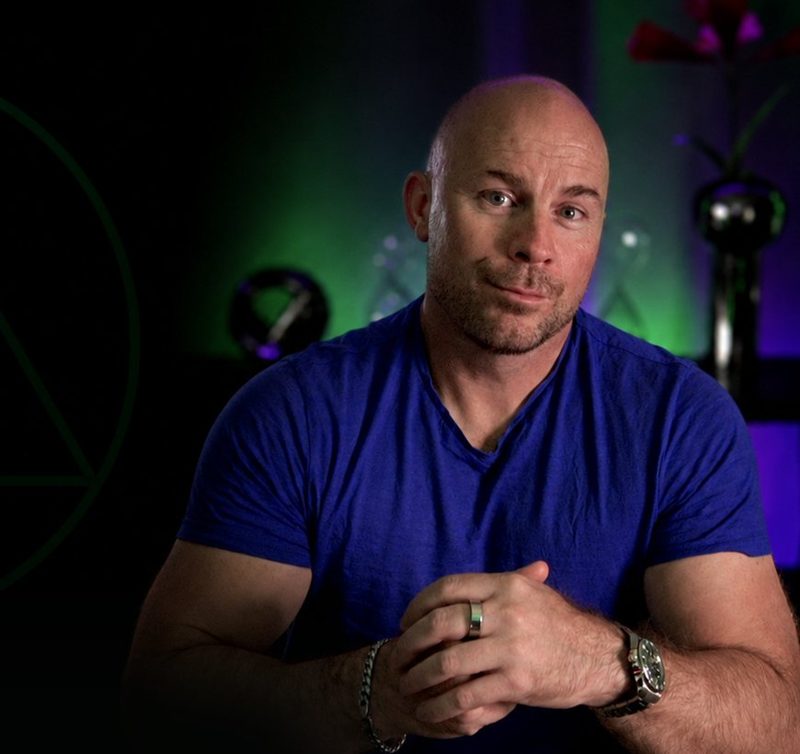
If you’ve tried to talk yourself out of this fear and it hasn’t worked, that isn’t a lack of willpower. A phobia is an alarm your mind learned, and logic alone rarely switches it off.
When a fear is less common, it can be harder to explain, so you may not have told many people about it. I work one to one over Zoom with people whose fears are holding them back, including rarer ones like this, and every plan starts with understanding what your fear is really about.
I’ve spent 17 years in clinical practice and helped more than 1,000 people with phobias. I hold a Postgraduate Certificate and a Postgraduate Diploma in Clinical Hypnotherapy, both with Distinction, and journalists and clients call me the Phobia Guru.
Common questions
Is it normal to worry about every new mark on my skin?
Noticing changes is sensible, and a GP can check anything new, changing or worrying. When the checking takes up a lot of time or the worry returns straight after reassurance, it may be more about anxiety than the skin itself. That pattern is common in health anxiety.
How can you help?
I use hypnotherapy and NLP to change how your mind responds to the thing you fear, so the old alarm stops going off. Sessions are one to one over Zoom, and you get a recording of the hypnosis to listen to afterwards.
How many sessions will I need?
Many clients notice a real difference after one 90 minute session. If the fear goes back a long way, three sessions gives us room to make the change stick.
Further reading: What is health anxiety? Oxford Health NHS Foundation Trust
Ready to start?
A short call is the simplest next step. We’ll talk about your fear, what you’d like to feel instead, and whether I’m the right person to help.
- Take the free test at the top of this page to see how strong your fear is.
- Book a 30 minute call. Use code PHOBIA at checkout for half price: £24.50 instead of £49 ($29.50 outside the UK).
- Start your sessions over Zoom from wherever you live, or face to face in Hertfordshire.
See all session options and prices