
Fear of slime (myxophobia)
En español: lee sobre este miedo en Fobias.org.
Myxophobia is a fear of slime. It can be set off by slugs and snails, by slimy food textures, or by the kind of slime children play with. Gardening, cooking and even helping with crafts can become something to avoid.
Many people find that with the right help, slugs, snails and slimy textures become things they can shrug off.
Use code PHOBIA at checkout for half price: £24.50 instead of £49. Outside the UK? $29.50.
About this phobia
The word is linked to the Greek myxa, meaning mucus or slime. It is rarely reported and mainly appears on lists of phobias. Strong reactions to slime often have as much to do with disgust as with fear.
How it shows up
Most people find a slug on their hand a bit unpleasant and wipe it off without much thought. For someone with myxophobia, the thought alone can make them feel sick, and they may go to great lengths to avoid anything wet and sticky, from garden paths after rain to certain foods. The reaction is often more about disgust than danger, which can make it hard to explain to others who see it as harmless. Children’s slime toys, slimy foods and even wet leaves underfoot can all set it off.
Common triggers
- Slugs and snails
- Children’s play slime
- Slimy foods such as okra or raw egg white
- Mucus and runny noses
- Wet, rotting leaves
- Frogspawn and pond weed
Where it shows up
- Gardens after rain
- Kitchens when preparing food
- Classrooms and nurseries
- Ponds, rivers and beaches
- Caring for a sick child or relative
Symptoms
In your body
- Gagging or feeling sick
- Shudders
- Skin crawling
- Pulling hands away sharply
In your mind
- Overwhelming disgust
- Thinking the feeling will never wash off
- Dread before messy tasks
What you might do
- Wearing gloves for most tasks
- Avoiding gardening or certain foods
- Refusing to touch children’s toys
- Washing hands many times
What may cause it
There is little research on fear of slime itself, but disgust is known to play a big role in many fears of animals and textures. Disgust may have helped people avoid germs and spoiled food, and in some it seems to be turned up too high. A childhood experience, such as stepping on a slug barefoot, can be a starting point. Avoiding the feeling means it never gets the chance to fade.
How it can affect your life
It can get in the way of gardening, cooking and caring for children, especially at ages when messy play is part of every day. Some parents feel guilty when they cannot join in with slime making or pond dipping. Wiping noses and caring for a poorly relative can also be harder than it needs to be.
Related fears
- Fear of slugs and snails
- Fear of dirt and germs (mysophobia)
- Fear of certain food textures
- Fear of mucus
Things that can help day to day
- Use gloves at first for jobs like gardening, then try short spells without them
- Touch something slightly sticky, such as wet clay or dough, and wait for the disgust to fade
- Remind yourself that disgust usually drops if you stay with it a little longer than feels comfortable
- Wash your hands once with soap, then move straight on to something else
When to get help
If washing or avoiding is taking up a lot of your time or affecting caring duties, a GP can talk through support.
Explore more unusual fears in the rare phobias A to Z, or browse the common phobias.
About me
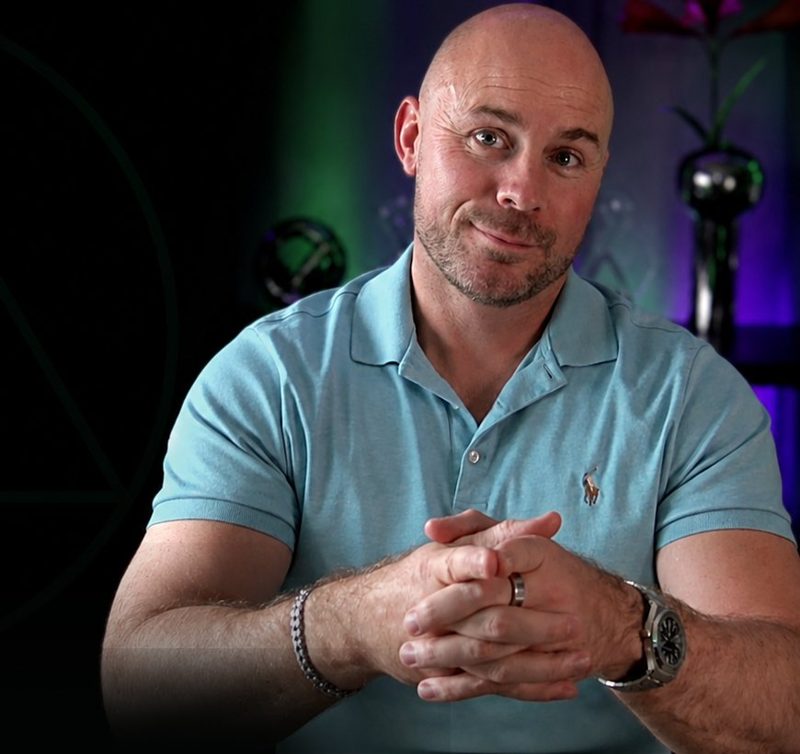
If you’ve tried to talk yourself out of this fear and it hasn’t worked, that isn’t a lack of willpower. A phobia is an alarm your mind learned, and logic alone rarely switches it off.
When a fear is less common, it can be harder to explain, so you may not have told many people about it. I work one to one over Zoom with people whose fears are holding them back, including rarer ones like this, and every plan starts with understanding what your fear is really about.
I’ve spent 17 years in clinical practice and helped more than 1,000 people with phobias. I hold a Postgraduate Certificate and a Postgraduate Diploma in Clinical Hypnotherapy, both with Distinction, and journalists and clients call me the Phobia Guru.
Common questions
Is a fear of slime really about disgust?
Often, yes. Many people find slime disgusting rather than dangerous, and disgust can produce reactions as strong as fear. Whatever the mix, it matters if it gets in the way of everyday life.
How can you help?
I use hypnotherapy and NLP to change how your mind responds to the thing you fear, so the old alarm stops going off. Sessions are one to one over Zoom, and you get a recording of the hypnosis to listen to afterwards.
How many sessions will I need?
Many clients notice a real difference after one 90 minute session. If the fear goes back a long way, three sessions gives us room to make the change stick.
Further reading: NHS: Phobias · Mind: About phobias
Ready to start?
A short call is the simplest next step. We’ll talk about your fear, what you’d like to feel instead, and whether I’m the right person to help.
- Take the free test at the top of this page to see how strong your fear is.
- Book a 30 minute call. Use code PHOBIA at checkout for half price: £24.50 instead of £49 ($29.50 outside the UK).
- Start your sessions over Zoom from wherever you live, or face to face in Hertfordshire.
See all session options and prices