
Fear of small spaces (claustrophobia)
En español: lee sobre este miedo en Fobias.org.
Lifts, tunnels, MRI scanners, the middle seat on a plane. Claustrophobia is about feeling trapped, with no easy way out.
Many people find that with the right help, a lift, a tunnel or an MRI scan becomes something they can get through calmly.
Use code PHOBIA at checkout for half price: £24.50 instead of £49. Outside the UK? $29.50.
Understanding this fear
Claustrophobia is a strong fear of being in tight, enclosed or packed spaces where you feel you cannot get out easily. Most people find a crammed train or a tiny room a bit uncomfortable, but with claustrophobia the body reacts as if it is in real danger, often with full panic. Some people feel the anxiety simply by thinking about a confined space, long before they are in one. It ranges from mild unease to severe panic attacks.
The NHS estimates that around one in ten people in the UK will be affected by claustrophobia at some point in their lives, making it one of the more common phobias. It often begins in childhood or the teenage years. For some it is mainly about being shut in, for others it is about the air running out or being squeezed by crowds. It often overlaps with fears of lifts, flying, or being stuck somewhere away from help.
Common triggers
- Doors being closed or locked behind you
- Rooms with no windows
- Crowds pressing close around you
- Being asked to keep still in a small space
- Windows that are sealed shut
- Queues where you cannot step out
- Tight clothing around the neck or chest
- Low ceilings and narrow corridors
- Simply imagining being trapped
Where it shows up
- MRI and CT scanners
- Lifts and tube trains
- Tunnels and underground walkways
- Aeroplanes and small cars
- Public toilet cubicles
- Shop changing rooms
- Car washes and revolving doors
- Hotel rooms with sealed windows
Symptoms
In your body
- Sweating and hot flushes or chills
- Breathlessness or a choking feeling
- Racing heart and tight chest
- Shaking and trembling
- Dizziness or feeling faint
- Nausea or a sudden need for the toilet
- Dry mouth and pins and needles
In your mind
- The walls are closing in
- I am going to run out of air
- I will lose control or faint in here
- Feeling detached from your own body
- Fear of dying, even though part of you knows you are safe
- An overwhelming need to get out
What you might do
- Always checking where the exits are
- Sitting near doors in cinemas, meetings or restaurants
- Leaving doors open, even in toilets
- Taking the stairs instead of the lift
- Avoiding rush hour or the underground
- Putting off medical scans
What causes it
The NHS links claustrophobia to frightening experiences, often in early childhood, such as being shut in a small space, being bullied, or growing up with a parent who has the same fear. Later events can spark it too, such as getting stuck in a train tunnel or a rough flight. Children can learn it simply by watching an adult panic in confined spaces. Researchers think the amygdala, the part of the brain that handles fear, may be involved, and people with a larger sense of personal space seem more likely to feel hemmed in when others come close. Once the fear is there, avoiding small spaces and always escaping early keeps it alive, because the brain never learns that the space was safe.
How it can affect your life
Claustrophobia can quietly limit daily life. People may avoid the underground and spend hours on longer routes, turn down flights or holidays, or struggle in small offices and meeting rooms. One of the most serious effects is on health care, as some people delay or avoid MRI scans and other tests they need. It can also be tiring and embarrassing to keep explaining why you need the aisle seat or the door left open.
Things that can help day to day
- Practise slow breathing, counting each breath in and out, so it is there when you need it
- If panic hits, stay where you are if it is safe and remind yourself the feelings will pass
- Fix your attention on something calm and steady you can see, such as a clock or your watch
- Try not to fight the feelings, as letting them be often helps them settle faster
- Build up time in mildly enclosed spaces in small, gradual steps
When to get help
It is worth getting help if claustrophobia is stopping you travelling, working or having medical tests you need. If you have a scan coming up, tell the hospital about your fear well in advance, as they may be able to support you or talk you through options. Your GP is a sensible place to start if anxiety is affecting your daily life, and in England you can also refer yourself to NHS talking therapies.
How hypnosis can help with claustrophobia
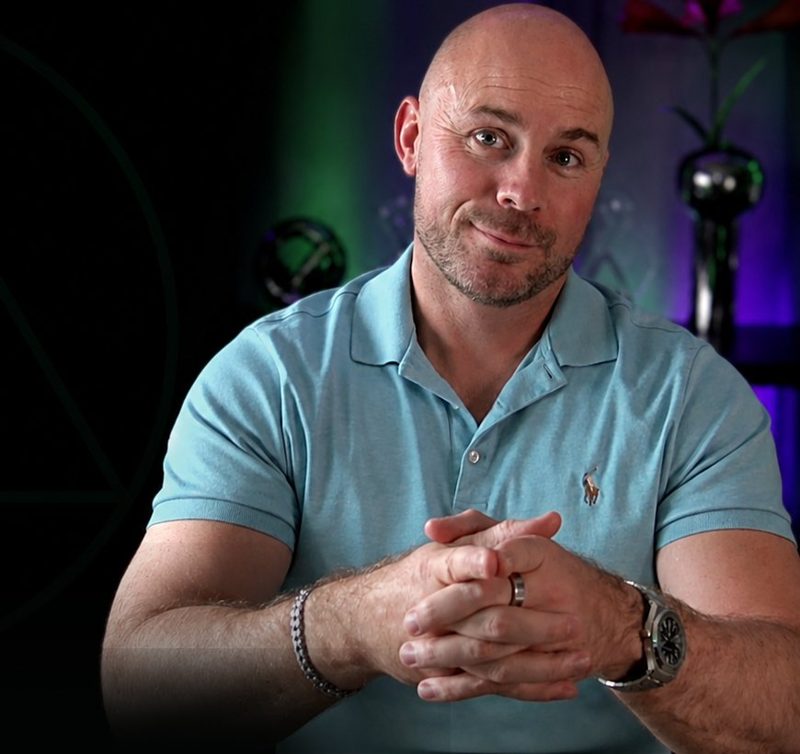
If you’ve tried to talk yourself out of this fear and it hasn’t worked, that isn’t a lack of willpower. A phobia is an alarm your mind learned, and logic alone rarely switches it off.
When I work with claustrophobia, I first look at which part of being enclosed frightens you most, because being shut in, running out of air and being squeezed by crowds are quite different worries. In our sessions over Zoom, I use hypnotherapy to help you reach a deep sense of calm and then rehearse being in the spaces you dread, such as a scanner or a packed train, until your mind starts to treat them as ordinary. NLP techniques can help defuse an old memory that set the fear off in the first place. Many clients find that once the automatic panic response settles, small spaces start to feel manageable again.
I’ve spent 17 years in clinical practice and helped more than 1,000 people with phobias. I hold a Postgraduate Certificate and a Postgraduate Diploma in Clinical Hypnotherapy, both with Distinction.
Common questions
How can I cope with an MRI scan if I am claustrophobic?
Tell the hospital about your fear before your appointment so staff can support you, and talk to your consultant well in advance about what might help. Some areas have open or upright scanners, though these are often private. Practising calm breathing and rehearsing the scan in your mind beforehand can also help.
Can claustrophobia start in adulthood?
Yes. It often begins in childhood or the teenage years, but an upsetting event later on, such as being stuck in a train tunnel or a rough flight, can start it at any age.
Is claustrophobia the same as panic disorder?
No. Claustrophobia is a specific phobia, although it can cause panic attacks in the situations you fear. Panic disorder involves repeated panic attacks that can seem to come out of the blue.
Where does it come from?
Often a childhood moment of being stuck or shut in somewhere, or a panic attack in a confined space.
How do sessions work?
I use hypnotherapy and NLP to change how your mind responds to small spaces. Sessions are one to one over Zoom, and you get a recording of the hypnosis to listen to afterwards.
How many sessions will I need?
Many clients notice a real difference after one 90 minute session. If the fear goes back a long way, three sessions gives us room to make the change stick.
I have an MRI scan coming up. Can you help?
Yes, it’s a common reason people come to me. Let me know the date so we can plan around it, and tell the radiographer you’re nervous too.
Further reading: NHS: Claustrophobia · Healthline: Claustrophobia
Ready to start?
A short call is the simplest next step. We’ll talk about your fear, what you’d like to feel instead, and whether I’m the right person to help.
- Take the free test at the top of this page to see how strong your fear is.
- Book a 30 minute call. Use code PHOBIA at checkout for half price: £24.50 instead of £49 ($29.50 outside the UK).
- Start your sessions over Zoom from wherever you live, or face to face in Hertfordshire.
See all session options and prices