
Fear of small things (microphobia)
Microphobia is a fear of small things. Depending on the person, that might mean tiny objects, small creatures, or things too small to see, such as germs. It can make tasks like sorting buttons, handling seeds or sweeping up crumbs feel uncomfortable.
Many people find that with the right help, tiny objects and small creatures stop pulling at their attention.
Use code PHOBIA at checkout for half price: £24.50 instead of £49. Outside the UK? $29.50.
About this phobia
The word comes from the Greek mikros, meaning small. It shows up mainly on lists of phobias, and the meaning varies from list to list. When the worry is about germs, it overlaps with mysophobia, a better-known fear of dirt and contamination.
How it shows up
Microphobia means different things to different people, which is part of what makes it hard to pin down. One person may feel uneasy at clusters of tiny objects like seeds or beads, another may fear small animals, and another may worry about germs and bacteria. What links them is a feeling that something small could cause harm or get somewhere it should not. Ordinary tidiness or squeamishness rarely leads to the level of avoidance and distress seen with this fear.
Common triggers
- Tiny objects such as pins, beads and seeds
- Small insects or creatures
- Talk of germs, bacteria or viruses
- Crumbs, dust or specks on surfaces
- Close-up photos of tiny things
- Swallowing small tablets or pips
Where it shows up
- Kitchens and dining tables
- Craft rooms and sewing boxes
- Gardens and allotments
- Bathrooms and public toilets
- Science lessons and hospitals
Symptoms
In your body
- Skin crawling or itching
- Shivers or goosebumps
- Feeling sick
- Faster breathing
In your mind
- Worry that something tiny will get into the body
- Feeling things are out of control
- Disgust that is hard to shake off
What you might do
- Cleaning surfaces over and over
- Avoiding crafts, gardening or cooking
- Checking food closely before eating
- Wearing gloves for everyday tasks
What may cause it
Because the term covers so many things, there is no single known cause. When the fear is about germs, it often grows out of the same patterns as a wider fear of contamination, where a worry leads to cleaning that briefly calms things down. When it is about tiny objects, it may come from an early experience such as choking or a small creature in food. Disgust can play a big part, and disgust tends to fade more slowly than fear.
How it can affect your life
Simple jobs like baking, sorting a drawer or helping a child with crafts can become hard work. When the worry is about germs, cleaning can take up a lot of time and leave hands sore.
Related fears
- Fear of germs and dirt (mysophobia)
- Fear of insects (entomophobia)
- Fear of clusters of small holes (trypophobia)
- Fear of choking (pseudodysphagia)
Things that can help day to day
- Work out exactly which small things trouble you, as the answer shapes what helps
- Try handling a few large beads, then smaller ones, at your own pace
- Set a reasonable limit on cleaning and stick to it
- Practise calm breathing while you sit with a mild trigger for a minute or two
When to get help
If cleaning or checking is taking up much of your day, or the worry about germs feels impossible to resist, speak to a GP, as these patterns respond well to support.
Explore more unusual fears in the rare phobias A to Z, or browse the common phobias.
About me
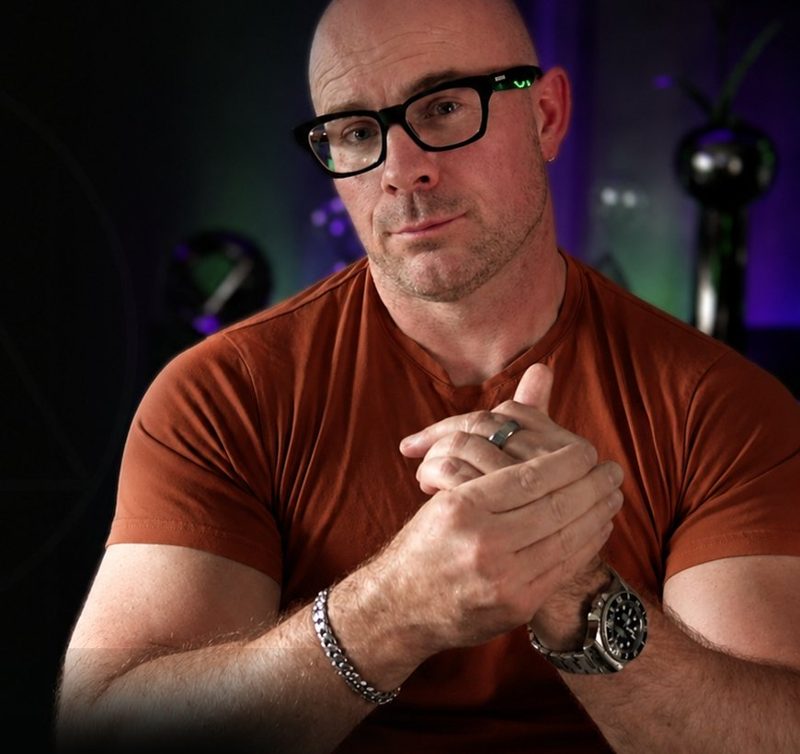
If you’ve tried to talk yourself out of this fear and it hasn’t worked, that isn’t a lack of willpower. A phobia is an alarm your mind learned, and logic alone rarely switches it off.
When a fear is less common, it can be harder to explain, so you may not have told many people about it. I work one to one over Zoom with people whose fears are holding them back, including rarer ones like this, and every plan starts with understanding what your fear is really about.
I’ve spent 17 years in clinical practice and helped more than 1,000 people with phobias. I hold a Postgraduate Certificate and a Postgraduate Diploma in Clinical Hypnotherapy, both with Distinction, and journalists and clients call me the Phobia Guru.
Common questions
Is microphobia the same as a fear of germs?
Sometimes, but not always. Some people use the word for a fear of microscopic things like germs, while others mean small objects or creatures they can see. The best description is the one that matches what actually sets off your own anxiety.
How can you help?
I use hypnotherapy and NLP to change how your mind responds to the thing you fear, so the old alarm stops going off. Sessions are one to one over Zoom, and you get a recording of the hypnosis to listen to afterwards.
How many sessions will I need?
Many clients notice a real difference after one 90 minute session. If the fear goes back a long way, three sessions gives us room to make the change stick.
Further reading: Microphobia (Fear of Small Things)
Ready to start?
A short call is the simplest next step. We’ll talk about your fear, what you’d like to feel instead, and whether I’m the right person to help.
- Take the free test at the top of this page to see how strong your fear is.
- Book a 30 minute call. Use code PHOBIA at checkout for half price: £24.50 instead of £49 ($29.50 outside the UK).
- Start your sessions over Zoom from wherever you live, or face to face in Hertfordshire.
See all session options and prices