
Fear of speaking (laliophobia)
En español: lee sobre este miedo en Fobias.org.
Laliophobia is a fear of speaking. It may show up as staying quiet in meetings, avoiding phone calls, or feeling the throat tighten when asked a direct question. For some people it is tied to a stammer or to worry about how their voice sounds.
Many people find that with the right help, they can speak up in a meeting or on the phone and say what they mean.
Use code PHOBIA at checkout for half price: £24.50 instead of £49. Outside the UK? $29.50.
About this phobia
Also written lalophobia, the term is linked to the Greek lalia, meaning speech or chatter. It is rarely used clinically and appears mostly on phobia lists. It overlaps with glossophobia, the far better known fear of public speaking, and with social anxiety.
How it shows up
Most people feel a flutter of nerves before speaking up in a big meeting. With laliophobia the fear can reach into ordinary moments, like ordering a coffee, answering the phone or saying your name in a room. The person may rehearse sentences, swap words they struggle with, or let others speak for them. It is not the same as shyness, as the fear can be there even with friends or family.
Common triggers
- Being asked a question without warning
- Phone calls, especially with strangers
- Introducing yourself in a group
- Words or sounds that have caused trouble before
- Being recorded or on video calls
- Silence after someone stops talking
- Taking a register or roll call
Where it shows up
- Work meetings and interviews
- Shops, cafes and drive-throughs
- Classrooms and lectures
- Medical and other appointments
- Parties and family gatherings
- Online video meetings
Symptoms
In your body
- Tight throat or jaw
- Dry mouth
- Blushing
- Shaky voice
- Fast heartbeat
In your mind
- Fear of stumbling over words
- Worry about how the voice sounds
- Mind going blank
- Expecting to be laughed at
What you might do
- Texting or emailing instead of calling
- Nodding or pointing rather than speaking
- Rehearsing lines in advance
- Swapping difficult words for easier ones
What may cause it
There is little research on laliophobia as a term, but fears about speaking are well studied under social anxiety and the fear of public speaking. Teasing about a stammer, an accent or a voice, or a moment of freezing in front of others, can leave a lasting fear of it happening again. Speaking anxiety and stammering can also feed each other. Staying quiet brings relief but stops the person finding out they can cope.
How it can affect your life
The fear can hold people back at work, in education and in friendships, as they keep quiet when they have something to say. Simple tasks like booking an appointment by phone may take a lot of courage. Over time, keeping quiet can lead others to underestimate what the person knows or can offer.
Related fears
- Fear of public speaking (glossophobia)
- Social anxiety
- Fear of using the phone (telephonophobia)
Things that can help day to day
- Start with short, low-stakes chats, such as thanking a shop assistant
- Slow your breathing and your speech a little
- Write down one key point before a meeting rather than a full script
- Notice what went well after each conversation
When to get help
If you have a stammer, your GP can refer you to speech and language therapy. If the fear itself is holding you back, a therapist who works with social anxiety can help.
Explore more unusual fears in the rare phobias A to Z, or browse the common phobias.
About me
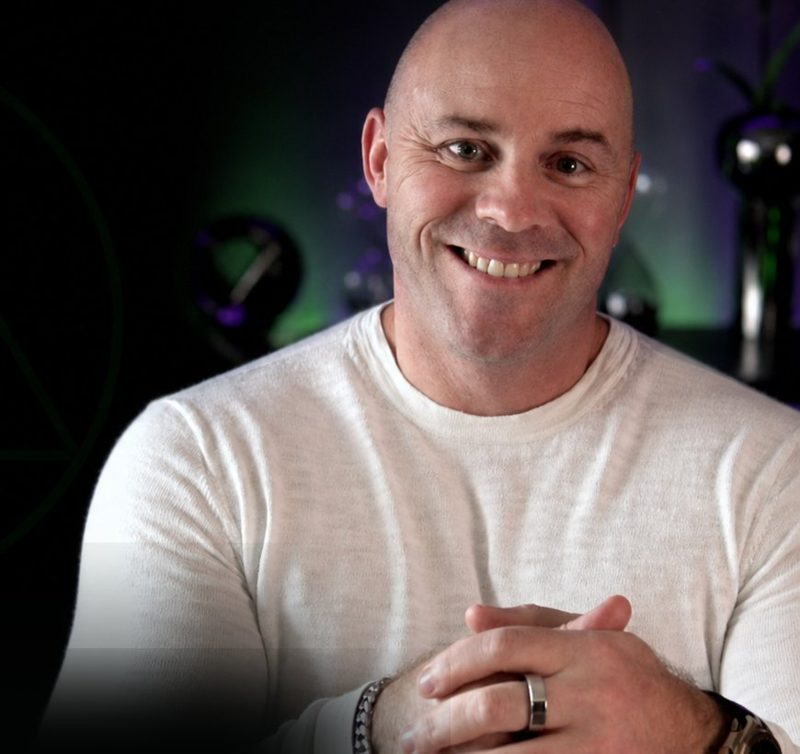
If you’ve tried to talk yourself out of this fear and it hasn’t worked, that isn’t a lack of willpower. A phobia is an alarm your mind learned, and logic alone rarely switches it off.
When a fear is less common, it can be harder to explain, so you may not have told many people about it. I work one to one over Zoom with people whose fears are holding them back, including rarer ones like this, and every plan starts with understanding what your fear is really about.
I’ve spent 17 years in clinical practice and helped more than 1,000 people with phobias. I hold a Postgraduate Certificate and a Postgraduate Diploma in Clinical Hypnotherapy, both with Distinction, and journalists and clients call me the Phobia Guru.
Common questions
Is laliophobia the same as a fear of public speaking?
They are related but not identical. Fear of public speaking, or glossophobia, is about talking to an audience, while laliophobia can affect everyday speech, even one to one. Where a stammer is part of the picture, a speech and language therapist can help.
How can you help?
I use hypnotherapy and NLP to change how your mind responds to the thing you fear, so the old alarm stops going off. Sessions are one to one over Zoom, and you get a recording of the hypnosis to listen to afterwards.
How many sessions will I need?
Many clients notice a real difference after one 90 minute session. If the fear goes back a long way, three sessions gives us room to make the change stick.
Further reading: Lalophobia (Psychology Wiki)
Ready to start?
A short call is the simplest next step. We’ll talk about your fear, what you’d like to feel instead, and whether I’m the right person to help.
- Take the free test at the top of this page to see how strong your fear is.
- Book a 30 minute call. Use code PHOBIA at checkout for half price: £24.50 instead of £49 ($29.50 outside the UK).
- Start your sessions over Zoom from wherever you live, or face to face in Hertfordshire.
See all session options and prices