
Fear of speed (tachophobia)
En español: lee sobre este miedo en Fobias.org.
Tachophobia is a fear of speed, whether travelling fast yourself or watching things move quickly. It might mean feeling panicky on motorways, avoiding fast trains or fairground rides, or asking a driver again and again to slow down.
Many people find that with the right help, a fast train, a motorway or a fairground ride feels steady and manageable.
Use code PHOBIA at checkout for half price: £24.50 instead of £49. Outside the UK? $29.50.
About this phobia
The name comes from the Greek tachos, meaning speed, the same root seen in words such as tachometer. It is an uncommon term found mostly on phobia lists, though fear of fast travel often overlaps with better-known fears such as fear of driving, fear of flying or fear of losing control.
How it shows up
Plenty of people feel a flutter when a train picks up pace or a car overtakes on a fast road. With tachophobia that flutter becomes alarm, and the body reacts as if a crash is about to happen even when the vehicle is moving safely. For some the fear is mainly about being a passenger and not in control, while others feel it most behind the wheel. It differs from simple caution because the worry stays switched on long after any danger has passed and starts to limit where and how a person travels.
Common triggers
- Joining a motorway or dual carriageway
- Riding with a fast driver
- High-speed trains pulling away
- Rollercoasters and fairground rides
- Planes speeding down the runway
- Watching motor racing or fast footage
- Cycling downhill
Where it shows up
- Motorways and fast A roads
- Train trips
- Theme parks
- Airports at take-off
- Steep hills on a bike or on foot
Symptoms
In your body
- Gripping seats or handles tightly
- Fast heartbeat and shallow breathing
- Dizziness or a floating feeling
- Sweaty palms
- Tense jaw and shoulders
In your mind
- Picturing a crash or derailment
- Feeling that things are out of control
- Fixating on the speedometer or passing scenery
- Worrying for days before a trip
What you might do
- Choosing slow routes or avoiding motorways
- Asking drivers again and again to slow down
- Refusing rides at theme parks
- Avoiding travel where possible
What may cause it
There is almost no research on tachophobia as a named fear, but it shares a lot with fear of driving, fear of flying and panic. A road accident, a near miss or a frightening ride can leave the brain linking speed with danger. Some people are also sensitive to the rushing, dizzy feelings that speed brings, and then read those feelings as a sign of threat. Both avoiding travel and gritting your teeth through it without any support can keep the fear going.
How it can affect your life
The fear can make commuting, holidays and visits to family slower and more stressful, and it may cause friction with partners or friends who drive. Some people turn down jobs or trips purely because of the travel involved.
Related fears
- Fear of driving (amaxophobia)
- Fear of flying (aerophobia)
- Fear of motor vehicles (motorphobia)
- Fear of losing control
Things that can help day to day
- Practise slow breathing before and during travel
- Sit where you can see the road ahead if that feels calmer
- Start with short, familiar trips as a passenger
- Keep a note of trips that went fine
When to get help
If the fear stops you travelling for work or family, or you feel panicky on most trips, speak to your GP or a qualified therapist. If you drive and feel unsafe at the wheel, pull over somewhere safe and get advice before driving again.
Explore more unusual fears in the rare phobias A to Z, or browse the common phobias.
About me
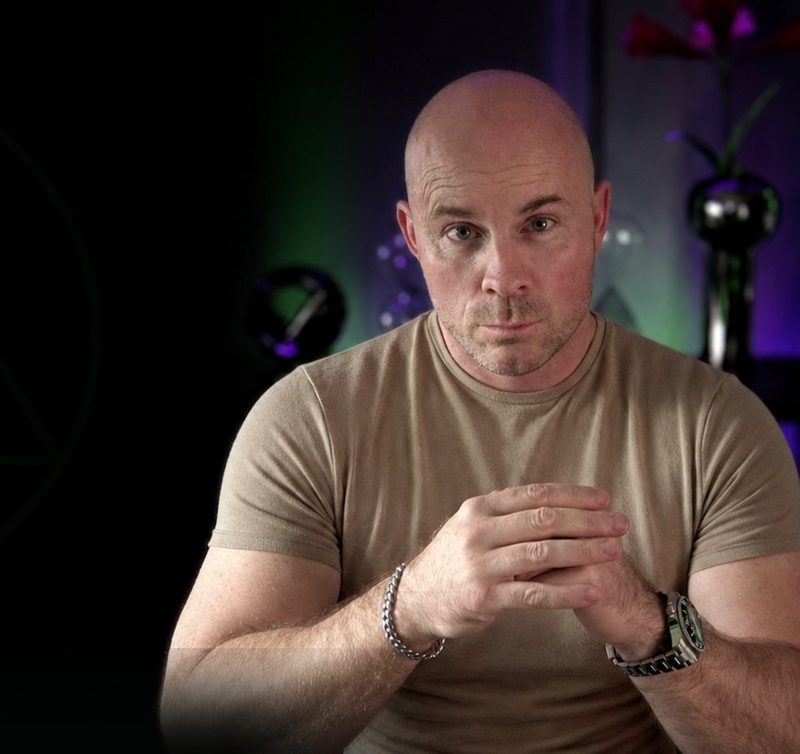
If you’ve tried to talk yourself out of this fear and it hasn’t worked, that isn’t a lack of willpower. A phobia is an alarm your mind learned, and logic alone rarely switches it off.
When a fear is less common, it can be harder to explain, so you may not have told many people about it. I work one to one over Zoom with people whose fears are holding them back, including rarer ones like this, and every plan starts with understanding what your fear is really about.
I’ve spent 17 years in clinical practice and helped more than 1,000 people with phobias. I hold a Postgraduate Certificate and a Postgraduate Diploma in Clinical Hypnotherapy, both with Distinction, and journalists and clients call me the Phobia Guru.
Common questions
Why do I panic when a car goes fast?
Speed can trigger a sense of losing control, especially if you are not the one in charge of the vehicle. For some people it links back to a near miss or accident, while for others it grows out of general anxiety. Noticing exactly what feels threatening is a useful first step.
How can you help?
I use hypnotherapy and NLP to change how your mind responds to the thing you fear, so the old alarm stops going off. Sessions are one to one over Zoom, and you get a recording of the hypnosis to listen to afterwards.
How many sessions will I need?
Many clients notice a real difference after one 90 minute session. If the fear goes back a long way, three sessions gives us room to make the change stick.
Further reading: Cleveland Clinic: Tachophobia (fear of speed) · Cleveland Clinic: Amaxophobia (fear of driving) · NHS: Phobias
Ready to start?
A short call is the simplest next step. We’ll talk about your fear, what you’d like to feel instead, and whether I’m the right person to help.
- Take the free test at the top of this page to see how strong your fear is.
- Book a 30 minute call. Use code PHOBIA at checkout for half price: £24.50 instead of £49 ($29.50 outside the UK).
- Start your sessions over Zoom from wherever you live, or face to face in Hertfordshire.
See all session options and prices