
Fear of spirits (pneumatiphobia)
Dark rooms, old buildings and being alone at night can feel frightening for someone with pneumatiphobia, a fear of spirits or unseen presences. Some people notice it after a bereavement, others after a scary film or story. It can make sleep and time alone at home harder than it needs to be.
Many people find that with the right help, dark rooms and nights alone feel calm and safe again.
Use code PHOBIA at checkout for half price: £24.50 instead of £49. Outside the UK? $29.50.
About this phobia
The name comes from the Greek pneuma, meaning breath or spirit. It is rarely reported and appears mostly on phobia lists. It is close to phasmophobia, the fear of ghosts, and spectrophobia, which is listed as a fear of ghosts or of mirrors.
How it shows up
Pneumatiphobia can make an ordinary house feel full of possibilities after dark. Creaking stairs, a cold draught or a shadow at the edge of vision can bring a rush of fear that something unseen is in the room. Many people enjoy a ghost story or feel a shiver in an old building, which is quite different from lying awake every night listening. Beliefs about spirits vary widely, and the fear can affect people with or without religious views.
Common triggers
- Dark rooms
- Noises with no clear cause
- Old buildings
- Ghost stories and horror films
- Being alone at night
- Reminders of someone who has died
- Talk of hauntings
Where it shows up
- Bedrooms at night
- Empty houses
- Historic houses and castles
- Churches
- Hotel rooms
- Staying in someone else’s house
Symptoms
In your body
- Goosebumps
- Racing heart
- Trouble sleeping
- Feeling cold
- Jumping at small sounds
In your mind
- A sense of being watched
- Imagining a presence in the room
- Dread as night falls
- Racing thoughts when trying to sleep
What you might do
- Sleeping with the lights on
- Avoiding being alone
- Checking rooms before settling
- Steering clear of scary films
What may cause it
There is little research on this fear by itself, but fear of the unseen is very common, especially in the dark. Grief, stress or poor sleep can make the mind more alert to noises and shadows, and tired brains are quicker to see faces and shapes. Stories and films may plant images that come back at night. Checking and avoidance can keep the fear going, as each check briefly calms the worry and then teaches the mind to need it again.
How it can affect your life
The fear can disrupt sleep and make time alone at home stressful. It may also make it hard to stay in hotels, old houses or with friends, and some people dread nights when a partner is away. Some people feel embarrassed and keep it to themselves, which can make it feel bigger.
Related fears
- Fear of ghosts (phasmophobia)
- Fear of the dark (nyctophobia)
- Fear of being alone (monophobia)
- Fear of demons (daemonophobia)
Things that can help day to day
- Use a soft night light rather than switching on every light
- Get to know the normal creaks and hums your home makes
- Avoid scary films and stories in the hour before bed
- Keep a calm, regular bedtime routine and a set wake time
When to get help
If fear is affecting your sleep, or it began after a loss, your GP can help you find support. Bereavement services can help too if grief is part of the picture.
Explore more unusual fears in the rare phobias A to Z, or browse the common phobias.
About me
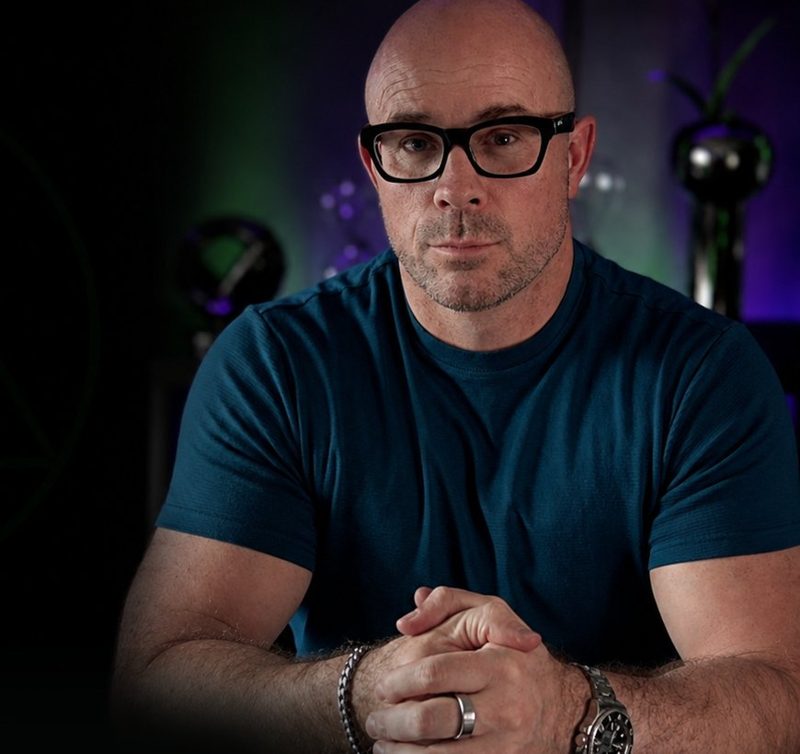
If you’ve tried to talk yourself out of this fear and it hasn’t worked, that isn’t a lack of willpower. A phobia is an alarm your mind learned, and logic alone rarely switches it off.
When a fear is less common, it can be harder to explain, so you may not have told many people about it. I work one to one over Zoom with people whose fears are holding them back, including rarer ones like this, and every plan starts with understanding what your fear is really about.
I’ve spent 17 years in clinical practice and helped more than 1,000 people with phobias. I hold a Postgraduate Certificate and a Postgraduate Diploma in Clinical Hypnotherapy, both with Distinction, and journalists and clients call me the Phobia Guru.
Common questions
Why do some people feel spirits more after losing someone?
After a loss, it is common to sense the person nearby or to feel more alert at night. For some this is comforting, while for others it brings fear. Bereavement support services can help if grief and fear are mixed together.
How can you help?
I use hypnotherapy and NLP to change how your mind responds to the thing you fear, so the old alarm stops going off. Sessions are one to one over Zoom, and you get a recording of the hypnosis to listen to afterwards.
How many sessions will I need?
Many clients notice a real difference after one 90 minute session. If the fear goes back a long way, three sessions gives us room to make the change stick.
Further reading: Healthline: Phasmophobia (fear of ghosts) · Medical News Today: Phasmophobia · NHS: Phobias
Ready to start?
A short call is the simplest next step. We’ll talk about your fear, what you’d like to feel instead, and whether I’m the right person to help.
- Take the free test at the top of this page to see how strong your fear is.
- Book a 30 minute call. Use code PHOBIA at checkout for half price: £24.50 instead of £49 ($29.50 outside the UK).
- Start your sessions over Zoom from wherever you live, or face to face in Hertfordshire.
See all session options and prices