
Fear of stairs and steep slopes (bathmophobia)
En español: lee sobre este miedo en Fobias.org.
A fear of stairs and steep slopes can show up on staircases, escalators, hills and hillside paths. It can make everyday places feel hard to get around, and it can be helped.
Many people find that with the right help, staircases, escalators and hillside paths become easier to manage, so getting around stops being something to plan.
Use code PHOBIA at checkout for half price: £24.50 instead of £49. Outside the UK? $29.50.
Understanding this fear
Bathmophobia is an intense fear of stairs and steep slopes. It goes well beyond taking care on a slippery step. The sight of a long staircase or a sharp drop in a hill path can set off real panic, even when you know the steps are solid and dry. Many people with this fear find that heading down is far worse than climbing up.
It is not listed as a separate diagnosis, but it fits the wider group of specific phobias, which some US estimates suggest around one in ten adults will have at some point. Nobody knows exactly how many people have this particular fear. It often sits close to a fear of heights, a fear of falling and a fear of dizziness when looking down, and some people also feel panic only while climbing, which is sometimes called climacophobia.
Common triggers
- Looking down a long or steep staircase
- Open stairs where you can see through the gaps
- Spiral or narrow steps with no handrail
- Escalators, especially going down
- Wet, icy or worn steps
- Steep hills, banks and grassy slopes
- Being rushed by people behind you on stairs
- Carrying bags or a child while on steps
Where it shows up
- Train and Underground stations
- Multi-storey car parks and stairwells
- Shopping centres with escalators
- Old buildings, castles and church towers
- Theatre and stadium seating
- Coastal paths and hillside walks
- Friends’ homes with steep or open staircases
Symptoms
In your body
- Racing or pounding heart at the top of the stairs
- Legs that feel weak, wobbly or frozen
- Dizziness or a pulling feeling when looking down
- Sweating palms and gripping the rail hard
- Shortness of breath or tight chest
- Nausea or a churning stomach
- Trembling hands
In your mind
- I am going to slip and fall all the way down
- My legs will give way halfway
- Everyone will see me struggling
- A sense of being pulled towards the drop
- Dread for hours before a trip involving steps
What you might do
- Always looking for a lift or ramp
- Going down sideways, backwards or sitting down
- Holding the rail with both hands or holding on to someone
- Turning down jobs, homes or outings because of stairs
- Waiting until a staircase is empty before using it
- Checking venue layouts in advance
What causes it
For many people the fear goes back to a fall on stairs, or to seeing someone else hurt in one, sometimes so early in life that it is not even remembered. Frightening scenes on screen can plant the idea too. Our brains are wired to take drops seriously, so a staircase gives an alarm system that is already on edge something easy to latch on to. A family history of anxiety, or growing up around someone who was nervous on steps, can make it more likely. Once the fear is there, avoiding stairs or rushing to the lift brings quick relief, and that relief teaches the mind that stairs really were dangerous, so the fear tends to grow.
How it can affect your life
Stairs are everywhere, so this fear can quietly shrink your world. People turn down jobs on upper floors, miss out on visiting friends, skip school events or avoid stations and older buildings. It can cause embarrassment when others notice you holding back or going down slowly, and that can lead to staying home more. Over time, less walking and climbing can also leave you less steady, which feeds the worry about falling.
Things that can help day to day
- Slow your breathing before you start, with a longer out breath than in breath
- Always use the handrail and look a few steps ahead, not all the way down
- Practise on short, well lit, dry staircases you already trust
- Wear flat shoes with good grip and keep one hand free when you can
- Notice the catastrophic thought and remind yourself what has actually happened on the stairs you used today
When to get help
If you are avoiding places, turning down work or relying on others to get around, it is worth getting support. If you have real problems with balance, dizziness, your eyes or your legs, please see your GP first so any physical cause can be checked. A GP is also the right first step if anxiety is affecting your daily life.
How I can help
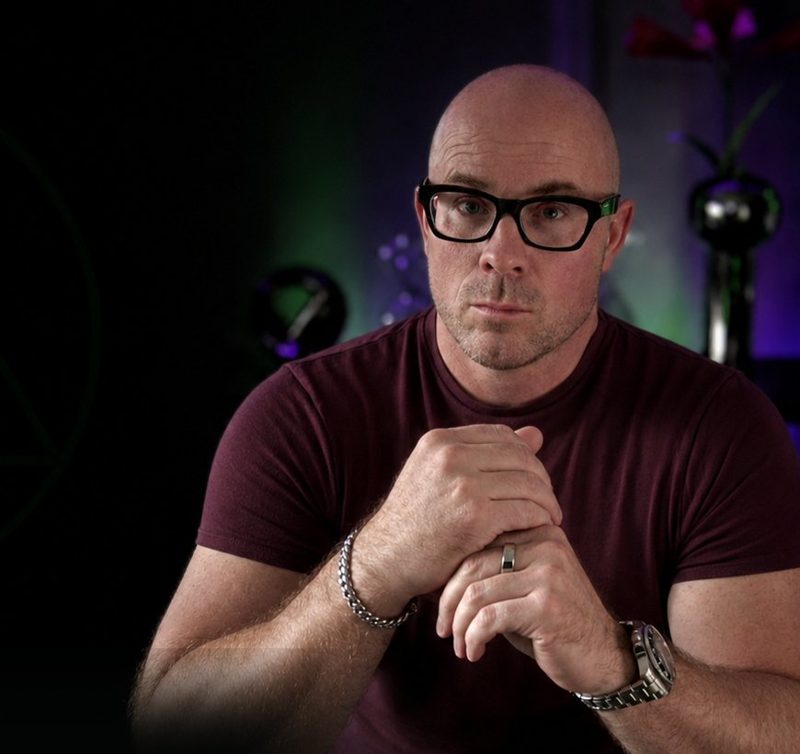
If you’ve tried to talk yourself out of this fear and it hasn’t worked, that isn’t a lack of willpower. A phobia is an alarm your mind learned, and logic alone rarely switches it off.
When I work with a fear of stairs over Zoom, I start by finding out exactly when the alarm goes off, whether that is the first glimpse down a staircase or the moment the step feels steep. Often there is an old memory or an imagined fall that the mind keeps replaying, and with hypnotherapy and NLP we can take the sting out of that picture. Then I help you rehearse going up and down stairs calmly in your mind, many times, with your feet steady and your hand on the rail. Many clients find that when they next face a real staircase, the body stays far quieter than it used to.
I’ve spent 17 years in clinical practice and helped more than 1,000 people with phobias. I hold a Postgraduate Certificate and a Postgraduate Diploma in Clinical Hypnotherapy, both with Distinction.
Common questions
Why is going down stairs scarier than going up?
Going down puts the drop right in front of your eyes, so your brain gets a clear view of where you could fall. That visual cue is a strong trigger for the alarm system. Many people with this fear cope with climbing but freeze at the top.
Is a fear of stairs the same as a fear of heights?
They overlap a lot, but they are not the same. Some people are fine on a balcony yet panic on an open staircase, because the fear is about slipping or tumbling rather than height itself. We would look at which part matters most for you.
Can a fear of stairs start in adulthood?
Yes. It can follow a fall, an injury, an operation, a scare on ice or even watching someone else fall. It can also creep in slowly after a spell of feeling unsteady.
Why do I fear going down more than up?
Going down is when many people feel most exposed to a fall, so the fear can be stronger. It varies from person to person, and we would look at your own pattern.
How can you help?
I use hypnotherapy and NLP to change how your mind responds to the thing you fear, so the old alarm stops going off. Sessions are one to one over Zoom, and you get a recording of the hypnosis to listen to afterwards.
How many sessions will I need?
Many clients notice a real difference after one 90 minute session. If the fear goes back a long way, three sessions gives us room to make the change stick.
Further reading: Cleveland Clinic: Bathmophobia (fear of stairs) · NHS: Phobias · Fox News: Hypnotherapy helps woman with fear of stairs
Ready to start?
A short call is the simplest next step. We’ll talk about your fear, what you’d like to feel instead, and whether I’m the right person to help.
- Take the free test at the top of this page to see how strong your fear is.
- Book a 30 minute call. Use code PHOBIA at checkout for half price: £24.50 instead of £49 ($29.50 outside the UK).
- Start your sessions over Zoom from wherever you live, or face to face in Hertfordshire.
See all session options and prices