
Fear of standing or walking (stasiphobia)
Stasiphobia is a fear of standing or walking. It often follows a fall, an injury or a spell of illness, and can lead someone to stay seated, hold on to furniture, or avoid going out. Any real dizziness, weakness or pain when standing should be checked by a GP, as there may be a physical cause.
Many people find that with the right help, and alongside advice from their doctor or physio, standing and walking feel steadier.
Use code PHOBIA at checkout for half price: £24.50 instead of £49. Outside the UK? $29.50.
About this phobia
The name comes from the Greek stasis, meaning standing. It is a rare term mostly found on lists, and it sits close to basophobia, the fear of walking or falling, with the two sometimes joined together. In older people, fear of falling is widely recognised and can limit daily life a great deal.
How it shows up
Someone with this fear may feel unsteady or panicky as soon as they stand, worry about falling with every step, or stay in a chair for long stretches. It often starts after a fall, injury or illness, when trust in the body drops. Over time, moving less can weaken muscles and balance, which then makes the fear seem justified. It differs from ordinary caution because it stops people moving even when it would be safe to do so.
Common triggers
- Standing up from a chair or bed
- Uneven ground
- Stairs and steps
- Crowded places
- Wet or icy pavements
- Memories of a past fall
Where it shows up
- Home, especially stairs and bathrooms
- Shops and supermarkets
- Buses and trains
- Streets and pavements
- Hospital wards
- Getting on and off buses
Symptoms
In your body
- Wobbly legs
- Racing heart
- Sweating
- Shallow breathing
- Stiff, tense legs
In your mind
- Picturing a fall over and over
- Fear of getting hurt
- Loss of confidence
- Dread before going out
What you might do
- Holding on to furniture
- Staying seated
- Avoiding going out
- Relying on others for errands
What may cause it
This fear is close to the fear of falling, which is widely recognised, especially in older people who have had a fall. Illness, injury or a hospital stay can leave someone weaker and less sure of their balance. Moving less then weakens muscles further, which feeds the fear and makes each attempt feel riskier. The term itself has very little research behind it, but the pattern is familiar to physiotherapists and falls services.
How it can affect your life
It can lead to losing independence, feeling cut off from others and low mood. Physical health may also suffer through lack of movement, as muscles and joints stiffen. Family members may take on more caring tasks, which can change relationships in ways nobody wanted.
Related fears
- Fear of walking or falling (basophobia)
- Fear of falling
- Health anxiety
- Fear of being helpless
Things that can help day to day
- Ask your GP about strength and balance support
- Improve lighting and add grab rails at home
- Practise standing with support close by, counting slowly as you breathe
- Build up walking a little at a time, with someone nearby at first
When to get help
Any real dizziness, weakness or pain when standing should be checked by a GP, who may refer you to falls or physiotherapy services. Talking therapy can help with the fear once physical causes have been looked at.
Explore more unusual fears in the rare phobias A to Z, or browse the common phobias.
About me
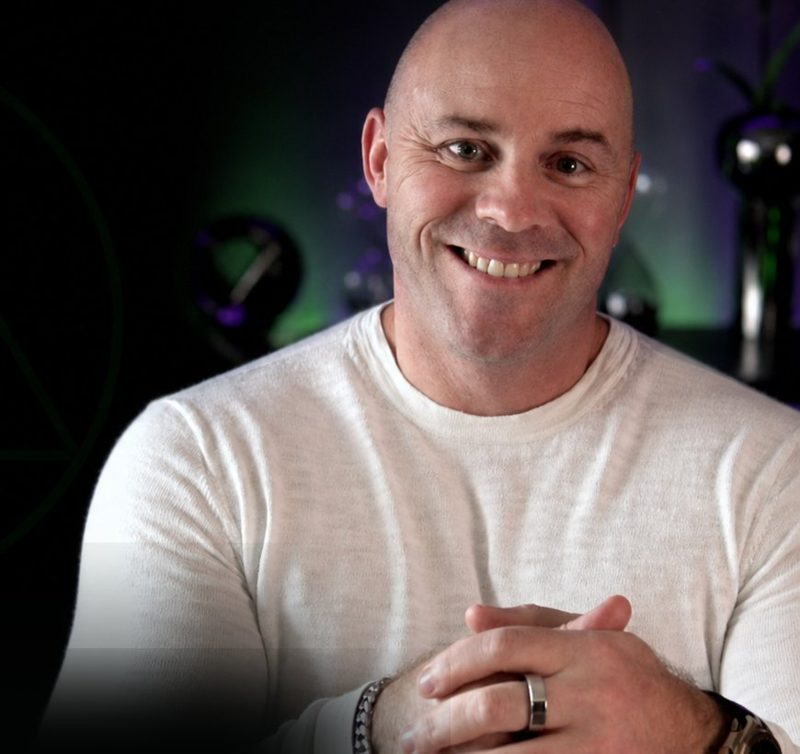
If you’ve tried to talk yourself out of this fear and it hasn’t worked, that isn’t a lack of willpower. A phobia is an alarm your mind learned, and logic alone rarely switches it off.
When a fear is less common, it can be harder to explain, so you may not have told many people about it. I work one to one over Zoom with people whose fears are holding them back, including rarer ones like this, and every plan starts with understanding what your fear is really about.
I’ve spent 17 years in clinical practice and helped more than 1,000 people with phobias. I hold a Postgraduate Certificate and a Postgraduate Diploma in Clinical Hypnotherapy, both with Distinction, and journalists and clients call me the Phobia Guru.
Common questions
Can a fear of falling make walking harder?
Yes, fear can make people stiffer and more hesitant, which can affect balance and confidence. A GP can check for physical causes and may refer on to a physiotherapist or a local falls service. Working on the fear alongside that can help with getting moving again.
How can you help?
I use hypnotherapy and NLP to change how your mind responds to the thing you fear, so the old alarm stops going off. Sessions are one to one over Zoom, and you get a recording of the hypnosis to listen to afterwards.
How many sessions will I need?
Many clients notice a real difference after one 90 minute session. If the fear goes back a long way, three sessions gives us room to make the change stick.
Further reading: PMC: Fear of falling in older adults, a concept analysis · Cleveland Clinic: How to conquer a fear of falling · NHS: Phobias
Ready to start?
A short call is the simplest next step. We’ll talk about your fear, what you’d like to feel instead, and whether I’m the right person to help.
- Take the free test at the top of this page to see how strong your fear is.
- Book a 30 minute call. Use code PHOBIA at checkout for half price: £24.50 instead of £49 ($29.50 outside the UK).
- Start your sessions over Zoom from wherever you live, or face to face in Hertfordshire.
See all session options and prices