
Fear of stars and space (astrophobia)
En español: lee sobre este miedo en Fobias.org.
Astrophobia is a fear of stars, the night sky and outer space. Looking up on a clear night can bring a sense of dread at how vast and empty space seems. Some people avoid stargazing, space documentaries or planetarium visits.
Many people find that with the right help, a clear night sky becomes something to enjoy rather than fear.
Use code PHOBIA at checkout for half price: £24.50 instead of £49. Outside the UK? $29.50.
About this phobia
The name comes from the Greek astron, meaning star, and the fear is also called siderophobia, from the Latin sidus. It is rarely documented clinically. It is often confused with astraphobia, the much better known fear of thunder and lightning.
How it shows up
Astrophobia often appears on clear nights, when the sheer number of stars makes the universe feel enormous, cold and empty. Some people feel small and exposed under an open sky, while others are troubled by thoughts of black holes, meteors or what lies beyond what we can see. The fear can be set off by facts as much as by the sky itself, such as learning how far away the stars are or how old their light is. It differs from simple awe because it brings dread and a wish to look away rather than wonder.
Common triggers
- Clear starry nights
- Space documentaries
- News about asteroids or meteors
- Images of galaxies and nebulae
- Planetarium shows
- Thinking about infinity
- Meteor showers and eclipses
Where it shows up
- Dark countryside away from city lights
- Camping trips
- Science museums and planetariums
- School science lessons
- Outside late at night
- Stargazing events
Symptoms
In your body
- Racing heart
- Dizziness
- Shortness of breath
- Restlessness
In your mind
- Feeling tiny or insignificant
- Worry about threats from space
- A sense of unreality
- Dread about the unknown
What you might do
- Avoiding stargazing
- Keeping curtains closed at night
- Turning off space programmes
- Choosing brightly lit places after dark
What may cause it
Astrophobia has very little clinical research, though people have written openly about their fear of space and its vastness. It may grow from frightening films, dramatic news about space threats or a childhood moment of feeling lost under a dark sky. People who already live with general anxiety can find big questions about the universe, time and infinity especially unsettling. Avoidance brings relief but keeps the fear going, because the mind never gets the chance to feel calm under the stars.
How it can affect your life
The fear can make time outdoors at night stressful, limit some holidays and affect enjoyment of science lessons. Some people also find it hard to follow the news when space missions or meteor showers are in the headlines. It may come with wider worry about the world and the future.
Related fears
- Fear of the dark (nyctophobia)
- Fear of thunder and lightning (astraphobia)
- Fear of infinity (apeirophobia)
Things that can help day to day
- Learn the basics of astronomy from calm, reliable sources rather than dramatic videos
- Look at the sky for short spells with someone you trust
- Notice whether the fear is about size, danger or the unknown
- Ground yourself with your senses, such as naming things you can hear, if thoughts spiral
When to get help
If fear of space or the night sky brings panic or affects your sleep, speak to a GP or to a therapist trained in anxiety.
Explore more unusual fears in the rare phobias A to Z, or browse the common phobias.
About me
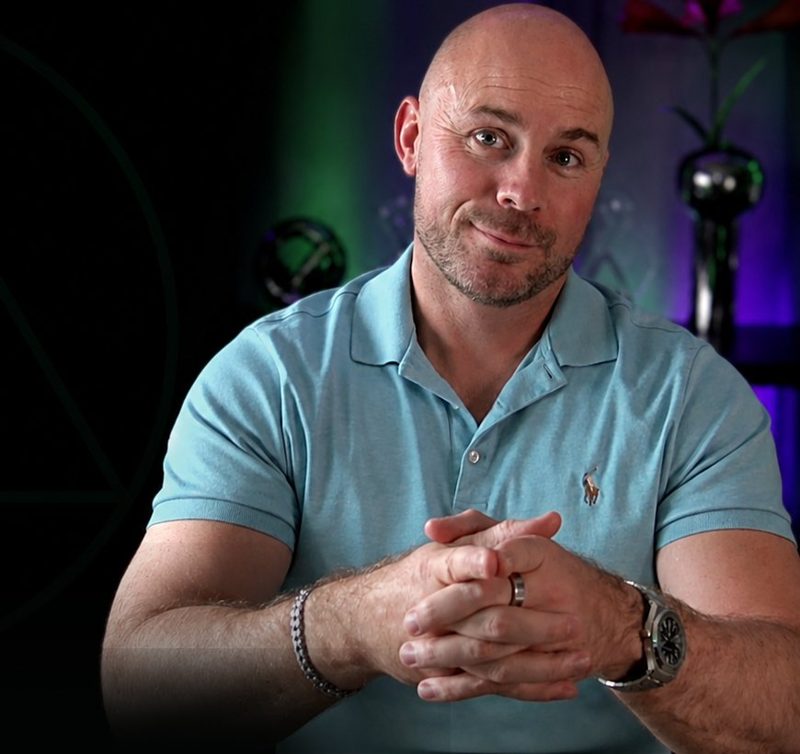
If you’ve tried to talk yourself out of this fear and it hasn’t worked, that isn’t a lack of willpower. A phobia is an alarm your mind learned, and logic alone rarely switches it off.
When a fear is less common, it can be harder to explain, so you may not have told many people about it. I work one to one over Zoom with people whose fears are holding them back, including rarer ones like this, and every plan starts with understanding what your fear is really about.
I’ve spent 17 years in clinical practice and helped more than 1,000 people with phobias. I hold a Postgraduate Certificate and a Postgraduate Diploma in Clinical Hypnotherapy, both with Distinction, and journalists and clients call me the Phobia Guru.
Common questions
Is astrophobia the same as fear of thunder?
No. The two words look alike, but astraphobia is a fear of thunder and lightning, while astrophobia is about stars and space. Mix ups between them are common online.
How can you help?
I use hypnotherapy and NLP to change how your mind responds to the thing you fear, so the old alarm stops going off. Sessions are one to one over Zoom, and you get a recording of the hypnosis to listen to afterwards.
How many sessions will I need?
Many clients notice a real difference after one 90 minute session. If the fear goes back a long way, three sessions gives us room to make the change stick.
Further reading: What happens when you are terrified of space, Inverse
Ready to start?
A short call is the simplest next step. We’ll talk about your fear, what you’d like to feel instead, and whether I’m the right person to help.
- Take the free test at the top of this page to see how strong your fear is.
- Book a 30 minute call. Use code PHOBIA at checkout for half price: £24.50 instead of £49 ($29.50 outside the UK).
- Start your sessions over Zoom from wherever you live, or face to face in Hertfordshire.
See all session options and prices