
Fear of staying single (anuptaphobia)
En español: lee sobre este miedo en Fobias.org.
A fear of staying single can show up after a break-up, at weddings, on birthdays or whenever friends settle down. It is not a formal clinical diagnosis, but the worry is real, and it can be helped.
Many people find that with the right help, the worry about staying single eases, so they can enjoy life now and date from a calmer place.
Use code PHOBIA at checkout for half price: £24.50 instead of £49. Outside the UK? $29.50.
Understanding this fear
Anuptaphobia is a fear of staying single, or of never finding a partner. It is not a formal clinical diagnosis and there is very little research on it as a phobia, but the worry behind it can be strong and painful. Most people hope to find love. With this fear, the thought of being alone long term can bring dread, panic or a constant sense that time is running out.
It often shows up after a break up, as friends pair off, or around birthdays and family events. It can link closely to loneliness, low self worth and a fear of being rejected or forgotten. Some people also feel pressure from family, culture or social media about where they should be in life by a certain age.
Common triggers
- A recent break up or divorce
- Friends getting engaged, married or having children
- Weddings and family gatherings
- Birthdays, especially milestone ones
- Valentine’s Day and Christmas
- Questions about whether you are seeing anyone
- Dating app matches going quiet
- Couples’ photos on social media
Where it shows up
- Weddings and christenings
- Family meals and holidays
- Dating apps and social media
- Nights out with coupled up friends
- Home alone at weekends
- Work events where partners are invited
Symptoms
In your body
- Heavy, sinking feeling in the chest
- Restlessness and trouble relaxing
- Racing heart when the topic comes up
- Poor sleep and lying awake worrying
- Tension headaches
- Changes in appetite
In your mind
- I will end up alone forever
- There must be something wrong with me
- Everyone else has moved on without me
- Feeling time is running out
- Comparing yourself with others constantly
What you might do
- Staying in an unhappy relationship rather than be alone
- Rushing into new relationships
- Checking dating apps over and over
- Avoiding weddings or family events
- Settling for less than you want or deserve
What causes it
This fear often grows from life experiences such as a painful break up, being let down, or seeing a parent struggle on their own. Pressure from family, friends or culture about settling down by a certain age can feed it, and so can a constant stream of couples on social media. Low self worth can make being single feel like proof that something is wrong with you. Big life changes, such as moving away or friends starting families, can bring loneliness that fuels the fear. Rushing into relationships or staying in the wrong one can calm the fear for a while, but it does not address the worry underneath.
How it can affect your life
This fear can push people into relationships that are not right for them, or keep them in ones that are making them unhappy. It can take the joy out of time with friends and family, and make weddings and celebrations painful. Ongoing worry and loneliness can affect sleep, mood and confidence. Ironically, the pressure can also make dating harder, because anxiety gets in the way of being relaxed and yourself.
Things that can help day to day
- Notice the story I will be alone forever and ask what evidence you really have
- Build a life you enjoy now, with friends, interests and plans
- Limit time on dating apps and social media if they leave you feeling worse
- Spend time with people who value you for who you are
- Write down what you actually want in a partner, not just any partner
When to get help
If the fear is keeping you in an unhealthy relationship, stopping you enjoying life, or leaving you feeling low or very lonely, it is worth getting help. Your GP is a good first step if anxiety or low mood is affecting your daily life. If you are feeling very low, Samaritans are there any time on 116 123.
How I can help
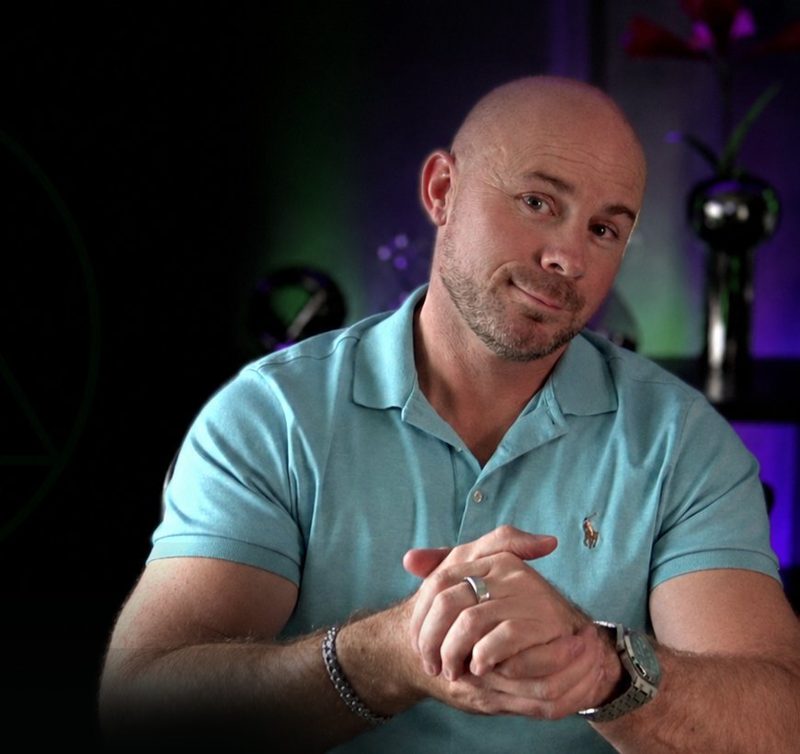
If you’ve tried to talk yourself out of this fear and it hasn’t worked, that isn’t a lack of willpower. A phobia is an alarm your mind learned, and logic alone rarely switches it off.
When I work with a fear of staying single over Zoom, I want to understand what being alone really means to you, because it is often linked to older experiences of being left, overlooked or not feeling good enough. With hypnotherapy and NLP, we can ease the panic around those memories and build a steadier sense of your own worth. I also help you picture a future where you feel calm and content, whether you are in a relationship or not. Many clients find they make better choices in dating once the fear is no longer steering.
I’ve spent 17 years in clinical practice and helped more than 1,000 people with phobias. I hold a Postgraduate Certificate and a Postgraduate Diploma in Clinical Hypnotherapy, both with Distinction.
Common questions
Is anxiety about being single normal?
Yes, many people worry about it at times, especially after a break up or as friends settle down. It becomes a problem when the fear takes over your thoughts, drives your choices or stops you enjoying life.
Can fear of being single make me stay in a bad relationship?
It can. The fear of being alone can feel bigger than the unhappiness of a poor relationship. If you are in a relationship that feels unsafe, please reach out to someone you trust or a support service.
What is the difference between being alone and being lonely?
Being alone is a situation, while loneliness is a feeling. Some people are content on their own, while others feel lonely even when surrounded by people. Working on loneliness and self worth can ease the fear of staying single.
Is this a recognised phobia?
Not in the formal medical sense, and there is very little research on it. But people do search for it and do suffer with it. If the worry about being alone is taking over your life, it is worth working on.
How can you help?
I use hypnotherapy and NLP to change how your mind responds to the thing you fear, so the old alarm stops going off. Sessions are one to one over Zoom, and you get a recording of the hypnosis to listen to afterwards.
How many sessions will I need?
Many clients notice a real difference after one 90 minute session. If the fear goes back a long way, three sessions gives us room to make the change stick.
Further reading: Mind: About loneliness · NHS: Phobias · Mind: About phobias
Ready to start?
A short call is the simplest next step. We’ll talk about your fear, what you’d like to feel instead, and whether I’m the right person to help.
- Take the free test at the top of this page to see how strong your fear is.
- Book a 30 minute call. Use code PHOBIA at checkout for half price: £24.50 instead of £49 ($29.50 outside the UK).
- Start your sessions over Zoom from wherever you live, or face to face in Hertfordshire.
See all session options and prices