
Fear of stealing (kleptophobia)
Kleptophobia is described as a fear of stealing, and on some lists also as a fear of being stolen from. For some people it shows up as worry about walking out of a shop with something unpaid for, or about being wrongly accused of theft.
Many people find that with the right help, the worry about taking or losing things settles and shops feel relaxed again.
Use code PHOBIA at checkout for half price: £24.50 instead of £49. Outside the UK? $29.50.
About this phobia
The name comes from the Greek kleptein, to steal, the same root as kleptomania. It is rarely reported and is not a recognised clinical diagnosis. Repeated worry about having done something wrong without realising can sometimes be part of obsessive compulsive disorder, which is well documented.
How it shows up
This fear can point in two directions. One person may dread being robbed, double-locking doors and clutching bags in busy streets, while another is troubled by the idea that they might take something without meaning to, or be suspected of it. In both cases the worry is out of step with what is actually happening. Taking sensible care of belongings is normal, but here the checking and dread eat up real time and energy.
Common triggers
- Security alarms or tags at shop exits
- Self-checkout tills
- Being watched by store staff
- News stories about burglary or pickpockets
- Leaving a bag or phone out of sight
- Finding an item in a pocket that should not be there
- Walking past security guards
Where it shows up
- Supermarkets and shops
- Crowded streets and public transport
- Hotels and shared accommodation
- Workplaces with shared items
- Home at night
- Car parks and parked cars
Symptoms
In your body
- Hot face or flushing
- Fast heartbeat
- Clammy hands
- Churning stomach
- Tight chest
In your mind
- Doubt about whether something was paid for
- Fear of being accused or not believed
- Picturing the home being broken into
- Replaying the moment of leaving a shop
What you might do
- Checking receipts, pockets and bags
- Keeping hands in view in shops
- Checking locks many times
- Avoiding self-service and paying staff only
What may cause it
Hardly any research looks at kleptophobia directly. Being burgled, pickpocketed or wrongly blamed in the past can leave a lasting sense of threat, and a strict upbringing around honesty may feed a fear of doing wrong. When doubt and checking take hold, and the person cannot trust their own memory, it can be part of obsessive compulsive disorder. Each check eases the worry for a moment, which is why the habit tends to grow.
How it can affect your life
Shopping can become slow and stressful, with lots of checking or avoiding self-service tills. At home, worry about break-ins can disturb sleep and make it hard to go away. Some people cannot relax on holiday or at work if their belongings are out of sight, or they avoid busy places altogether.
Related fears
- Obsessive compulsive disorder (OCD)
- Fear of being robbed (harpaxophobia)
- Social anxiety
Things that can help day to day
- Keep receipts in one place so you know where to look
- Allow yourself one check, then walk away
- Talk through the worry with someone you trust instead of checking again
- Use sensible home security, then set a limit on checking locks
When to get help
If checking, doubt or guilt are taking up a large part of your day, speak to your GP, as OCD is treatable. A therapist can also help if a past theft or accusation still feels raw.
Explore more unusual fears in the rare phobias A to Z, or browse the common phobias.
About me
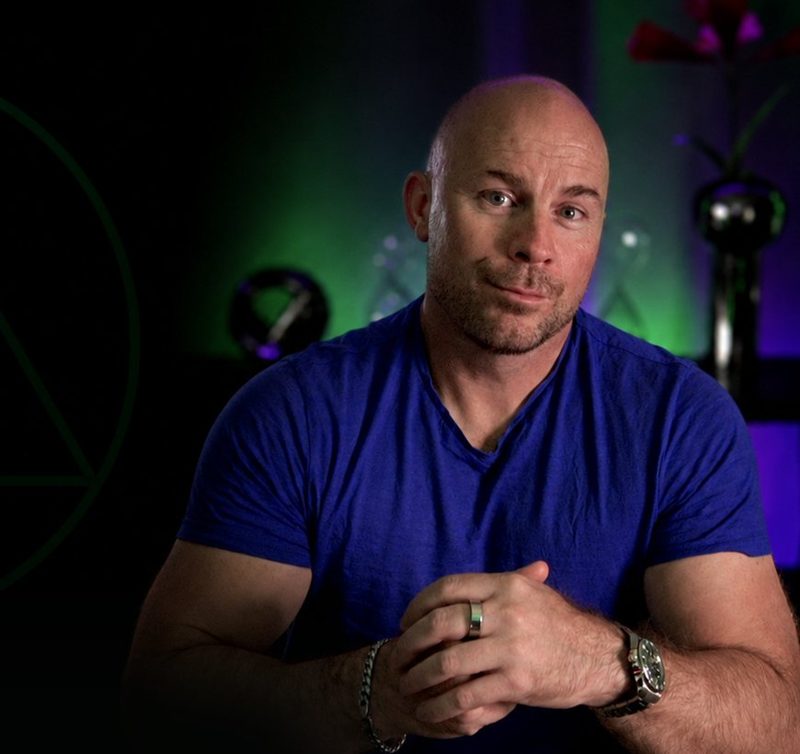
If you’ve tried to talk yourself out of this fear and it hasn’t worked, that isn’t a lack of willpower. A phobia is an alarm your mind learned, and logic alone rarely switches it off.
When a fear is less common, it can be harder to explain, so you may not have told many people about it. I work one to one over Zoom with people whose fears are holding them back, including rarer ones like this, and every plan starts with understanding what your fear is really about.
I’ve spent 17 years in clinical practice and helped more than 1,000 people with phobias. I hold a Postgraduate Certificate and a Postgraduate Diploma in Clinical Hypnotherapy, both with Distinction, and journalists and clients call me the Phobia Guru.
Common questions
Can you be afraid of stealing something by accident?
Yes, and it is more common than many people think. Some go over a shopping trip again and again to make sure everything was paid for. If those checks start to take up a lot of time, a GP can talk through the options, as this pattern is sometimes linked to OCD.
How can you help?
I use hypnotherapy and NLP to change how your mind responds to the thing you fear, so the old alarm stops going off. Sessions are one to one over Zoom, and you get a recording of the hypnosis to listen to afterwards.
How many sessions will I need?
Many clients notice a real difference after one 90 minute session. If the fear goes back a long way, three sessions gives us room to make the change stick.
Further reading: Kleptophobia (WikiDoc)
Ready to start?
A short call is the simplest next step. We’ll talk about your fear, what you’d like to feel instead, and whether I’m the right person to help.
- Take the free test at the top of this page to see how strong your fear is.
- Book a 30 minute call. Use code PHOBIA at checkout for half price: £24.50 instead of £49 ($29.50 outside the UK).
- Start your sessions over Zoom from wherever you live, or face to face in Hertfordshire.
See all session options and prices