
Fear of stepfathers (vitricophobia)
Vitricophobia is a fear of your stepfather. It might show up as tension when he is in the room, avoiding visits home, or a sense of unease that is hard to put into words.
Many people find that with the right help, time at home with a stepfather feels calmer and easier to manage.
Use code PHOBIA at checkout for half price: £24.50 instead of £49. Outside the UK? $29.50.
About this phobia
The name comes from the Latin vitricus, meaning stepfather, and it is a rare term found mainly on phobia lists. Feelings about a stepparent are often bound up with family change, loyalty to a parent, or the stress of a new household. Similar list terms exist for stepmothers and other relatives.
How it shows up
Getting used to a stepfather can take time, and it is normal to feel awkward or unsure at first. Vitricophobia goes further, with fear rather than discomfort when he is near or when you think about seeing him. For some it is a vague unease that is hard to explain, while for others it comes from clear experiences of harshness, shouting or control. It differs from simply not getting on because it affects sleep, mood and choices about home and family.
Common triggers
- Hearing his voice or footsteps
- Being alone with him
- Family meals or holidays
- Being told what to do
- Arguments at home
- His car pulling up
- Changes to rules or routines at home
Where it shows up
- The family home
- Family celebrations
- Car trips
- Visits to a parent
- Phone or video calls
- School events he attends
Symptoms
In your body
- Tight stomach
- Racing heart
- Feeling tense or frozen
- Trouble sleeping
In your mind
- Feeling unsafe or on edge
- Worry about upsetting him
- Torn loyalty between parents
- Expecting criticism
What you might do
- Staying in your room
- Avoiding visits home
- Keeping conversations short
- Spending time elsewhere
What may cause it
There is little research on vitricophobia as a separate fear, but the stress of stepfamily life is well known. Changes in family structure, loyalty to the other parent and adjusting to new rules can all create tension. In some cases the fear comes from real mistreatment, harsh discipline or seeing conflict at home. Those feelings deserve to be taken seriously and talked through with someone safe.
How it can affect your life
The fear can make home feel unsafe and strain the relationship with a parent. It may affect school, work and mood, and lead some people to leave home early or step back from family. It can also leave the other parent feeling torn and unsure how to help.
Related fears
- Fear of stepmothers (novercaphobia)
- Fear of relatives (syngenesophobia)
- Fear of parents
- Fear of conflict
Things that can help day to day
- Talk to a trusted adult, friend or teacher
- Find a safe space at home or nearby where you can calm down
- Keep a journal of what sets the fear off
- Ask for some time with your parent on their own
When to get help
If you feel unsafe at home, tell someone you trust, and call 999 if you are in danger. A GP or specialist counsellor can help, especially if the fear is linked to past or current mistreatment.
Explore more unusual fears in the rare phobias A to Z, or browse the common phobias.
About me
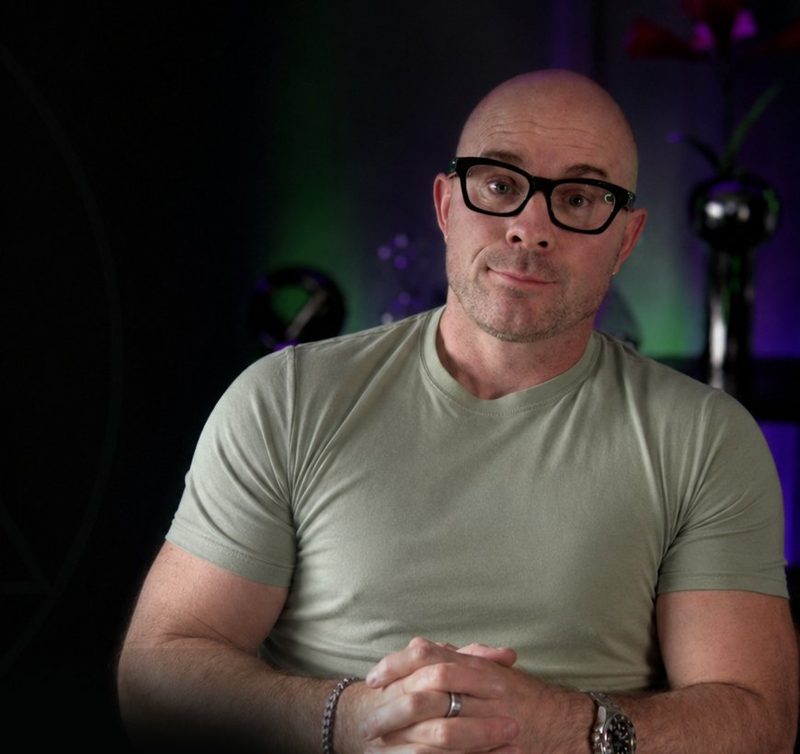
If you’ve tried to talk yourself out of this fear and it hasn’t worked, that isn’t a lack of willpower. A phobia is an alarm your mind learned, and logic alone rarely switches it off.
When a fear is less common, it can be harder to explain, so you may not have told many people about it. I work one to one over Zoom with people whose fears are holding them back, including rarer ones like this, and every plan starts with understanding what your fear is really about.
I’ve spent 17 years in clinical practice and helped more than 1,000 people with phobias. I hold a Postgraduate Certificate and a Postgraduate Diploma in Clinical Hypnotherapy, both with Distinction, and journalists and clients call me the Phobia Guru.
Common questions
What should I do if I am scared of my stepfather?
Fear in a family setting can have many causes, from adjusting to a new household to more serious experiences. If the fear is linked to past or present mistreatment, please talk to a GP, a specialist counsellor or another trusted person who can help you feel safe.
How can you help?
I use hypnotherapy and NLP to change how your mind responds to the thing you fear, so the old alarm stops going off. Sessions are one to one over Zoom, and you get a recording of the hypnosis to listen to afterwards.
How many sessions will I need?
Many clients notice a real difference after one 90 minute session. If the fear goes back a long way, three sessions gives us room to make the change stick.
Further reading: NHS: Phobias · Mind: Phobias
Ready to start?
A short call is the simplest next step. We’ll talk about your fear, what you’d like to feel instead, and whether I’m the right person to help.
- Take the free test at the top of this page to see how strong your fear is.
- Book a 30 minute call. Use code PHOBIA at checkout for half price: £24.50 instead of £49 ($29.50 outside the UK).
- Start your sessions over Zoom from wherever you live, or face to face in Hertfordshire.
See all session options and prices