
Fear of stiff joints (ankylophobia)
Ankylophobia is a fear of joints becoming stiff or unable to move. Someone with this fear may stretch constantly, worry about any ache, or avoid sitting still for long. Any real joint pain, swelling or stiffness should be checked with a GP.
Many people find that with the right help, and alongside advice from their doctor or physio, an ache stops setting off worry about stiff joints.
Use code PHOBIA at checkout for half price: £24.50 instead of £49. Outside the UK? $29.50.
About this phobia
The name comes from the Greek ankylos, meaning bent or crooked, the same root as ankylosis, the medical term for a stiff or fused joint. As a phobia it is rarely reported. It often overlaps with health anxiety and fears about ageing or arthritis.
How it shows up
Ankylophobia tends to show up as close attention to the body, especially the knees, hips, back and hands. Morning stiffness, a creaky joint or a twinge after sitting can set off worry that movement is being lost for good. Some people stretch constantly, while others hold back from activity for fear of making things worse. This differs from normal aches and pains because the worry outweighs the symptoms and tends to grow with checking.
Common triggers
- Stiffness first thing in the morning
- Clicking or creaking joints
- Sitting still for long periods
- Seeing someone with arthritis
- Birthdays and getting older
- Health articles about joint disease
- Aches after gardening or exercise
Where it shows up
- Long car rides or flights
- Office desks and long meetings
- Cold, damp weather
- Gyms and exercise classes
- Bed at night
Symptoms
In your body
- Noticing every ache or twinge
- Muscle tension
- Restlessness when still
- Poor sleep
In your mind
- Fear of losing movement or independence
- Assuming the worst about small aches
- Worry about ageing
- Difficulty relaxing
What you might do
- Stretching or flexing joints constantly
- Looking up symptoms online
- Avoiding activity in case it causes damage
- Asking others for reassurance
What may cause it
Ankylophobia has almost no research of its own and usually fits within health anxiety and fears about ageing. Watching a relative live with arthritis, or having a past injury that took a long time to heal, can make the fear very personal. Paying close attention to the joints makes normal sensations such as creaks and morning stiffness more noticeable, which then feeds the worry. Both constant checking and moving less than usual can keep the fear going.
How it can affect your life
The fear can take up a lot of time and attention, and may lead to avoiding the very movement that helps joints stay healthy. Some people turn down long trips, cinema visits or desk based jobs because sitting still feels risky. It can also affect sleep, work and mood.
Related fears
- Health anxiety
- Fear of ageing (gerascophobia)
- Fear of disease (nosophobia)
Things that can help day to day
- Keep up gentle, regular movement such as walking or a stretching class
- Limit online searching about joint problems to avoid fuelling the worry
- Notice how anxiety changes what you feel in your body
- Get up from your desk regularly without turning it into a test
When to get help
Any joint pain, swelling, redness or stiffness that lasts should be checked by a GP. If checks are reassuring but the worry continues, ask your GP about talking therapy for health anxiety.
Explore more unusual fears in the rare phobias A to Z, or browse the common phobias.
About me
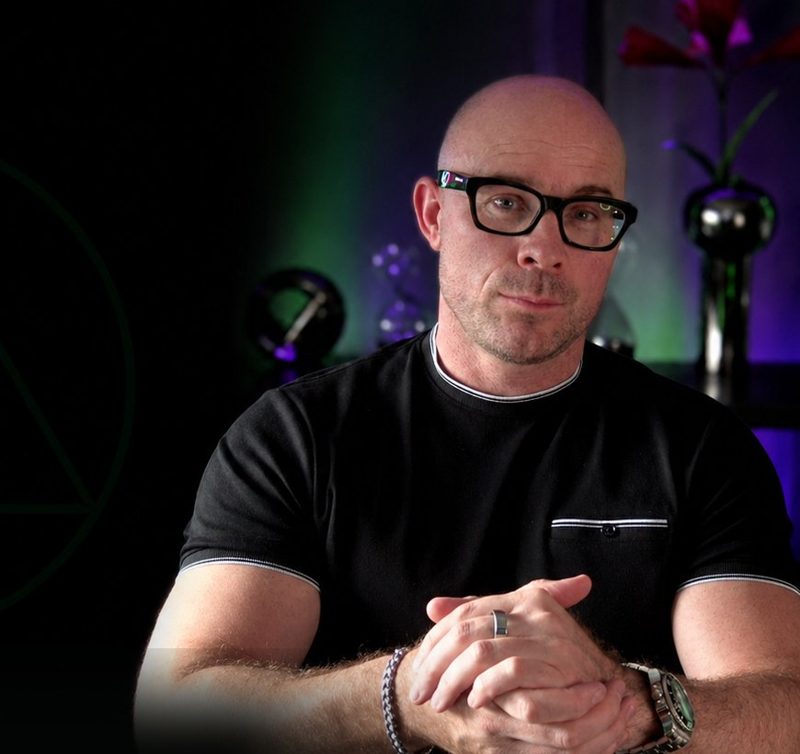
If you’ve tried to talk yourself out of this fear and it hasn’t worked, that isn’t a lack of willpower. A phobia is an alarm your mind learned, and logic alone rarely switches it off.
When a fear is less common, it can be harder to explain, so you may not have told many people about it. I work one to one over Zoom with people whose fears are holding them back, including rarer ones like this, and every plan starts with understanding what your fear is really about.
I’ve spent 17 years in clinical practice and helped more than 1,000 people with phobias. I hold a Postgraduate Certificate and a Postgraduate Diploma in Clinical Hypnotherapy, both with Distinction, and journalists and clients call me the Phobia Guru.
Common questions
Is morning stiffness something to worry about?
Some stiffness after sleep or sitting is very common and usually eases with movement. Stiffness that lasts a long time, comes with swelling or keeps getting worse is worth checking with a GP. A proper check can also help settle the anxiety.
How can you help?
I use hypnotherapy and NLP to change how your mind responds to the thing you fear, so the old alarm stops going off. Sessions are one to one over Zoom, and you get a recording of the hypnosis to listen to afterwards.
How many sessions will I need?
Many clients notice a real difference after one 90 minute session. If the fear goes back a long way, three sessions gives us room to make the change stick.
Further reading: Health anxiety (hypochondria), nidirect
Ready to start?
A short call is the simplest next step. We’ll talk about your fear, what you’d like to feel instead, and whether I’m the right person to help.
- Take the free test at the top of this page to see how strong your fear is.
- Book a 30 minute call. Use code PHOBIA at checkout for half price: £24.50 instead of £49 ($29.50 outside the UK).
- Start your sessions over Zoom from wherever you live, or face to face in Hertfordshire.
See all session options and prices