
Fear of stings (cnidophobia)
Cnidophobia is a fear of stings, whether from insects, nettles or jellyfish. It can make picnics, country walks and beach holidays feel tense, with constant scanning for anything that might sting. If you have ever had a strong reaction to a sting, such as swelling or difficulty breathing, talk to a GP about allergy checks.
Many people find that with the right help, picnics, country walks and beach days become something to enjoy with sensible care.
Use code PHOBIA at checkout for half price: £24.50 instead of £49. Outside the UK? $29.50.
About this phobia
The word comes from the Greek knide, meaning nettle, which also gives the name cnidarians, the animal group that includes jellyfish. It is uncommon and is listed both as a general fear of stings and specifically for jellyfish stings. Related fears include spheksophobia, a fear of wasps, and apiphobia, a fear of bees.
How it shows up
Cnidophobia can turn a summer afternoon into a constant watch for danger. Someone with it may keep scanning the grass for bees, check every patch of nettles, or refuse to go into the sea in case of jellyfish. The fear often lasts long after the pain of a past sting has gone. It differs from sensible care because it stops people enjoying ordinary outdoor life.
Common triggers
- Buzzing near your face
- Bees, wasps and hornets
- Nettles and thistles
- Jellyfish on beaches or in the sea
- Picnics and sweet drinks outside
- Stories of stings or allergic reactions
- Bees near flowers and bins
Where it shows up
- Gardens and parks in summer
- Beaches and rock pools
- Country paths and woods
- Outdoor cafes and pub gardens
- Orchards and flower meadows
- Sports fields and school playgrounds
Symptoms
In your body
- Flinching or swatting
- Racing heart
- Sweating
- Shaky hands
- Itchy, prickly skin
In your mind
- Constant scanning for insects or plants
- Fear of a strong reaction
- Imagining the pain of a sting
- Expecting the worst from any buzzing
What you might do
- Staying indoors in warm weather
- Avoiding beaches and picnics
- Wearing long sleeves even in the heat
- Leaving suddenly when an insect appears
What may cause it
A painful sting, especially in childhood, is a common starting point. Seeing someone else react badly, or knowing that some people have serious allergies, can also feed the fear. Cnidophobia is an uncommon term with little research of its own, but fears of bees and wasps are well known. Swatting and running can draw more attention from insects, which can make the fear feel justified.
How it can affect your life
Summer holidays, garden time and outdoor events can feel more stressful than fun. Children with the fear may miss out on play, and parents may feel unable to relax outside. Some people also avoid jobs or hobbies outdoors, such as gardening, walking or sport, because of the risk of a sting.
Related fears
- Fear of wasps (spheksophobia)
- Fear of bees (apiphobia)
- Fear of insects (entomophobia)
- Fear of the sea and what lives in it (thalassophobia)
Things that can help day to day
- Stay calm and still when an insect comes near, as flapping tends to make things worse
- Cover food and drinks outside and wear shoes on grass
- Learn to spot nettles so you can walk around them
- Check local beach guidance about jellyfish before swimming
When to get help
If you ever have trouble breathing or swelling of the face or throat after a sting, call 999 straight away. For other strong reactions, or if the fear is keeping you indoors, talk to your GP.
Explore more unusual fears in the rare phobias A to Z, or browse the common phobias.
About me
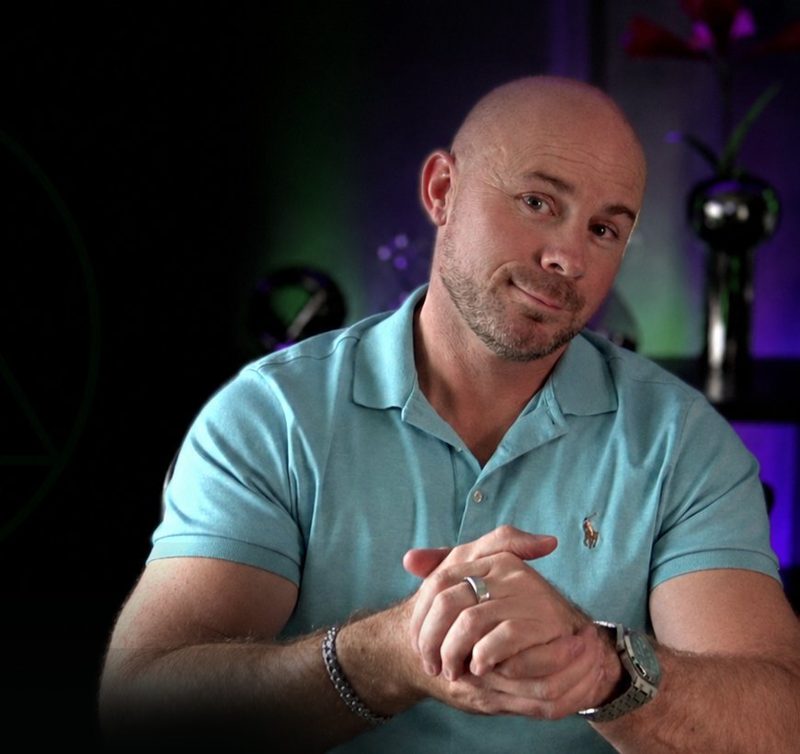
If you’ve tried to talk yourself out of this fear and it hasn’t worked, that isn’t a lack of willpower. A phobia is an alarm your mind learned, and logic alone rarely switches it off.
When a fear is less common, it can be harder to explain, so you may not have told many people about it. I work one to one over Zoom with people whose fears are holding them back, including rarer ones like this, and every plan starts with understanding what your fear is really about.
I’ve spent 17 years in clinical practice and helped more than 1,000 people with phobias. I hold a Postgraduate Certificate and a Postgraduate Diploma in Clinical Hypnotherapy, both with Distinction, and journalists and clients call me the Phobia Guru.
Common questions
Is a fear of stings more likely after a bad reaction?
Yes, a painful or frightening sting can leave a lasting fear, especially if it happened in childhood. If you have had an allergic reaction before, getting proper medical advice and a plan can make the fear easier to live with.
How can you help?
I use hypnotherapy and NLP to change how your mind responds to the thing you fear, so the old alarm stops going off. Sessions are one to one over Zoom, and you get a recording of the hypnosis to listen to afterwards.
How many sessions will I need?
Many clients notice a real difference after one 90 minute session. If the fear goes back a long way, three sessions gives us room to make the change stick.
Further reading: Cleveland Clinic: Entomophobia · NHS: Insect bites and stings · NHS: Phobias
Ready to start?
A short call is the simplest next step. We’ll talk about your fear, what you’d like to feel instead, and whether I’m the right person to help.
- Take the free test at the top of this page to see how strong your fear is.
- Book a 30 minute call. Use code PHOBIA at checkout for half price: £24.50 instead of £49 ($29.50 outside the UK).
- Start your sessions over Zoom from wherever you live, or face to face in Hertfordshire.
See all session options and prices