
Fear of stooping (kyphophobia)
Kyphophobia is a fear of stooping or bending over. Someone with this fear may avoid picking things up from the floor, tying shoelaces or reaching into low cupboards, and may even feel uneasy watching others bend down. If bending causes pain, stiffness or dizziness, it is sensible to check that with a GP.
Many people find that with the right help, picking something up from the floor or tying a shoelace feels ordinary again.
Use code PHOBIA at checkout for half price: £24.50 instead of £49. Outside the UK? $29.50.
About this phobia
The word links to the Greek kyphos, meaning bent or hunched, the same root as kyphosis, a forward curve of the upper spine. It is rarely reported and is mostly found on phobia lists. In some cases the fear may grow out of a past back injury or a worry about falling.
How it shows up
Bending over is part of so many small daily tasks that this fear can surface dozens of times a day. Someone with kyphophobia may brace or freeze as they reach down, expecting pain, a fall or a rush of blood to the head. Some are troubled more by the look of stooping, linking it with ageing or frailty. It differs from simple caution because the worry stays even when the body is fine.
Common triggers
- Dropping something on the floor
- Putting on socks or shoes
- Loading a dishwasher or low oven
- Gardening or weeding
- Seeing an older person bent over
- Remembering a past back twinge
- Picking up children or pets
Where it shows up
- Kitchens with low cupboards
- Gardens and allotments
- Bottom shelves in supermarkets
- Looking after small children
- Gyms and exercise classes
- Shoe shops and changing rooms
Symptoms
In your body
- Stiff or braced back
- Light-headed feeling when bending
- Holding the breath
- Shaky legs
- Sweating
In your mind
- Expecting a sharp pain
- Fear of falling or not getting back up
- Worry about looking old or unwell
- Scanning the body for twinges
What you might do
- Kneeling or squatting instead of bending
- Using grabbers or asking others to pick things up
- Avoiding certain chores
- Keeping everything at waist height
What may cause it
Little is written about kyphophobia, so it is best understood alongside fears of pain and falling. A slipped disc, a sudden spasm or a dizzy spell when bending can make the body treat the movement as dangerous. Seeing a relative develop a stooped posture may also leave a strong impression. Avoiding the movement can leave muscles stiffer, which then makes bending feel worse and seems to prove the fear right.
How it can affect your life
Everyday jobs like cleaning, gardening or caring for children can become hard work or need someone else’s help. It may also dent confidence about staying active in later years. Relying on others for simple jobs can also chip away at independence and make people feel older than they are.
Related fears
- Fear of movement linked to pain (kinesiophobia)
- Fear of falling (basophobia)
- Fear of kneeling (genuphobia)
Things that can help day to day
- Keep things you use often at waist height for now
- Ask a GP or physiotherapist which movements are right for you
- Breathe out as you bend rather than holding your breath
- Rest a hand on a worktop for support when you do bend
When to get help
Pain, stiffness or dizziness when bending should be checked by your GP, who may suggest physiotherapy. If the body is cleared and the fear remains, a therapist can help you feel safe moving again.
Explore more unusual fears in the rare phobias A to Z, or browse the common phobias.
About me
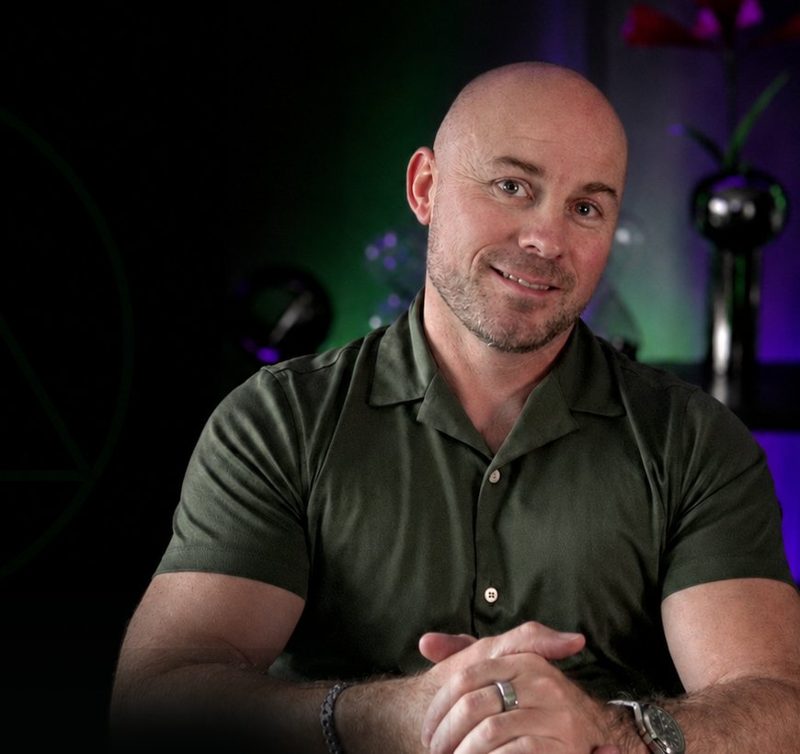
If you’ve tried to talk yourself out of this fear and it hasn’t worked, that isn’t a lack of willpower. A phobia is an alarm your mind learned, and logic alone rarely switches it off.
When a fear is less common, it can be harder to explain, so you may not have told many people about it. I work one to one over Zoom with people whose fears are holding them back, including rarer ones like this, and every plan starts with understanding what your fear is really about.
I’ve spent 17 years in clinical practice and helped more than 1,000 people with phobias. I hold a Postgraduate Certificate and a Postgraduate Diploma in Clinical Hypnotherapy, both with Distinction, and journalists and clients call me the Phobia Guru.
Common questions
Can a fear of bending over come from a back injury?
It can. After pain or an injury, the body and mind can stay on guard long after healing, and bending can start to feel risky. A GP or physiotherapist can check the physical side, which can make the fear easier to work with.
How can you help?
I use hypnotherapy and NLP to change how your mind responds to the thing you fear, so the old alarm stops going off. Sessions are one to one over Zoom, and you get a recording of the hypnosis to listen to afterwards.
How many sessions will I need?
Many clients notice a real difference after one 90 minute session. If the fear goes back a long way, three sessions gives us room to make the change stick.
Further reading: Genuphobia (Wikipedia) · Kyphosis glossary (Spine-health)
Ready to start?
A short call is the simplest next step. We’ll talk about your fear, what you’d like to feel instead, and whether I’m the right person to help.
- Take the free test at the top of this page to see how strong your fear is.
- Book a 30 minute call. Use code PHOBIA at checkout for half price: £24.50 instead of £49 ($29.50 outside the UK).
- Start your sessions over Zoom from wherever you live, or face to face in Hertfordshire.
See all session options and prices