
Fear of string (linonophobia)
Linonophobia is a fear of string. It might show up as discomfort handling parcels, knitting yarn or kite lines, or a strong reaction to loose threads, tangles or string wound around fingers.
Many people find that with the right help, a parcel, a ball of yarn or a kite string becomes an ordinary thing again.
Use code PHOBIA at checkout for half price: £24.50 instead of £49. Outside the UK? $29.50.
About this phobia
This is a rare term found mostly on lists of phobias, with little or no clinical writing behind it. Where the fear is real, it is often linked to something more specific, such as a worry about tangling, feeling trapped, or a past injury involving cord or rope.
How it shows up
String is such a small part of daily life that a fear of it can seem odd, yet for some people it brings a real jolt of unease. It may be the feel of fibres on the skin, the sight of a knot, or the thought of string pulling tight around a finger or wrist. The person might avoid craft work, gift wrapping or anything with dangling threads. Unlike a simple dislike, the reaction can be strong enough to make them leave the room.
Common triggers
- Loose threads on clothing
- Balls of wool or knitting yarn
- Parcels tied with string
- Knots and tangles
- String wrapped around fingers
- Kites, bunting or garden twine
- Tangled cables or headphone leads
Where it shows up
- Craft shops and haberdashers
- Post rooms and parcel deliveries
- Christmas or birthday wrapping
- Gardens and sheds
- Children’s games such as cat’s cradle
- Sewing or mending clothes
Symptoms
In your body
- Skin prickling or crawling
- Tight hands or fingers
- Fast heartbeat
- Feeling sick
- Urge to wipe the hands
In your mind
- Fear of getting tangled or trapped
- Strong disgust at the texture
- Thoughts of being hurt
- Urge to remove any loose thread at once
What you might do
- Cutting off loose threads straight away
- Avoiding crafts or wrapping gifts
- Asking others to open parcels
- Wearing gloves to handle string
What may cause it
There is no clinical research on linonophobia, so any cause is guesswork based on how phobias usually form. A childhood moment of being caught in cord, a finger squeezed by string, or seeing someone hurt could all play a part. For others it is more about texture, where certain fibres set off strong discomfort. Avoiding string keeps the brain from learning that it is harmless in most everyday settings.
How it can affect your life
The fear can make crafts, gift wrapping and some household jobs awkward. It may also cause embarrassment, as it is hard to explain to friends and family. Some people avoid certain fabrics or knitted clothes altogether, which narrows what they feel able to wear.
Related fears
- Fear of being trapped (claustrophobia)
- Fear of cotton wool (sidonglobophobia)
- Discomfort with certain textures (sensory sensitivity)
Things that can help day to day
- Start by looking at a short piece of string on a table
- Hold it briefly, then for a little longer over several days
- Try smooth ribbon before rougher string or twine
- Use slow breathing as you handle it
When to get help
If the fear is linked to a frightening past event or is causing a lot of distress, a therapist can help. Gentle, step by step work tends to suit fears like this.
Explore more unusual fears in the rare phobias A to Z, or browse the common phobias.
About me
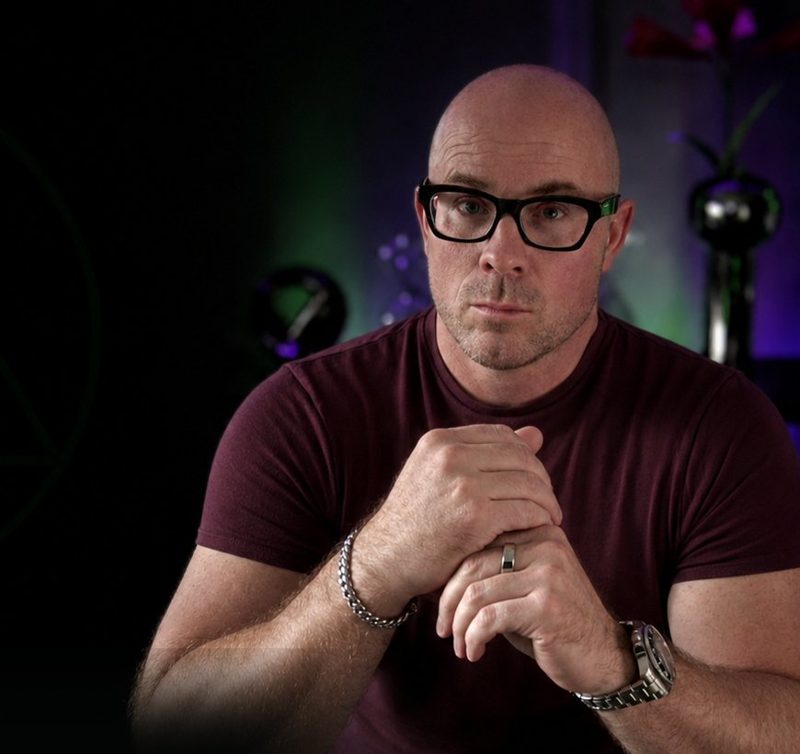
If you’ve tried to talk yourself out of this fear and it hasn’t worked, that isn’t a lack of willpower. A phobia is an alarm your mind learned, and logic alone rarely switches it off.
When a fear is less common, it can be harder to explain, so you may not have told many people about it. I work one to one over Zoom with people whose fears are holding them back, including rarer ones like this, and every plan starts with understanding what your fear is really about.
I’ve spent 17 years in clinical practice and helped more than 1,000 people with phobias. I hold a Postgraduate Certificate and a Postgraduate Diploma in Clinical Hypnotherapy, both with Distinction, and journalists and clients call me the Phobia Guru.
Common questions
Is linonophobia a real phobia?
It does appear on phobia lists, but very little has been documented about it. That does not make the feeling any less real for someone who has it, and a fear of something everyday can still cause genuine distress.
How can you help?
I use hypnotherapy and NLP to change how your mind responds to the thing you fear, so the old alarm stops going off. Sessions are one to one over Zoom, and you get a recording of the hypnosis to listen to afterwards.
How many sessions will I need?
Many clients notice a real difference after one 90 minute session. If the fear goes back a long way, three sessions gives us room to make the change stick.
Further reading: NHS: Claustrophobia · Understood: Sensory processing challenges and anxiety · NHS: Phobias
Ready to start?
A short call is the simplest next step. We’ll talk about your fear, what you’d like to feel instead, and whether I’m the right person to help.
- Take the free test at the top of this page to see how strong your fear is.
- Book a 30 minute call. Use code PHOBIA at checkout for half price: £24.50 instead of £49 ($29.50 outside the UK).
- Start your sessions over Zoom from wherever you live, or face to face in Hertfordshire.
See all session options and prices