
Fear of stuttering (psellismophobia)
Psellismophobia is a fear of stuttering. Some people with this fear already stammer and dread the moment it happens in front of others, while others have never stammered but worry they will start. Either way, phone calls, introductions and speaking in meetings can feel much harder than they need to.
Many people find that with the right help, they can speak up more freely, focusing on what they want to say rather than how it might come out.
Use code PHOBIA at checkout for half price: £24.50 instead of £49. Outside the UK? $29.50.
About this phobia
The term is built on psellismus, an older medical word for stammering taken from Greek. It is rarely used outside lists of phobias. It sits close to glossophobia, the fear of public speaking, and to wider social anxiety.
How it shows up
For people who already stammer, the fear often grows bigger than the stammer itself, so the dread before speaking does more harm than any blocked word. Many start swapping words at the last second, staying quiet in groups or letting others order for them. People who have never stammered may notice a single slip and then watch their speech so closely that talking stops feeling natural. That level of worry and avoidance is what sets it apart from simply disliking a stumble now and then.
Common triggers
- Answering or making phone calls
- Saying your own name when introduced
- Ordering food or drinks at a counter
- Speaking up in meetings or classes
- Reading aloud in front of others
- Words that start with a sound you often catch on
- Being asked to repeat yourself
Where it shows up
- Work meetings and job interviews
- Shop counters and drive-throughs
- Seminars and classrooms
- Phone calls with strangers
- Parties and gatherings with new people
Symptoms
In your body
- Tight throat or jaw
- Racing heart before speaking
- Shallow, held breath
- Hot face or blushing
- Tense shoulders and chest
In your mind
- Scanning ahead for difficult words
- Replaying conversations afterwards
- Expecting listeners to judge or laugh
- Worry building hours before a call
What you might do
- Swapping words at the last moment
- Letting calls go to voicemail
- Staying quiet in groups
- Asking others to speak for you
What may cause it
For people who stammer, being rushed, interrupted or teased over many years can teach the brain to expect each speaking moment to go badly. Avoidance then keeps the fear going, because the person rarely gets to see that most listeners are patient. For those who do not stammer, the fear may grow from one embarrassing moment, from a relative who stammers, or from wider social anxiety. The fear has not been studied much under this name, but the link between stammering and social anxiety is well recognised.
How it can affect your life
It can shape career choices, with people turning down roles that involve calls, presenting or meeting clients. Friendships can suffer when someone stays silent or skips social plans, and the constant effort of hiding a stammer is tiring in itself.
Related fears
- Fear of public speaking (glossophobia)
- Social anxiety
- Fear of being judged by others
- Fear of using the phone (telephonophobia)
Things that can help day to day
- Tell people early on that you sometimes stammer
- Practise saying the words you dread instead of swapping them
- Slow your breathing before a call or meeting
- Look into groups run by stammering charities
When to get help
If fear of speaking is stopping you working, studying or seeing people, a GP can refer you to a speech and language therapist or to talking therapy. Help is there for adults as well as children.
Explore more unusual fears in the rare phobias A to Z, or browse the common phobias.
About me
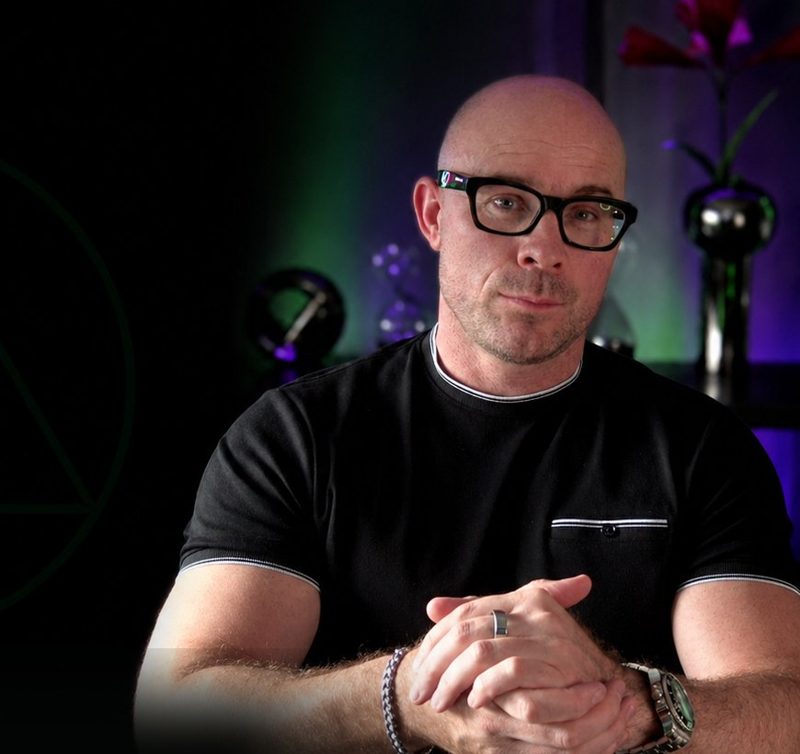
If you’ve tried to talk yourself out of this fear and it hasn’t worked, that isn’t a lack of willpower. A phobia is an alarm your mind learned, and logic alone rarely switches it off.
When a fear is less common, it can be harder to explain, so you may not have told many people about it. I work one to one over Zoom with people whose fears are holding them back, including rarer ones like this, and every plan starts with understanding what your fear is really about.
I’ve spent 17 years in clinical practice and helped more than 1,000 people with phobias. I hold a Postgraduate Certificate and a Postgraduate Diploma in Clinical Hypnotherapy, both with Distinction, and journalists and clients call me the Phobia Guru.
Common questions
Can a fear of stuttering make a stammer worse?
For many people the worry and the stammer feed each other, as tension and avoidance tend to build over time. Easing the fear does not remove a stammer, but it can make speaking feel less loaded. Speech and language therapy, available through the NHS, is the main route for the stammer itself.
How can you help?
I use hypnotherapy and NLP to change how your mind responds to the thing you fear, so the old alarm stops going off. Sessions are one to one over Zoom, and you get a recording of the hypnosis to listen to afterwards.
How many sessions will I need?
Many clients notice a real difference after one 90 minute session. If the fear goes back a long way, three sessions gives us room to make the change stick.
Further reading: NHS: Stammering · NHS: Social anxiety · NHS: Phobias
Ready to start?
A short call is the simplest next step. We’ll talk about your fear, what you’d like to feel instead, and whether I’m the right person to help.
- Take the free test at the top of this page to see how strong your fear is.
- Book a 30 minute call. Use code PHOBIA at checkout for half price: £24.50 instead of £49 ($29.50 outside the UK).
- Start your sessions over Zoom from wherever you live, or face to face in Hertfordshire.
See all session options and prices