
Fear of surgery (tomophobia)
En español: lee sobre este miedo en Fobias.org.
A fear of surgery can show up when you are told you need an operation, or even when you pass a hospital. It can bring sleepless nights and put off care you need, and it can be helped.
Many people find that with the right help, they can go ahead with the operation they need feeling calmer and more prepared.
Use code PHOBIA at checkout for half price: £24.50 instead of £49. Outside the UK? $29.50.
Understanding this fear
Tomophobia is a strong fear of surgery and medical procedures. Feeling nervous before an operation is very common and completely understandable. It becomes more of a phobia when the fear brings sleepless nights, panic or a strong urge to cancel, or when it stops you having treatment you need. If you have an operation coming up, please keep talking to your surgeon or GP and let them know how you are feeling.
The fear usually has several parts. Some people dread the general anaesthetic or not waking up, while others fear pain, needles, the hospital itself, losing control, or how their body will look and work afterwards. It can link closely with fears of needles, blood, hospitals and illness, and unfamiliarity with surgery often makes it worse. Children often fear being separated from their parents or not understanding what is happening, so they may need gentle explanations suited to their age.
Common triggers
- Being told you need an operation
- Receiving a date or pre-assessment letter
- Signing the consent form
- Thinking about the anaesthetic and going to sleep
- Needles, cannulas and drips
- The smell and sounds of a hospital
- Hearing other people’s surgery stories
- Hospital gowns, trolleys and theatre staff in masks
- Thinking about pain or recovery afterwards
Where it shows up
- Consultant and GP appointments
- Pre-operative assessment clinics
- Hospital car parks and entrances
- Wards and waiting areas on the day
- The anaesthetic room
- Dental and day surgery units
- Late night internet searches about the operation
Symptoms
In your body
- Trouble getting to sleep or waking in the night
- Pounding heart
- Sweating and clammy hands
- Tight chest or quick breathing
- Churning stomach or loss of appetite
- Muscle tension and restlessness
- Feeling faint around needles
In your mind
- What if I do not wake up
- What if I wake up during it
- I will be in terrible pain afterwards
- I will have no control over what happens
- Worry about family if something goes wrong
- Going over the worst outcomes again and again
What you might do
- Putting off seeing the GP about symptoms
- Delaying or cancelling surgery dates
- Searching online for complications late at night
- Asking the same questions again and again
- Avoiding talking about the operation
- Not mentioning the fear to the medical team
What causes it
Fear of surgery is partly a natural reaction to something unfamiliar and outside your control. It can grow from a past bad experience, such as a painful recovery, a difficult anaesthetic or a frightening hospital stay as a child. Hearing other people’s stories or reading worst case accounts online can add to it. People who already fear needles, blood or illness are often more likely to dread surgery. Avoidance keeps it going, because putting off appointments brings relief for now but leaves the fear untouched and often makes the eventual operation feel even bigger.
How it can affect your life
This fear can lead people to delay seeing a doctor, put off tests or cancel treatment, which can allow health problems to get worse. The run up to an operation can bring weeks of poor sleep, irritability and worry, affecting work and family life. Some people feel ashamed of being so frightened. Going into surgery feeling calmer is generally seen as better for the whole experience, which is a good reason to address the fear early.
Things that can help day to day
- Write down your questions and take them to your pre-assessment or consultant appointment
- Tell the anaesthetist and nurses how anxious you are, including any fear of needles
- Set aside a few minutes each day before the operation for slow breathing, so it is easy to use on the day
- Limit late night searching and stick to information from your hospital or the NHS
- Plan your recovery, such as help at home and small things to look forward to
When to get help
It is worth getting help if the fear is making you put off treatment, stopping you sleeping or causing panic attacks. Keep your surgeon, anaesthetist or GP informed about how you feel, as they can explain the procedure, the anaesthetic and what support is available. Your GP is the first port of call for any health worries and for anxiety that is affecting daily life.
How I can help
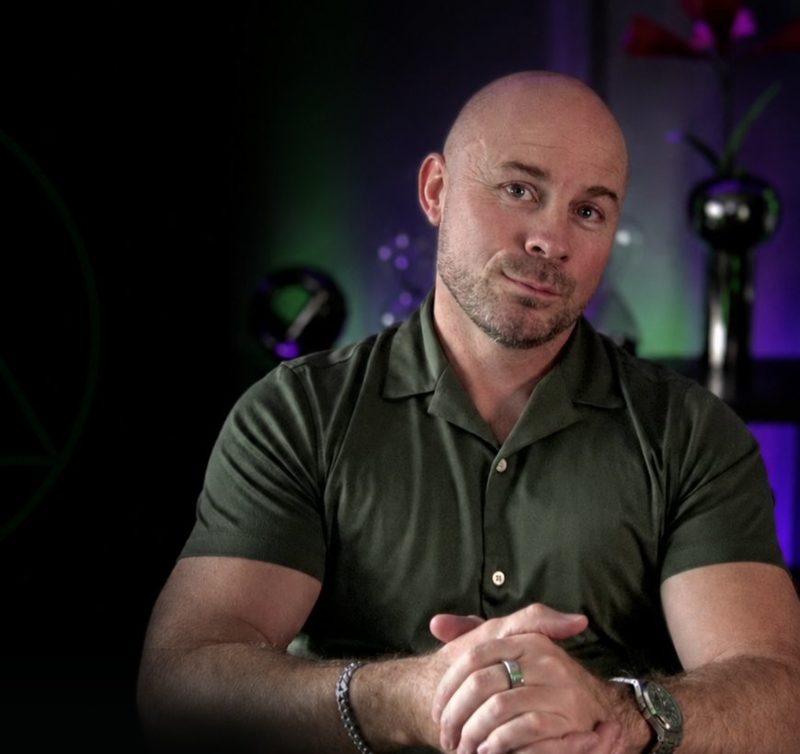
If you’ve tried to talk yourself out of this fear and it hasn’t worked, that isn’t a lack of willpower. A phobia is an alarm your mind learned, and logic alone rarely switches it off.
Fear of an operation is rarely one single worry, so over Zoom we tease apart which part is really driving it, whether that is the anaesthetic, the loss of control, pain or an old hospital memory. Using hypnotherapy and NLP, we rehearse the day in your mind, from arriving at the hospital to drifting off calmly and waking up in recovery, so your body learns a gentler response. I also give you simple tools to use in the days before and on the morning itself. Many clients find they go into their operation feeling far more settled, and I always encourage you to keep talking to your medical team.
I’ve spent 17 years in clinical practice and helped more than 1,000 people with phobias. I hold a Postgraduate Certificate and a Postgraduate Diploma in Clinical Hypnotherapy, both with Distinction.
Please note: If you have an operation coming up, please keep talking to your surgeon or GP and let them know how you are feeling.
Common questions
Is it normal to be scared before an operation?
Yes, it is very common to feel anxious before surgery, whatever the procedure. It only becomes a bigger problem when it causes panic, stops you sleeping for weeks or makes you want to cancel treatment you need. Telling your medical team how you feel is a good first step.
Can I tell the anaesthetist I am frightened?
Yes, and you should. Anaesthetists meet anxious patients every day and can explain what will happen and what support may be available. Mention any fear of needles too, so the team can plan around it.
Can hypnotherapy help with fear of surgery?
Many people use hypnotherapy to help with the anxiety around surgery, such as worry about the anaesthetic, the hospital or recovery. It works alongside your medical care, not instead of it, so keep your surgeon and GP informed.
Can hypnotherapy help before an operation?
It can help with the anxiety around surgery, such as worry about the hospital, the anaesthetic or being out of control. It works alongside your medical care, never in place of it.
How can you help?
I use hypnotherapy and NLP to change how your mind responds to the thing you fear, so the old alarm stops going off. Sessions are one to one over Zoom, and you get a recording of the hypnosis to listen to afterwards.
How many sessions will I need?
Many clients notice a real difference after one 90 minute session. If the fear goes back a long way, three sessions gives us room to make the change stick.
Further reading: PMC: Tomophobia, a case report · Healthline: Tomophobia · Medical News Today: Tomophobia · NHS: General anaesthesia
Ready to start?
A short call is the simplest next step. We’ll talk about your fear, what you’d like to feel instead, and whether I’m the right person to help.
- Take the free test at the top of this page to see how strong your fear is.
- Book a 30 minute call. Use code PHOBIA at checkout for half price: £24.50 instead of £49 ($29.50 outside the UK).
- Start your sessions over Zoom from wherever you live, or face to face in Hertfordshire.
See all session options and prices