
Fear of swallowing (phagophobia)
En español: lee sobre este miedo en Fobias.org.
A fear of swallowing can make meals, tablets and even sips of water feel stressful. It is closely linked to a fear of choking, and it can be helped.
Many people find that with the right help, meals, tablets and sips of water become calmer, one swallow at a time.
Use code PHOBIA at checkout for half price: £24.50 instead of £49. Outside the UK? $29.50.
Understanding this fear
Phagophobia is a fear of swallowing. Food, drinks or tablets can feel as if they might get stuck or go down the wrong way, so each swallow becomes something you watch and brace for. Most people swallow all day long without a thought, but with this fear an automatic process starts to feel deliberate and risky. It differs from a medical swallowing problem, called dysphagia, because the difficulty is driven by fear rather than by something physically wrong.
It can begin at any age and is often linked to a choking scare, either your own or one you saw happen to someone else. Some people also notice a lump-in-the-throat feeling, known as globus, which can feed the worry. Clinicians stress that physical causes need ruling out first, so a GP check is always the starting point. It often overlaps with panic, health anxiety and social anxiety, and in some people it affects how much they eat.
Common triggers
- Dry or crumbly foods
- Foods with bones, skins or mixed textures
- Large tablets or capsules
- A feeling of tightness in the throat
- The memory of a past choking scare
- Seeing someone else cough or choke
- Eating when rushed or stressed
- Being watched while eating
Where it shows up
- Restaurants and cafes
- Family meals and celebrations
- Work lunches and canteens
- School dinners
- Weddings and parties with buffets
- Taking tablets at home
Symptoms
In your body
- Tight or closing feeling in the throat
- Lump-in-the-throat sensation
- Racing heart as food nears the mouth
- Sweating or trembling during meals
- Gagging or difficulty starting a swallow
- Nausea and a dry mouth
In your mind
- This will get stuck and I will not be able to breathe
- Dread building as mealtime gets closer
- Constant focus on the mechanics of swallowing
- Embarrassment about eating in front of others
- Worry that something is physically wrong
What you might do
- Sticking to soft foods or drinks
- Drinking after every mouthful
- Avoiding eating in public
- Avoiding tablets or asking for liquid versions
- Skipping meals when anxious
- Asking others for reassurance about the throat
What causes it
Very often the fear starts after a choking episode or a moment when food felt stuck, especially if it happened during a stressful time. Watching someone else choke, or hearing about a frightening incident, can have the same effect. Anxiety itself tightens the muscles of the throat and dries the mouth, which makes swallowing feel harder and seems to confirm the danger. Panic attacks during meals can link eating with fear, and the more you focus on swallowing, the less automatic it feels. Avoiding certain foods brings short-term relief, but it teaches the brain that those foods really were dangerous.
How it can affect your life
Meals are part of everyday life, so this fear can touch almost everything. People may turn down meals out, dread work events or family occasions, and feel lonely or embarrassed. Some find it hard to take medicine they need. If it leads to eating less, it can affect weight, energy and health, which is why medical support matters.
Things that can help day to day
- Breathe slowly and let your shoulders drop before you start eating
- Eat with someone you feel relaxed with, at an unhurried pace
- Remind yourself that anxiety can make the throat feel tight
- Keep a short note of worries around meals to share with your GP or therapist
- Ask your pharmacist whether a medicine comes in another form if tablets are hard
When to get help
Please see your GP if you have pain, real difficulty swallowing or food sticking, or if you are eating less or losing weight, so any physical cause can be checked. Your GP may refer you to a specialist such as a speech and language therapist. It is also worth getting help if the fear is limiting what you eat or where you go. If eating has become a wider struggle, the eating disorder charity Beat offers support too.
How I can help
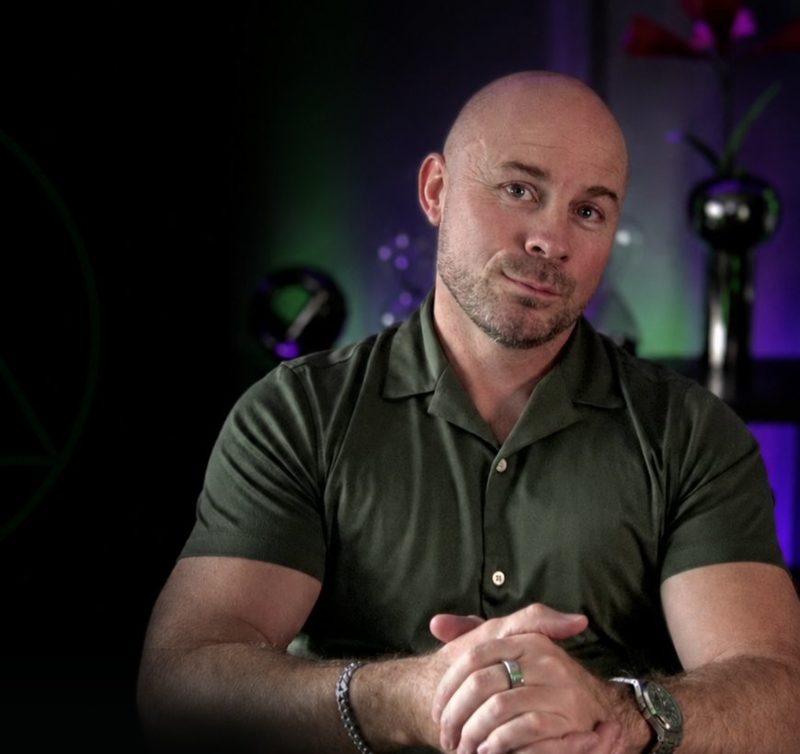
If you’ve tried to talk yourself out of this fear and it hasn’t worked, that isn’t a lack of willpower. A phobia is an alarm your mind learned, and logic alone rarely switches it off.
I always ask that your GP has ruled out any physical cause before we start. Over Zoom, we look at where the fear began, often a single frightening moment, and I use NLP to take the charge out of that memory. In hypnosis, you rehearse calm, easy meals in your mind, so your throat and body learn to relax rather than brace. Many clients find that eating starts to feel more automatic again and the dread before meals eases.
I’ve spent 17 years in clinical practice and helped more than 1,000 people with phobias. I hold a Postgraduate Certificate and a Postgraduate Diploma in Clinical Hypnotherapy, both with Distinction.
Please note: If you have pain, real difficulty swallowing or unexplained weight loss, please see your GP first so any physical cause can be ruled out.
Common questions
Can anxiety make it feel hard to swallow?
Yes. Anxiety can tighten the throat muscles and dry the mouth, which makes swallowing feel more effortful. A GP should still check any swallowing difficulty to rule out a physical cause.
What is the lump in my throat feeling?
Many people with swallowing anxiety notice a lump-in-the-throat sensation, sometimes called globus. It can be linked to anxiety, but please ask your GP to check it rather than assuming.
Is a fear of swallowing an eating disorder?
No, though the two can overlap. Phagophobia is driven by fear of the act of swallowing rather than by weight or body image. If it is affecting how much you eat, please speak to your GP.
Is a fear of swallowing the same as a fear of choking?
They are closely related. Some people fear choking, while others fear the act of swallowing itself, even when food goes down normally. Either way, the anxiety can be eased once your body learns it is safe.
How can you help?
I use hypnotherapy and NLP to change how your mind responds to the thing you fear, so the old alarm stops going off. Sessions are one to one over Zoom, and you get a recording of the hypnosis to listen to afterwards.
How many sessions will I need?
Many clients notice a real difference after one 90 minute session. If the fear goes back a long way, three sessions gives us room to make the change stick.
Further reading: Osmosis: Phagophobia · Baptist Health: Swallowing anxiety · BSCH: Phagophobia case report
Ready to start?
A short call is the simplest next step. We’ll talk about your fear, what you’d like to feel instead, and whether I’m the right person to help.
- Take the free test at the top of this page to see how strong your fear is.
- Book a 30 minute call. Use code PHOBIA at checkout for half price: £24.50 instead of £49 ($29.50 outside the UK).
- Start your sessions over Zoom from wherever you live, or face to face in Hertfordshire.
See all session options and prices