
Fear of syphilis (luiphobia)
Luiphobia is a fear of syphilis, a sexually transmitted infection. Someone with this fear may worry about catching it after any close contact, or read too much into minor skin changes. Any symptoms or concerns are best checked with a GP or a sexual health clinic, where testing is simple and confidential.
Many people find that with the right help, and with sensible checks from a sexual health clinic, the worry eases and they can get on with life.
Use code PHOBIA at checkout for half price: £24.50 instead of £49. Outside the UK? $29.50.
About this phobia
The name comes from lues, an old medical name for syphilis. The term is mainly historical, from a time when the illness was common and greatly feared, and it is rarely used today. Now it would usually be seen as a form of health anxiety focused on one infection.
How it shows up
Worry about sexual health is common, especially at the start of a new relationship, but luiphobia keeps that worry running long after it should settle. Someone with this fear may check their body often, read about symptoms late into the night, or feel sure that a clear test must have been wrong. Some avoid intimacy altogether in case of infection. The fear tends to be fed by shame as well as health worry, which can make it hard to talk about.
Common triggers
- A new partner or relationship
- A small spot, sore or rash
- Sexual health campaigns or adverts
- Reading symptom lists online
- Waiting for test results
- Historical stories about the illness
- Hearing about a friend’s diagnosis
Where it shows up
- Sexual health clinics and GP surgeries
- The bathroom mirror
- Online forums and symptom checkers
- Dating and new relationships
- Late at night when alone
- Holidays and nights out
Symptoms
In your body
- Racing heart when noticing a mark
- Sweating
- Churning stomach
- Trouble sleeping
- Tense muscles
In your mind
- Distrust of clear test results
- Shame or guilt
- Constant scanning for symptoms
- Going over past contacts in detail
What you might do
- Repeated testing or checking
- Avoiding intimacy
- Searching symptoms online for hours
- Asking a partner or doctor for reassurance again and again
What may cause it
There is little modern research on luiphobia as a separate fear. Its history is tied to times when the illness was common and feared, and some of that stigma lingers. Today it is usually seen as health anxiety centred on one infection, often linked with guilt, a past scare or a strict view of sex. Checking and reassurance bring brief relief, but the doubt often comes back stronger.
How it can affect your life
The fear can strain relationships and make closeness feel risky. Time spent checking, testing and searching can also leave people tired and on edge. Some people find it hard to start new relationships at all, which can leave them feeling lonely.
Related fears
- Health anxiety
- Fear of sexually transmitted infections (venereophobia)
- Fear of germs (mysophobia)
- Fear of intimacy
Things that can help day to day
- Follow the testing advice of a sexual health clinic, then trust the result
- Limit online symptom searches
- Talk honestly with a partner or close friend about the worry
- Notice the urge to check and wait a while before acting on it
When to get help
Any symptoms should be checked by your GP or a sexual health clinic, where care is confidential. If the fear stays after testing, a therapist experienced with health anxiety can help.
Explore more unusual fears in the rare phobias A to Z, or browse the common phobias.
About me
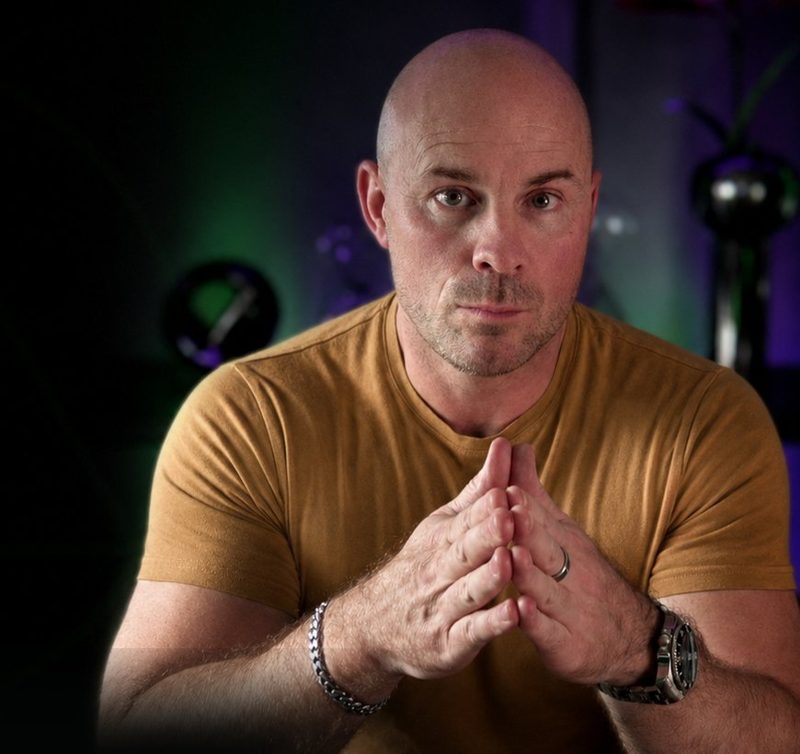
If you’ve tried to talk yourself out of this fear and it hasn’t worked, that isn’t a lack of willpower. A phobia is an alarm your mind learned, and logic alone rarely switches it off.
When a fear is less common, it can be harder to explain, so you may not have told many people about it. I work one to one over Zoom with people whose fears are holding them back, including rarer ones like this, and every plan starts with understanding what your fear is really about.
I’ve spent 17 years in clinical practice and helped more than 1,000 people with phobias. I hold a Postgraduate Certificate and a Postgraduate Diploma in Clinical Hypnotherapy, both with Distinction, and journalists and clients call me the Phobia Guru.
Common questions
Can a fear of syphilis carry on after a negative test?
Yes. With health anxiety, the relief after a clear result can fade quickly and the doubt returns. If this happens, a GP can help with both the physical questions and the worry itself.
How can you help?
I use hypnotherapy and NLP to change how your mind responds to the thing you fear, so the old alarm stops going off. Sessions are one to one over Zoom, and you get a recording of the hypnosis to listen to afterwards.
How many sessions will I need?
Many clients notice a real difference after one 90 minute session. If the fear goes back a long way, three sessions gives us room to make the change stick.
Further reading: NHS: Syphilis · NHS: Health anxiety · NHS: Phobias
Ready to start?
A short call is the simplest next step. We’ll talk about your fear, what you’d like to feel instead, and whether I’m the right person to help.
- Take the free test at the top of this page to see how strong your fear is.
- Book a 30 minute call. Use code PHOBIA at checkout for half price: £24.50 instead of £49 ($29.50 outside the UK).
- Start your sessions over Zoom from wherever you live, or face to face in Hertfordshire.
See all session options and prices