
Fear of tapeworms (taeniophobia)
Taeniophobia is a fear of tapeworms, often centred on the idea of catching one or having one inside the body. People with this fear may inspect food closely, worry after eating out, or feel distressed by pictures or talk of parasites. If you have real symptoms that worry you, it is best to check them with a GP.
You can take sensible care with food without the worry running your days. Many people find that with the right help, the checking eases.
Use code PHOBIA at checkout for half price: £24.50 instead of £49. Outside the UK? $29.50.
About this phobia
The term is linked to Taenia, the scientific name for a group of tapeworms, and is also written teniophobia. It is a rare list term rather than a recognised clinical label. It sits close to parasitophobia, a fear of parasites in general, and to wider health anxiety.
How it shows up
Most people find the idea of a tapeworm unpleasant, and a moment of disgust is natural. In taeniophobia the thought keeps coming back and brings genuine fear, so that a meal, a stomach twinge or a nature documentary can set off hours of worry. Some people become convinced they already have a worm despite reassurance, while others focus on blocking every possible source. The fear goes beyond normal food hygiene and starts to limit what, where and with whom someone feels able to eat.
Common triggers
- Pictures or videos of parasites
- News stories about tapeworms
- Meat or fish prepared by someone else
- Unexplained tummy aches
- Travel to places with different food hygiene
- Pets and talk of worming treatments
Where it shows up
- Restaurants and takeaways
- Barbecues and buffets
- Holidays abroad
- The vet surgery
- Late at night searching symptoms online
Symptoms
In your body
- Nausea at the thought of certain foods
- Tummy discomfort that worry makes worse
- Racing heart
- A crawling feeling on the skin
- Losing appetite during anxious spells
In your mind
- Repeated thoughts of something living inside you
- Doubting reassurance from others
- Scanning the body for signs
- Disgust that is hard to shake off
What you might do
- Checking food over and over
- Avoiding eating out
- Searching symptoms online
- Asking for tests or reassurance repeatedly
What may cause it
Almost nothing has been written about taeniophobia on its own, so it is best understood alongside parasite fears and health anxiety. A strong disgust response, a vivid image or story, or a past stomach bug can all set the fear in motion. Paying close attention to the body then makes normal gut sensations seem like evidence. Checking and reassurance bring brief relief, which keeps the cycle turning.
How it can affect your life
Meals out, travel and shared food can become tense, and some people quietly drop foods they used to enjoy. The worry can take up a lot of time and make it hard to relax around eating, especially with others. Partners and family may also tire of being asked whether food is safe, which can add strain at home.
Related fears
- Fear of parasites (parasitophobia)
- Fear of worms (vermiphobia)
- Health anxiety
- Fear of germs (mysophobia)
Things that can help day to day
- Follow normal food safety advice and then let it be
- Limit symptom searching or stop it altogether
- Treat disgust as a feeling that rises and falls
- Talk the worry through with someone calm
When to get help
Speak to a GP about any real symptoms, and also if you are eating much less than usual or losing weight. If the fear is taking over your thoughts, a GP or therapist can help you find support.
Explore more unusual fears in the rare phobias A to Z, or browse the common phobias.
About me
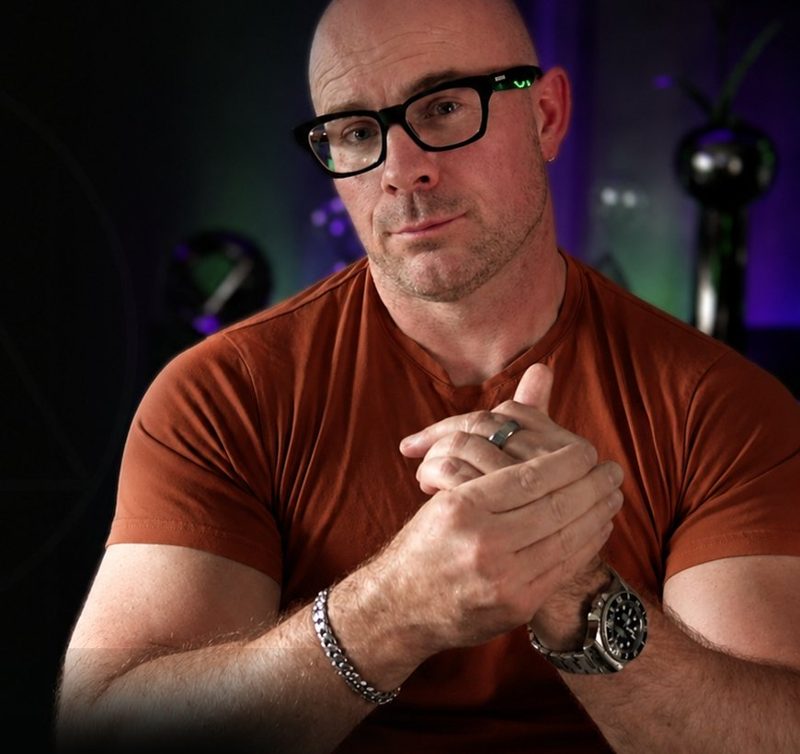
If you’ve tried to talk yourself out of this fear and it hasn’t worked, that isn’t a lack of willpower. A phobia is an alarm your mind learned, and logic alone rarely switches it off.
When a fear is less common, it can be harder to explain, so you may not have told many people about it. I work one to one over Zoom with people whose fears are holding them back, including rarer ones like this, and every plan starts with understanding what your fear is really about.
I’ve spent 17 years in clinical practice and helped more than 1,000 people with phobias. I hold a Postgraduate Certificate and a Postgraduate Diploma in Clinical Hypnotherapy, both with Distinction, and journalists and clients call me the Phobia Guru.
Common questions
How do I know if my fear of tapeworms is a phobia?
Sensible care with food hygiene is normal, but a phobia tends to take up a lot of thought and leads to avoidance that gets in the way of daily life. If the worry means eating much less or losing weight, speak to a GP, who can also check any symptoms properly.
How can you help?
I use hypnotherapy and NLP to change how your mind responds to the thing you fear, so the old alarm stops going off. Sessions are one to one over Zoom, and you get a recording of the hypnosis to listen to afterwards.
How many sessions will I need?
Many clients notice a real difference after one 90 minute session. If the fear goes back a long way, three sessions gives us room to make the change stick.
Further reading: NHS: Worms in humans · NHS: Health anxiety · NHS: Phobias
Ready to start?
A short call is the simplest next step. We’ll talk about your fear, what you’d like to feel instead, and whether I’m the right person to help.
- Take the free test at the top of this page to see how strong your fear is.
- Book a 30 minute call. Use code PHOBIA at checkout for half price: £24.50 instead of £49 ($29.50 outside the UK).
- Start your sessions over Zoom from wherever you live, or face to face in Hertfordshire.
See all session options and prices