
Fear of taste (geumophobia)
Geumophobia is a fear of taste, or of tasting things. It might mean sticking to a few familiar flavours, dreading new or strong tastes, or feeling anxious before eating something unknown. If it means eating much less or losing weight, speak to a GP.
Many people find that with the right help, trying a new flavour or a meal out feels possible and even enjoyable.
Use code PHOBIA at checkout for half price: £24.50 instead of £49. Outside the UK? $29.50.
About this phobia
Geumophobia is a rarely reported term found mainly on lists of phobias, with very little clinical writing about it. It sits near better-known patterns such as cibophobia, a fear of food, and food neophobia, a reluctance to try new foods. A sudden change in how things taste can have medical causes, so that is always worth checking with a GP.
How it shows up
Some people are fussy eaters, but geumophobia goes further, with real anxiety about what a flavour might feel like. A new sauce, a strong spice or even a different brand of a usual food can bring dread before the first bite. Some worry most about bitter or sour flavours, while others fear any taste that is not already known. Because food is so often shared, the fear tends to reach into social life too.
Common triggers
- New or unfamiliar dishes
- Strong spices and bitter flavours
- Mixed textures and mystery sauces
- Medicines with a strong taste
- Being watched while trying something
- A change in a familiar recipe or brand
- Tasting samples offered in shops
Where it shows up
- Restaurants and takeaways
- Family meals and dinner parties
- Work lunches and events
- Holidays abroad
- School or work canteens
- Birthday parties and buffets
Symptoms
In your body
- Gagging or a tight throat
- Nausea
- Dry mouth
- Racing heart before eating
- Watering eyes
In your mind
- Expecting a taste to be unbearable
- Worry about being sick
- Embarrassment about limited choices
What you might do
- Sticking to a few safe foods
- Checking menus well in advance
- Avoiding eating out
- Bringing your own food to events
What may cause it
Geumophobia itself has barely been studied, but research on food neophobia, a reluctance to try new foods, gives some pointers. That reluctance is common in childhood and can last into adult life, sometimes linked to sensory sensitivity, a past choking or sickness episode, or general anxiety. Each time a new taste is avoided, the worry eases for a moment, which can keep the pattern going. A sudden change in how things taste may have a physical cause and is always worth having checked.
How it can affect your life
The fear can make social meals and travel stressful and may leave people feeling left out when friends want to try somewhere new. Over time, a very narrow range of foods can affect energy and health. It can also cause tension at family mealtimes.
Related fears
- Fear of food (cibophobia)
- Reluctance to try new foods (food neophobia)
- Avoidant restrictive food intake disorder (ARFID)
- Fear of vomiting (emetophobia)
Things that can help day to day
- Try a tiny taste of something new alongside a safe food
- Give yourself permission to stop if a taste is too much
- Eat with people who will not comment on your plate
- Look at photos and menus of new dishes before trying them
When to get help
If this fear means you are eating much less, losing weight or feeling unwell, see your GP. Any sudden change in how things taste should also be checked by a GP.
Explore more unusual fears in the rare phobias A to Z, or browse the common phobias.
About me
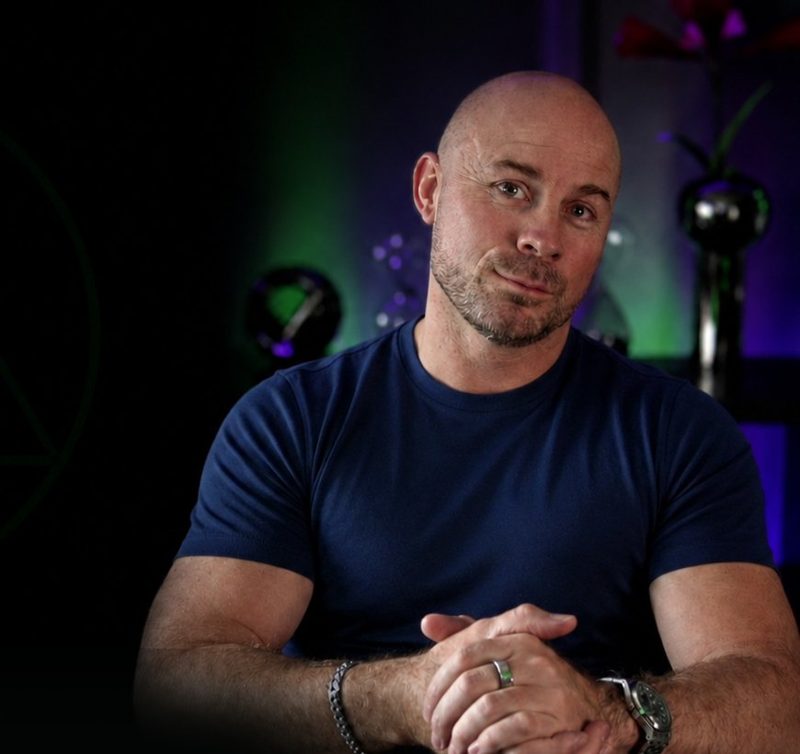
If you’ve tried to talk yourself out of this fear and it hasn’t worked, that isn’t a lack of willpower. A phobia is an alarm your mind learned, and logic alone rarely switches it off.
When a fear is less common, it can be harder to explain, so you may not have told many people about it. I work one to one over Zoom with people whose fears are holding them back, including rarer ones like this, and every plan starts with understanding what your fear is really about.
I’ve spent 17 years in clinical practice and helped more than 1,000 people with phobias. I hold a Postgraduate Certificate and a Postgraduate Diploma in Clinical Hypnotherapy, both with Distinction, and journalists and clients call me the Phobia Guru.
Common questions
Is fear of taste the same as being a fussy eater?
There can be overlap, but a phobia involves real anxiety rather than simple dislike. Some adults with a very limited range of foods may be experiencing something more specific, such as ARFID, which a GP can assess. Asking for help is reasonable at any age.
How can you help?
I use hypnotherapy and NLP to change how your mind responds to the thing you fear, so the old alarm stops going off. Sessions are one to one over Zoom, and you get a recording of the hypnosis to listen to afterwards.
How many sessions will I need?
Many clients notice a real difference after one 90 minute session. If the fear goes back a long way, three sessions gives us room to make the change stick.
Further reading: Food Neophobia and Avoidant/Restrictive Food Intake among Adults and Related Factors, PubMed Central
Ready to start?
A short call is the simplest next step. We’ll talk about your fear, what you’d like to feel instead, and whether I’m the right person to help.
- Take the free test at the top of this page to see how strong your fear is.
- Book a 30 minute call. Use code PHOBIA at checkout for half price: £24.50 instead of £49 ($29.50 outside the UK).
- Start your sessions over Zoom from wherever you live, or face to face in Hertfordshire.
See all session options and prices