
Fear of termites (isopterophobia)
Isopterophobia is a fear of termites, the small wood-eating insects that live in huge colonies. Because termites are rarely seen in the UK, the fear often shows up when planning trips to warmer countries, watching nature programmes, or worrying about damage to the timber in a home.
Many people find that with the right help, the worry about termites settles and home feels solid and safe.
Use code PHOBIA at checkout for half price: £24.50 instead of £49. Outside the UK? $29.50.
About this phobia
The name comes from Isoptera, the scientific order termites were long placed in. It is not a recognised clinical diagnosis and appears mostly on lists of phobias, but it sits under the broader and well documented fear of insects, known as entomophobia.
How it shows up
For most people in Britain, termites are something glimpsed on a wildlife documentary and quickly forgotten. Someone with this fear may find the image of a seething mound stays with them, or that a creak in old floorboards starts a run of worried thoughts about hidden insects eating the house. What sets it apart from ordinary dislike is how much room it takes up, from checking skirting boards to ruling out holiday destinations. The reaction is out of step with the real risk, and the person often knows that, which can add embarrassment to the worry.
Common triggers
- Close-up footage of a termite mound or swarm
- Flying insects gathering around a light in warm weather
- Soft or hollow-sounding wood in the home
- News stories about pest damage abroad
- Holiday plans to tropical or hot countries
- Small piles of sawdust or crumbling timber
Where it shows up
- Watching nature programmes at home
- Older houses with timber floors or beams
- Holidays in warm climates
- Zoos and insect houses
- Garden sheds and log piles
Symptoms
In your body
- Skin crawling or a sudden urge to scratch
- Racing heart
- Tight chest or shallow breathing
- Feeling hot or shaky
In your mind
- Picturing insects hidden inside walls or furniture
- Repeated what if thoughts about damage
- Trouble switching off at bedtime
What you might do
- Checking woodwork again and again
- Turning off programmes or looking away
- Avoiding certain travel destinations
- Seeking reassurance from others or online
What may cause it
There is almost no research on a fear of termites in particular, so it makes sense to look at what is known about insect fears more widely. These often begin with a startling experience, an upsetting image seen in childhood, or picking up a parent’s strong reaction to bugs. Ideas of swarming, unseen damage and losing control over the home can make termites especially unsettling for some people. Avoidance and checking bring short-term relief, which tends to keep the fear going over time.
How it can affect your life
In the UK the fear may stay quiet for long spells, then flare when buying or renting an older property, planning a trip abroad or watching television with family. Some people spend a lot of time inspecting their home or fretting about the cost of damage that has never happened.
Related fears
- Fear of insects (entomophobia)
- Fear of ants (myrmecophobia)
- Fear of animals (zoophobia)
Things that can help day to day
- Read plain facts about termites and the UK from a reputable source
- Look at drawings, then photos, for short spells and build up slowly
- Use slow breathing with a longer breath out when worry rises
- Set a limit on checking the house, such as once a week
When to get help
If the fear is shaping where you travel, where you live or how well you sleep, it is worth talking to a therapist who works with phobias. Insect fears often ease with gradual, guided work.
Explore more unusual fears in the rare phobias A to Z, or browse the common phobias.
About me
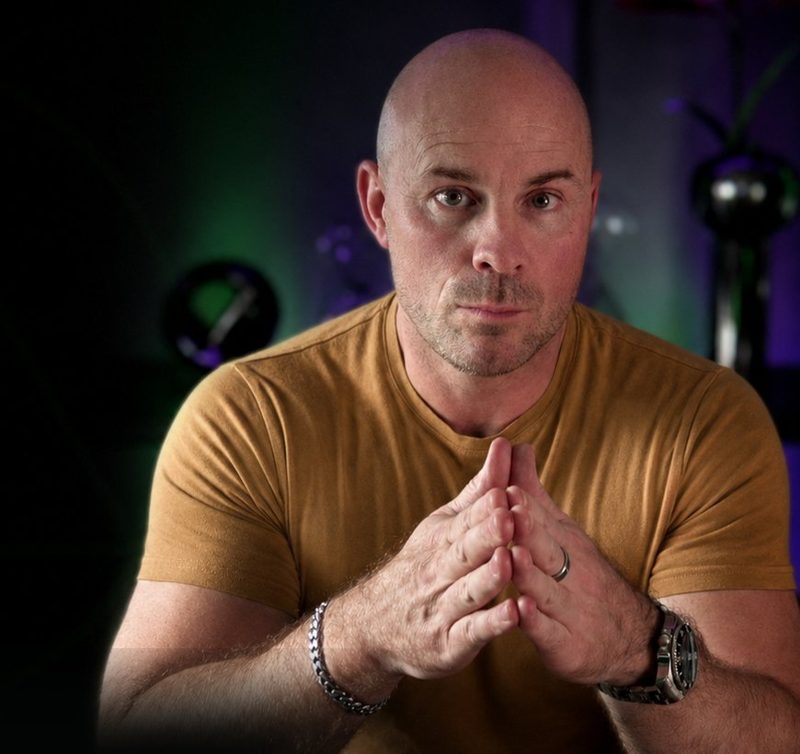
If you’ve tried to talk yourself out of this fear and it hasn’t worked, that isn’t a lack of willpower. A phobia is an alarm your mind learned, and logic alone rarely switches it off.
When a fear is less common, it can be harder to explain, so you may not have told many people about it. I work one to one over Zoom with people whose fears are holding them back, including rarer ones like this, and every plan starts with understanding what your fear is really about.
I’ve spent 17 years in clinical practice and helped more than 1,000 people with phobias. I hold a Postgraduate Certificate and a Postgraduate Diploma in Clinical Hypnotherapy, both with Distinction, and journalists and clients call me the Phobia Guru.
Common questions
Are there termites in the UK?
Termites are not a normal part of UK wildlife, and finding them here is very unusual. Even so, a fear does not need a local threat to feel real, and pictures, films or travel plans can be enough to set it off.
How can you help?
I use hypnotherapy and NLP to change how your mind responds to the thing you fear, so the old alarm stops going off. Sessions are one to one over Zoom, and you get a recording of the hypnosis to listen to afterwards.
How many sessions will I need?
Many clients notice a real difference after one 90 minute session. If the fear goes back a long way, three sessions gives us room to make the change stick.
Further reading: Entomophobia (Wikipedia) · 11 Lesser-Known Animal Phobias (Mental Floss)
Ready to start?
A short call is the simplest next step. We’ll talk about your fear, what you’d like to feel instead, and whether I’m the right person to help.
- Take the free test at the top of this page to see how strong your fear is.
- Book a 30 minute call. Use code PHOBIA at checkout for half price: £24.50 instead of £49 ($29.50 outside the UK).
- Start your sessions over Zoom from wherever you live, or face to face in Hertfordshire.
See all session options and prices