
Fear of tests (testophobia)
En español: lee sobre este miedo en Fobias.org.
A fear of tests can show up before exams, driving tests, job assessments or any time you are being marked. Your mind can go blank just when you need it most, and it can be helped.
Many people find that with the right help, they can walk into an exam or a driving test feeling steady and show what they know.
Use code PHOBIA at checkout for half price: £24.50 instead of £49. Outside the UK? $29.50.
Understanding this fear
A fear of tests is a strong dread of being tested, marked or assessed. A little nervousness before an exam can sharpen your focus, but with this fear the anxiety is so strong that it gets in the way, so your mind goes blank or your hands shake even though you know the material. Testophobia is a modern word rather than a formal diagnosis, and it is closely related to what psychologists call test anxiety. It can affect school exams, driving tests, job assessments and work appraisals.
Test anxiety appears to be common, and some researchers suggest that between a quarter and two fifths of students are affected to some degree. It tends to have two parts: worried thoughts about failing and what others will think, and a strong body reaction such as a racing heart. It can start after one bad result or a test that went wrong, and it often goes hand in hand with perfectionism, pressure to do well or a fear of letting people down. It affects adults as well as children.
Common triggers
- Exam timetables and test dates being announced
- Revision that never feels finished
- Walking into an exam hall or test centre
- Turning over the paper or starting the clock
- Seeing a question you do not recognise
- Someone watching or marking you
- Comparing yourself with classmates or colleagues
- Waiting for results
Where it shows up
- School and college exam halls
- University assessments and vivas
- Driving test centres
- Job interviews and recruitment assessments
- Professional and work qualifications
- Music grades and sports trials
- Online tests at home
Symptoms
In your body
- Racing heart and quick breathing
- Headaches or stomach aches
- Nausea or needing the toilet
- Sweaty hands and shaking
- Dry mouth
- Trouble sleeping the night before
In your mind
- My mind has gone blank
- Everyone else knows this and I do not
- If I fail, I will let everyone down
- Struggling to concentrate or read the question properly
- Believing a result decides your worth
- Replaying past tests that went badly
What you might do
- Putting off revision because it feels overwhelming
- Revising late into the night
- Seeking reassurance again and again
- Calling in sick or missing tests
- Rushing through the paper to get out quickly
- Picking over every answer with friends afterwards
What causes it
Test anxiety often grows from a fear of failure, sometimes fuelled by a past bad result or a moment when your mind went blank. Pressure from family, school or work can add to it, and research suggests that pressure from parents in particular is linked with more worry and stronger body symptoms. Perfectionism, harsh self-talk and comparing yourself with others all feed the fear, while poor sleep, last minute cramming and strict time limits can make the body’s alarm louder. Once you have had one bad experience, worrying that it will happen again raises anxiety the next time, which creates a cycle.
How it can affect your life
This fear can mean results do not reflect what you actually know, which can affect grades, university places, careers and confidence. Some people avoid courses, promotions or learning to drive because they would need to pass a test. The weeks before an exam can bring poor sleep, irritability and tension at home. Over time it can shape how a young person feels about school and about themselves.
Things that can help day to day
- Make a realistic revision plan with regular breaks rather than cramming the night before
- Learn one simple calming breath, such as breathing in for four and out for six, to use in the exam room
- Catch harsh thoughts such as I am going to fail and swap them for something more balanced and true
- Do practice papers under timed conditions so the real test feels familiar
- Protect your sleep and meals, and go easy on caffeine on test days
When to get help
It is worth getting help if the fear is stopping you sitting tests, if your mind regularly goes blank despite good preparation, or if worry about exams is affecting sleep, eating or mood. Parents can talk to the school about support and access arrangements, and a GP is a good first port of call if anxiety is affecting daily life. If a young person’s mood is very low, their GP or Samaritans on 116 123 can help.
How I can help
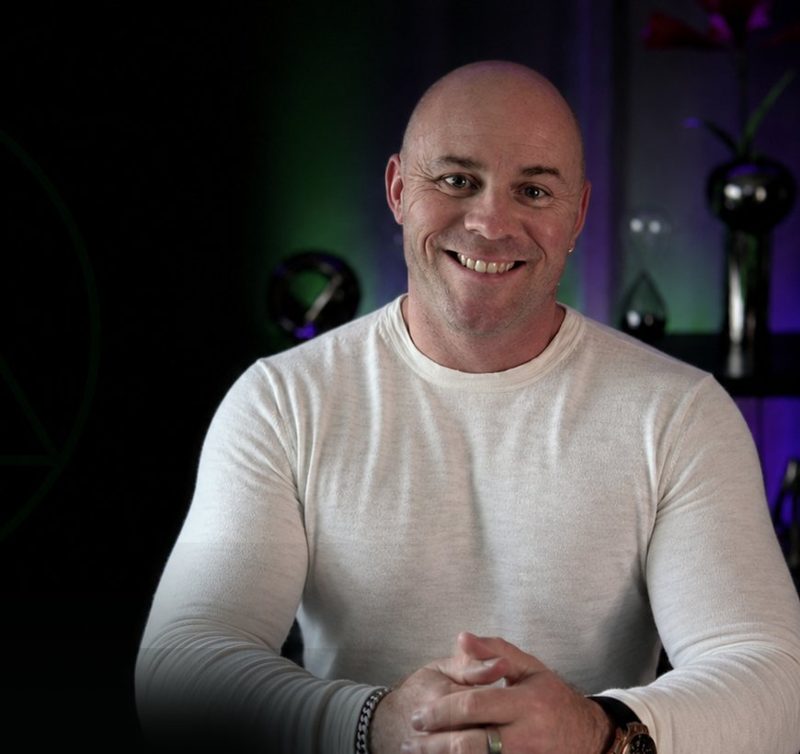
If you’ve tried to talk yourself out of this fear and it hasn’t worked, that isn’t a lack of willpower. A phobia is an alarm your mind learned, and logic alone rarely switches it off.
Most test fears are less about the exam than about failing, being judged or letting someone down, and that is where I begin over Zoom. Using hypnotherapy and NLP, we rehearse the test day in your mind, walking in, reading the first question and staying calm and clear, so your mind learns that being assessed is not a threat. I also teach simple anchors you can use in the room to settle your body and bring your memory back. Many clients find they can show what they actually know, whether that is in an exam hall or on a driving test.
I’ve spent 17 years in clinical practice and helped more than 1,000 people with phobias. I hold a Postgraduate Certificate and a Postgraduate Diploma in Clinical Hypnotherapy, both with Distinction.
Common questions
Why does my mind go blank in exams?
When anxiety rises, the body’s alarm can crowd out clear thinking, making it hard to recall things you know well. This is a common part of test anxiety, not a sign that you have not prepared. Calming the body first often helps the memory come back.
How can I help my child with exam anxiety?
Listen calmly, keep expectations realistic and remind them that results do not define their worth. Help them plan revision with breaks, sleep and time for things they enjoy. If the anxiety is severe or lasting, speak to the school and your GP.
Can adults have test anxiety?
Yes, it is common in adults facing driving tests, job assessments, professional exams or work appraisals. The same patterns of worry and body reaction apply. It can be eased at any age.
Is testophobia the same as exam anxiety?
It is very close. Testophobia is a modern word, not a formal diagnosis, and it describes strong fear of being tested. The feelings are real whatever we call them, and they can be eased.
How can you help?
I use hypnotherapy and NLP to change how your mind responds to the thing you fear, so the old alarm stops going off. Sessions are one to one over Zoom, and you get a recording of the hypnosis to listen to afterwards.
How many sessions will I need?
Many clients notice a real difference after one 90 minute session. If the fear goes back a long way, three sessions gives us room to make the change stick.
Further reading: Young Minds: Exam stress · Queen Mary University of London: Tackling exam anxiety · Wikipedia: Test anxiety
Ready to start?
A short call is the simplest next step. We’ll talk about your fear, what you’d like to feel instead, and whether I’m the right person to help.
- Take the free test at the top of this page to see how strong your fear is.
- Book a 30 minute call. Use code PHOBIA at checkout for half price: £24.50 instead of £49 ($29.50 outside the UK).
- Start your sessions over Zoom from wherever you live, or face to face in Hertfordshire.
See all session options and prices