
Fear of tetanus (tetanophobia)
En español: lee sobre este miedo en Fobias.org.
Tetanophobia is a fear of tetanus, sometimes called lockjaw. It can make small cuts, rusty metal or gardening feel alarming, and some people check wounds over and over or worry for days after a minor scrape. If you have a wound or symptoms that concern you, check with a GP or pharmacist.
Many people find that with the right help, and with their jabs up to date, a small cut becomes something they can clean and forget.
Use code PHOBIA at checkout for half price: £24.50 instead of £49. Outside the UK? $29.50.
About this phobia
Tetanus is a real and serious infection, and the jaw stiffness it can cause gave rise to the old name lockjaw. The phobia term itself appears mainly on lists rather than in clinical use. It is closely related to health anxiety and to fear of infection more generally.
How it shows up
Knowing that tetanus exists and keeping wounds clean is sensible. With tetanophobia, though, a scratch from a rose thorn or a brush against an old nail can set off a wave of fear that lasts for days. People may keep testing their jaw for stiffness, read about symptoms over and over, or avoid any task that might cause a small cut. The difference from ordinary care is that the worry carries on even after the wound has healed or a professional has offered reassurance.
Common triggers
- Rusty metal, nails or tools
- Cuts and scratches from gardening
- Animal scratches or bites
- Stepping on something sharp
- Jaw ache from other causes
- Reading about tetanus symptoms
- Old fences, gates and wire
Where it shows up
- Gardens and allotments
- DIY jobs and building work
- Beaches and fields
- Sheds and garages
- Surgery waiting rooms
- Parks and playgrounds
Symptoms
In your body
- Tight jaw or neck from worry
- Racing heart
- Sweating
- Feeling sick or lightheaded
In your mind
- Watching the body for early signs
- Imagining the worst after a small injury
- Doubting medical reassurance
- Struggling to think about anything else
What you might do
- Avoiding gardening or DIY
- Wearing gloves at all times
- Repeatedly checking or cleaning wounds
- Booking repeated appointments for reassurance
What may cause it
Tetanophobia has very little research behind it, so it is best seen as a focused form of health anxiety. Hearing about a serious case, a frightening injury or a vivid description of lockjaw can stick in the mind. Muscle tension from anxiety can then cause jaw or neck aches that feel like confirmation. Checking and searching online keep the fear switched on, because each new article offers another sign to watch for.
How it can affect your life
The fear can rule out gardening, DIY and outdoor hobbies, and turn small knocks into days of worry. It can also lead to frequent appointments and put strain on family members who are asked for reassurance. Some parents also hold children back from outdoor play, passing on a sense that everyday scrapes are dangerous.
Related fears
- Fear of illness (nosophobia)
- Fear of germs (mysophobia)
- Fear of injury (traumatophobia)
- Health anxiety
Things that can help day to day
- Ask your GP practice whether your vaccinations are up to date, then trust that answer
- Clean small cuts in the usual way and then stop checking
- Notice when anxiety tightens your jaw and let it soften
- Limit reading about symptoms
When to get help
Get advice from a GP, pharmacist or NHS 111 about any deep, dirty or worrying wound. If the fear keeps returning after small scrapes, a GP or therapist can help with the anxiety itself.
Explore more unusual fears in the rare phobias A to Z, or browse the common phobias.
About me
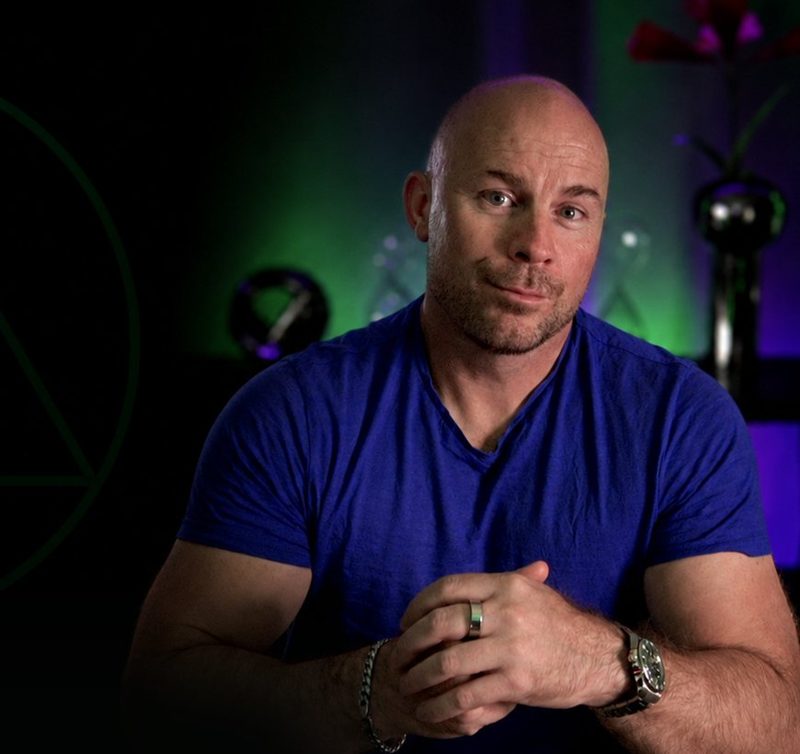
If you’ve tried to talk yourself out of this fear and it hasn’t worked, that isn’t a lack of willpower. A phobia is an alarm your mind learned, and logic alone rarely switches it off.
When a fear is less common, it can be harder to explain, so you may not have told many people about it. I work one to one over Zoom with people whose fears are holding them back, including rarer ones like this, and every plan starts with understanding what your fear is really about.
I’ve spent 17 years in clinical practice and helped more than 1,000 people with phobias. I hold a Postgraduate Certificate and a Postgraduate Diploma in Clinical Hypnotherapy, both with Distinction, and journalists and clients call me the Phobia Guru.
Common questions
Should I worry about tetanus after a small cut?
Most minor cuts heal without problems, and tetanus is rare in the UK thanks to vaccination. If you are unsure whether your vaccinations are up to date, or a wound looks dirty or deep, a GP, practice nurse or pharmacist can advise you.
How can you help?
I use hypnotherapy and NLP to change how your mind responds to the thing you fear, so the old alarm stops going off. Sessions are one to one over Zoom, and you get a recording of the hypnosis to listen to afterwards.
How many sessions will I need?
Many clients notice a real difference after one 90 minute session. If the fear goes back a long way, three sessions gives us room to make the change stick.
Further reading: NHS: Tetanus · NHS: Health anxiety · NHS: Phobias
Ready to start?
A short call is the simplest next step. We’ll talk about your fear, what you’d like to feel instead, and whether I’m the right person to help.
- Take the free test at the top of this page to see how strong your fear is.
- Book a 30 minute call. Use code PHOBIA at checkout for half price: £24.50 instead of £49 ($29.50 outside the UK).
- Start your sessions over Zoom from wherever you live, or face to face in Hertfordshire.
See all session options and prices