
Fear of the bogeyman (bogyphobia)
Bogyphobia is a fear of the bogeyman, the shadowy figure used in many homes to scare children into behaving. In children it can show up as fear of the dark, of the wardrobe or of what is under the bed. Some adults find the feeling never quite went away, especially at night.
Many people find that with the right help, the dark corners and bedtime stories lose their grip, and nights feel safe again.
Use code PHOBIA at checkout for half price: £24.50 instead of £49. Outside the UK? $29.50.
About this phobia
The name is built on bogy, an older spelling of bogey, as in bogeyman. It is not a recognised clinical term and is found mainly on lists of phobias. It sits close to fears of the dark, of being alone at night and of imagined intruders.
How it shows up
Bogyphobia is often about the sense of someone unseen waiting in the dark. In children it is a very common stage, but for some adults the feeling lingers: a reluctance to look in the wardrobe, a need to keep a light on, or a sudden chill when a door creaks. The person usually knows there is no bogeyman, yet the body still reacts as if there might be. That gap between knowing and feeling is what makes it a phobia rather than a passing childhood fear.
Common triggers
- Dark rooms and corridors
- Shadows at the edge of your vision
- Creaking floorboards or unexplained noises
- Being alone in the house at night
- Horror films and scary stories
- Open wardrobe doors or the space under the bed
- Tapping at windows or doors
Where it shows up
- Bedrooms at night
- Landings and stairs after lights out
- Old houses and unfamiliar hotel rooms
- Gardens and unlit paths
- Basements and lofts
- Drives home along dark roads
Symptoms
In your body
- Heart pounding at small noises
- Holding your breath to listen
- Feeling frozen in bed
- Trouble falling asleep
- Shivers down the back
In your mind
- Sense of being watched
- Pictures of a figure in the dark
- Racing thoughts about what made a sound
What you might do
- Sleeping with a light or the TV on
- Checking cupboards and under the bed
- Avoiding being home alone
- Rushing past dark doorways
What may cause it
The bogeyman was used for generations to keep children in line, so for some people the fear was planted on purpose. A vivid imagination, a frightening film or a scary story at the wrong age can all fix it firmly in place. Stress, poor sleep and living alone can bring it back in adulthood. There is no research on bogyphobia as such, but it overlaps strongly with fear of the dark, which is common and well described.
How it can affect your life
Sleep often suffers, leaving people tired and irritable. Some adults feel embarrassed about needing a light on or company at night, which can affect relationships and trips away. Parents who still carry the fear may also find it hard to settle their own children at night without passing the worry on.
Related fears
- Fear of the dark (nyctophobia)
- Fear of being alone (monophobia)
- Fear of ghosts (phasmophobia)
Things that can help day to day
- Keep a soft night light and dim it gradually over a few weeks
- Wind down before bed without scary films or stories
- Name out loud what a noise most likely is, such as pipes or the heating
- Comfort children calmly rather than using the bogeyman as a threat
When to get help
If fear at night is badly affecting your sleep or your child’s, speak to your GP or health visitor. Ongoing nightmares, or a fear that seems tied to a frightening past experience, are also worth raising.
Explore more unusual fears in the rare phobias A to Z, or browse the common phobias.
About me
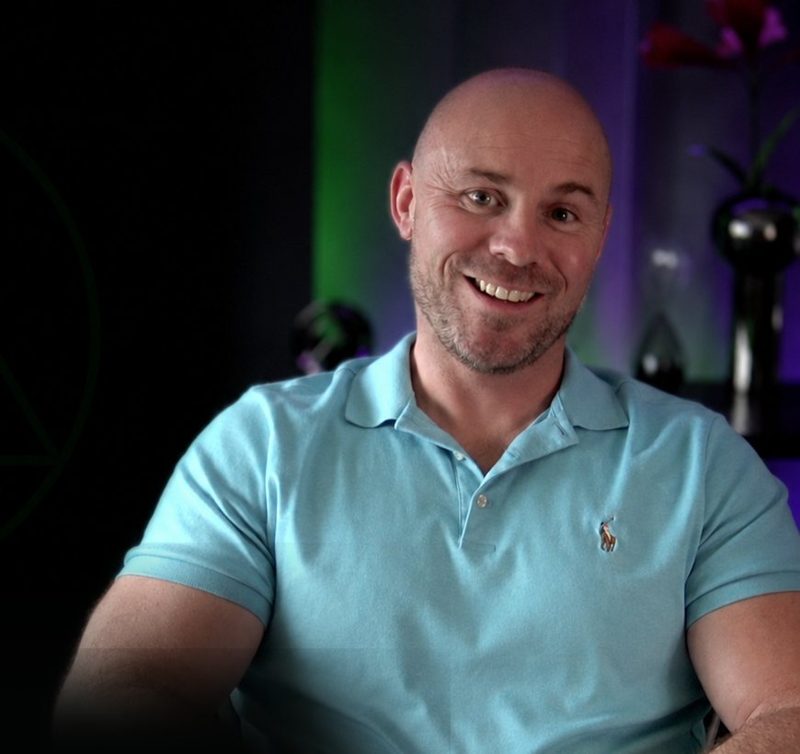
If you’ve tried to talk yourself out of this fear and it hasn’t worked, that isn’t a lack of willpower. A phobia is an alarm your mind learned, and logic alone rarely switches it off.
When a fear is less common, it can be harder to explain, so you may not have told many people about it. I work one to one over Zoom with people whose fears are holding them back, including rarer ones like this, and every plan starts with understanding what your fear is really about.
I’ve spent 17 years in clinical practice and helped more than 1,000 people with phobias. I hold a Postgraduate Certificate and a Postgraduate Diploma in Clinical Hypnotherapy, both with Distinction, and journalists and clients call me the Phobia Guru.
Common questions
Is it normal for children to be scared of the bogeyman?
Yes, fears of monsters and imaginary figures are very common in early childhood and usually fade with time. Calm reassurance, a night light and not using the bogeyman as a threat can all help. If the fear is affecting sleep for a long time, in a child or an adult, a GP is a good place to start.
How can you help?
I use hypnotherapy and NLP to change how your mind responds to the thing you fear, so the old alarm stops going off. Sessions are one to one over Zoom, and you get a recording of the hypnosis to listen to afterwards.
How many sessions will I need?
Many clients notice a real difference after one 90 minute session. If the fear goes back a long way, three sessions gives us room to make the change stick.
Further reading: Cleveland Clinic: Nyctophobia · NHS: Phobias
Ready to start?
A short call is the simplest next step. We’ll talk about your fear, what you’d like to feel instead, and whether I’m the right person to help.
- Take the free test at the top of this page to see how strong your fear is.
- Book a 30 minute call. Use code PHOBIA at checkout for half price: £24.50 instead of £49 ($29.50 outside the UK).
- Start your sessions over Zoom from wherever you live, or face to face in Hertfordshire.
See all session options and prices