
Fear of the colour purple (porphyrophobia)
Porphyrophobia is a fear of the colour purple. It might mean avoiding purple clothes, flowers or packaging, or feeling uneasy in a room painted purple. Because the colour turns up in so many places, the fear can be surprisingly hard to escape.
Many people find that with the right help, purple clothes, flowers and packaging become ordinary again.
Use code PHOBIA at checkout for half price: £24.50 instead of £49. Outside the UK? $29.50.
About this phobia
The name comes from the Greek porphyra, the word for purple dye. It is a rare fear that appears mostly on phobia lists, with little clinical writing about it. It belongs with chromophobia, a wider fear of colours, and can sometimes link to a memory tied to the colour.
How it shows up
Porphyrophobia can be oddly hard to escape, because purple turns up in packaging, flowers, clothes, signs and even the lighting at concerts. Some people feel uneasy rather than scared, while others feel a jolt of panic walking into a purple room. Disliking a colour is common and harmless, and plenty of people have a shade they cannot stand. The phobia is different because it brings real discomfort and avoidance, and it can sometimes be traced to a memory tied to the colour.
Common triggers
- Purple clothing
- Purple flowers such as lavender
- Purple walls or decor
- Branding and packaging
- Purple lighting
- Royal or religious purple at ceremonies
- Purple sweets and wrappers
Where it shows up
- Shops and supermarkets
- Gardens and parks
- Other people’s homes
- Events and stages
- Church services
- Sports events with purple kits
Symptoms
In your body
- Racing heart
- Sweating
- Nausea
- Tension
- Feeling on edge
In your mind
- Unease or dread
- Memories linked to the colour
- Embarrassment
- A strong urge to get away
What you might do
- Avoiding purple items
- Leaving rooms
- Turning down invitations
- Asking others not to wear purple
What may cause it
There is very little written about the fear of a single colour, so its causes are not well understood. Often it seems linked to an event or memory where the colour was present, so the colour itself becomes a reminder of how that moment felt. Some people simply react very strongly to certain colours, perhaps as part of wider sensory sensitivity. Avoiding the colour keeps the link alive, because there is no chance to build new, calmer associations.
How it can affect your life
The fear can make shopping, choosing clothes and visiting some places awkward, and it may even affect gifts or decorating at home. It can be hard to explain to others, who may treat it as a joke. That can leave the person feeling silly about a reaction they cannot simply switch off.
Related fears
- Fear of colours (chromophobia)
- Fear of the colour red (erythrophobia)
- Fear of the colour yellow (xanthophobia)
- Fear of the colour black (melanophobia)
Things that can help day to day
- Start by looking at a small purple object, such as a pen, for a short time
- Ask yourself whether a memory is linked to the colour
- Breathe slowly when the feeling rises and let it settle before moving away
- Build up gradually to larger purple things, such as a scarf or cushion
When to get help
If the fear is limiting daily life, a therapist who works with phobias can help. If it is tied to an upsetting memory, mention that too, as it can shape the best approach.
Explore more unusual fears in the rare phobias A to Z, or browse the common phobias.
About me
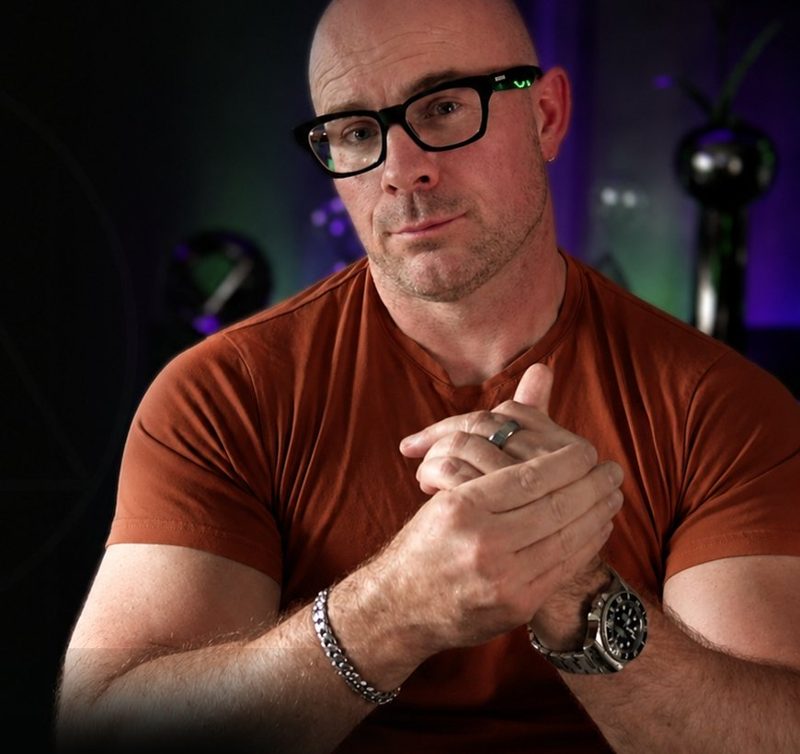
If you’ve tried to talk yourself out of this fear and it hasn’t worked, that isn’t a lack of willpower. A phobia is an alarm your mind learned, and logic alone rarely switches it off.
When a fear is less common, it can be harder to explain, so you may not have told many people about it. I work one to one over Zoom with people whose fears are holding them back, including rarer ones like this, and every plan starts with understanding what your fear is really about.
I’ve spent 17 years in clinical practice and helped more than 1,000 people with phobias. I hold a Postgraduate Certificate and a Postgraduate Diploma in Clinical Hypnotherapy, both with Distinction, and journalists and clients call me the Phobia Guru.
Common questions
Why would someone fear a single colour?
Fears of one colour often link to a particular event, place or person from the past, even if that link is not obvious at first. Others find a colour simply unsettling to look at. Exploring where the reaction began can help make sense of it.
How can you help?
I use hypnotherapy and NLP to change how your mind responds to the thing you fear, so the old alarm stops going off. Sessions are one to one over Zoom, and you get a recording of the hypnosis to listen to afterwards.
How many sessions will I need?
Many clients notice a real difference after one 90 minute session. If the fear goes back a long way, three sessions gives us room to make the change stick.
Further reading: Cleveland Clinic: Chromophobia (fear of colours) · NHS: Phobias
Ready to start?
A short call is the simplest next step. We’ll talk about your fear, what you’d like to feel instead, and whether I’m the right person to help.
- Take the free test at the top of this page to see how strong your fear is.
- Book a 30 minute call. Use code PHOBIA at checkout for half price: £24.50 instead of £49 ($29.50 outside the UK).
- Start your sessions over Zoom from wherever you live, or face to face in Hertfordshire.
See all session options and prices