
Fear of the dark (nyctophobia)
En español: lee sobre este miedo en Fobias.org.
Plenty of children are afraid of the dark. For some adults the fear never quite left, and it can affect sleep, living alone and going out at night.
Many people find that with the right help, they can switch off the light, sleep well and feel at ease at home after dark.
Use code PHOBIA at checkout for half price: £24.50 instead of £49. Outside the UK? $29.50.
Understanding this fear
Nyctophobia is an extreme fear of the dark, or of night-time. A bit of unease in a dark street or an unfamiliar house is normal, but with nyctophobia the anxiety is strong, lasts a long time and can bring on panic or make sleep very hard. Much of the fear is about what cannot be seen, such as intruders, strange noises or something lurking in the shadows. Some people also feel a creeping dread as bedtime gets closer.
Fear of the dark is one of the most common fears in children, especially between about 6 and 12, and most grow out of it by their teenage years. Some adults keep it, and others develop it later after a frightening experience. It often goes hand in hand with poor sleep, and the two can feed each other. It can also be linked with other anxiety problems, including general worry, panic and the after-effects of trauma.
If caves are what bother you most, read the page on the fear of caves.
Common triggers
- Turning the lights off at bedtime
- Waking in a pitch-black room
- Unexplained creaks, bangs or footsteps
- Power cuts
- Shadows or shapes in a dim room
- Walking home after dark
- Scary films, stories or news reports
- Being alone in the house at night
- Winter evenings when it gets dark early
Where it shows up
- Your own bedroom at night
- Unlit streets, parks and car parks
- Countryside with no street lights
- Hotels, holiday lets and unfamiliar houses
- Cinemas and theatres when the lights go down
- Camping trips and tents
- Hallways, lofts and cellars
Symptoms
In your body
- Pounding heart and quick breathing
- Feeling hot, clammy or sweaty
- Dry mouth or a tight throat
- Nausea or a knotted stomach
- Dizziness or headaches
- Jumping at small sounds
In your mind
- Someone could be in the house
- Something is there that I cannot see
- Ordinary noises sound like a threat
- Dread building as the evening goes on
- Feeling silly for being afraid as an adult
- Racing thoughts that make it hard to switch off
What you might do
- Sleeping with the lights or television on
- Checking locks, cupboards and under the bed
- In children, refusing to go to bed or turn the light off
- Avoiding going out after dark
- Staying up late to put off bedtime
- Asking a partner or parent to stay in the room
What causes it
A frightening experience, in the dark or even during the day, can be the starting point, and scary films or stories often add fuel. Our brains are wired to be extra alert when we cannot see, and some researchers link this to our ancestors facing predators at night. In the dark, hearing becomes sharper, so ordinary sounds can seem more alarming and the imagination fills in the gaps. A family history of anxiety, other phobias or past trauma may make it more likely. Sleeping with bright lights on or avoiding the dark brings quick relief, but it stops the brain learning that darkness on its own is safe.
How it can affect your life
The biggest effect is usually on sleep. Many people with nyctophobia struggle to fall or stay asleep, and long-term poor sleep can lead to tiredness, low concentration, irritability and strain on work and relationships. Some people avoid going out in the evening or staying away from home, and sharing a bedroom can be difficult if a partner wants the lights off. In children, broken sleep can affect mood, learning and behaviour at school.
Things that can help day to day
- Use a soft night light or dimmer rather than full lights, and lower it gradually over time
- In bed, try tensing and then relaxing each muscle group in turn, alongside slow breathing
- Repeat a calming phrase to yourself, such as it is dark, but I am safe
- Skip scary films, news or stories in the run-up to bedtime
- Keep a steady bedtime routine so your body knows when to wind down
When to get help
It is worth getting help if the fear is affecting your sleep most nights, stopping you going out after dark, or causing panic attacks. For children, a mild fear of the dark is very common and usually passes, but talk to your GP if it is severe, lasts a long time or is affecting their sleep and daytime life. If poor sleep or anxiety is affecting your own daily life, your GP can help you look at the options.
How I can help
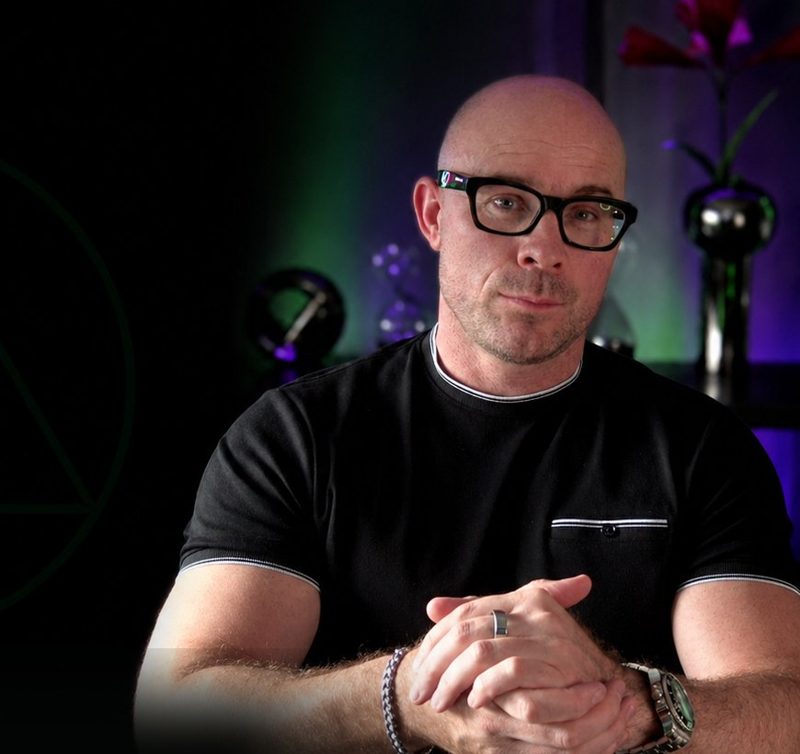
If you’ve tried to talk yourself out of this fear and it hasn’t worked, that isn’t a lack of willpower. A phobia is an alarm your mind learned, and logic alone rarely switches it off.
When someone comes to me with a fear of the dark, I want to know what the darkness means to them, whether it is intruders, an old frightening memory, or a sense of being alone and unprotected. Over Zoom, I use hypnotherapy to create a deep sense of calm, and then we rehearse lying in a dark room feeling safe and sleepy, so the brain learns a new link with night-time. NLP techniques can help change the pictures the mind conjures up in the dark and take the charge out of past experiences. Many clients find bedtime becomes calmer, which often helps their sleep as well.
I’ve spent 17 years in clinical practice and helped more than 1,000 people with phobias. I hold a Postgraduate Certificate and a Postgraduate Diploma in Clinical Hypnotherapy, both with Distinction.
Common questions
Is it normal for an adult to be afraid of the dark?
It is more common than many people admit, and it can carry on from childhood or start later after a frightening experience. It becomes a phobia when it causes strong anxiety, disrupts sleep or stops you doing things you want to do.
How can I help my child who is scared of the dark?
Stay calm and reassuring, keep bedtime routines predictable, and avoid teasing or forcing them. A soft night light can help, and you can praise small brave steps, such as a slightly dimmer light. If the fear is severe or long lasting, speak to your GP.
Is it bad to sleep with the light on?
A soft night light is a reasonable way to feel more comfortable. Bright lights can make restful sleep harder, though, so many people find it helps to dim the light gradually as their confidence grows.
Where does it come from?
Usually it starts in childhood and simply never got updated. A frightening experience at night, or a film, can also set it off.
How do sessions work?
I use hypnotherapy and NLP to change how your mind responds to the dark. Sessions are one to one over Zoom, and you get a recording of the hypnosis to listen to afterwards.
How many sessions will I need?
Many clients notice a real difference after one 90 minute session. If the fear goes back a long way, three sessions gives us room to make the change stick.
Further reading: Cleveland Clinic: Nyctophobia · Medical News Today: Nyctophobia
Ready to start?
A short call is the simplest next step. We’ll talk about your fear, what you’d like to feel instead, and whether I’m the right person to help.
- Take the free test at the top of this page to see how strong your fear is.
- Book a 30 minute call. Use code PHOBIA at checkout for half price: £24.50 instead of £49 ($29.50 outside the UK).
- Start your sessions over Zoom from wherever you live, or face to face in Hertfordshire.
See all session options and prices