
Fear of the Northern Lights (auroraphobia)
Auroraphobia is a fear of the Northern Lights. The shifting colours and unusual glow in the night sky can feel eerie or threatening rather than beautiful to some people. Because the aurora is sometimes seen from parts of the UK, the fear can come up closer to home than expected.
Many people find that with the right help, the Northern Lights become something to enjoy rather than dread.
Use code PHOBIA at checkout for half price: £24.50 instead of £49. Outside the UK? $29.50.
About this phobia
The name comes from aurora, the Latin word for dawn, which also gives the scientific name aurora borealis. It is very rarely reported and appears mostly on lists of unusual phobias. It sits near other sky related fears, such as astrophobia, the fear of stars and space.
How it shows up
Auroraphobia can catch people off guard, because the aurora is usually seen as a rare treat. The swirling colours, unusual glow and silent movement can feel eerie or even threatening rather than beautiful. Some people worry the lights signal danger or something wrong with the sky, while others find the unfamiliar sight simply overwhelming. It differs from mild unease because the fear can bring panic or lead people to avoid going out on clear nights.
Common triggers
- Aurora alerts and forecasts
- Photos of the Northern Lights
- Green, red or purple glows in the sky
- News about solar storms
- Friends sharing aurora pictures online
- Unusual colours in the night sky
- Invitations to go aurora watching
Where it shows up
- Scotland and northern parts of the UK
- Dark countryside
- Holidays to Iceland or Norway
- Social media feeds
- Outside on clear nights
Symptoms
In your body
- Racing heart
- Shortness of breath
- Shaking
- Feeling cold or clammy
In your mind
- A sense that something is wrong or unnatural
- Fear of danger from the sky
- Feeling small or overwhelmed
- Dread when the aurora is forecast
What you might do
- Staying indoors on clear nights
- Avoiding holidays in northern countries
- Muting aurora news and posts
- Keeping curtains closed after dark
What may cause it
Auroraphobia is very rarely reported and has no clinical research of its own. It may link to broader fears about the sky and space, or to unease about natural events that look strange and unpredictable. In folklore the aurora was sometimes seen as an omen, and some of that unease may still echo today. Avoidance brings relief but stops the mind from learning that the lights are harmless to watch.
How it can affect your life
The fear can make clear nights stressful, especially when the aurora is in the news and friends are keen to go out and look. It may also limit holidays and outdoor activities in northern areas. Some people feel left out when others share excited photos.
Related fears
- Fear of stars and space (astrophobia)
- Fear of the dark (nyctophobia)
- Fear of thunder and lightning (astraphobia)
Things that can help day to day
- Learn how the aurora forms, as understanding the science can ease the fear
- Look at photos and videos before any real sighting
- Watch with someone calm and supportive if you choose to look
- Switch off aurora alert apps if they keep the worry going
When to get help
If the fear brings panic or affects your sleep or daily life, speak to a GP or to a therapist trained in phobias. Help can be useful even for a rare fear, as the way phobias work is much the same whatever the trigger.
Explore more unusual fears in the rare phobias A to Z, or browse the common phobias.
About me
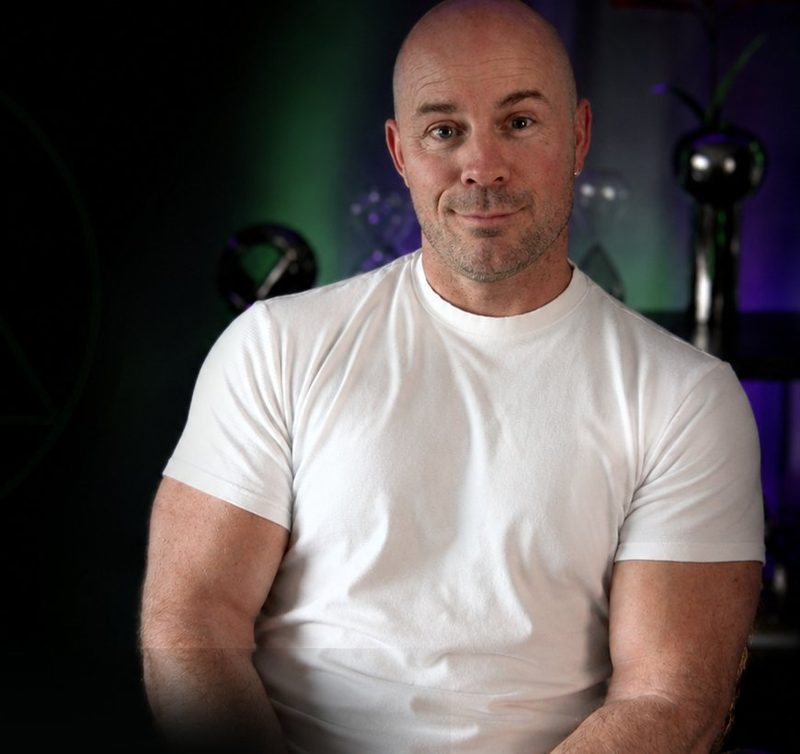
If you’ve tried to talk yourself out of this fear and it hasn’t worked, that isn’t a lack of willpower. A phobia is an alarm your mind learned, and logic alone rarely switches it off.
When a fear is less common, it can be harder to explain, so you may not have told many people about it. I work one to one over Zoom with people whose fears are holding them back, including rarer ones like this, and every plan starts with understanding what your fear is really about.
I’ve spent 17 years in clinical practice and helped more than 1,000 people with phobias. I hold a Postgraduate Certificate and a Postgraduate Diploma in Clinical Hypnotherapy, both with Distinction, and journalists and clients call me the Phobia Guru.
Common questions
Are the Northern Lights dangerous?
No. The Northern Lights are a natural display caused by particles from the sun meeting the upper atmosphere, and they pose no danger to people watching from the ground. Understanding what causes them helps some people feel calmer.
How can you help?
I use hypnotherapy and NLP to change how your mind responds to the thing you fear, so the old alarm stops going off. Sessions are one to one over Zoom, and you get a recording of the hypnosis to listen to afterwards.
How many sessions will I need?
Many clients notice a real difference after one 90 minute session. If the fear goes back a long way, three sessions gives us room to make the change stick.
Further reading: Astronomy Magazine: Night sweats · Cleveland Clinic: Nyctophobia · Cleveland Clinic: Astraphobia
Ready to start?
A short call is the simplest next step. We’ll talk about your fear, what you’d like to feel instead, and whether I’m the right person to help.
- Take the free test at the top of this page to see how strong your fear is.
- Book a 30 minute call. Use code PHOBIA at checkout for half price: £24.50 instead of £49 ($29.50 outside the UK).
- Start your sessions over Zoom from wherever you live, or face to face in Hertfordshire.
See all session options and prices