
Fear of the number five (quintaphobia)
Quintaphobia is a fear of the number five. Someone with it might avoid house number five, re-order items so there are never five of something, or feel uneasy when a time or total ends in five. It can sit quietly in the background or shape a surprising number of small daily choices.
Many people find that with the right help, the number 5 becomes just a number again.
Use code PHOBIA at checkout for half price: £24.50 instead of £49. Outside the UK? $29.50.
About this phobia
The name comes from the Latin quintus, meaning fifth. It is rarely reported and appears mostly on lists of number-related fears. It belongs with other number phobias such as triskaidekaphobia, the fear of thirteen, and tetraphobia, the fear of four.
How it shows up
Most people never notice how often five appears, but someone with this fear may spot it everywhere, from bus numbers to prices ending in five pence. It can feel as though the number brings bad luck, or simply that something is wrong when it turns up. Unlike everyday superstition, the unease can be strong enough to change where someone lives, what they buy or how they lay things out. It may stay quiet for years, then flare up at stressful times.
Common triggers
- House or flat number five
- Times like 5:55 on a clock
- Prices or totals ending in five
- Groups of five people or objects
- The fifth day of the month
- Being fifth in a queue
Where it shows up
- Home and house hunting
- Shops and checkouts
- Car parks and seat numbers
- Calendars and appointment times
- Hotels and room numbers
Symptoms
In your body
- Sinking feeling in the stomach
- Muscle tension
- Restlessness
- Racing heart
In your mind
- Sense that something bad will happen
- Counting and checking for fives
- Unease until the number is changed
What you might do
- Adding or removing items to avoid five
- Moving appointments set on the fifth
- Turning down homes or rooms numbered five
- Changing quantities at the till
What may cause it
There is almost no research on this fear specifically. Number fears often build up from a bad event linked to a certain number, or from superstitions picked up in the family or wider culture. For some people the need to avoid or fix a number ties in with obsessive compulsive patterns, where a ritual eases anxiety for a short while. Each time the ritual seems to work, the brain learns to lean on it a little more.
How it can affect your life
It can make house moves, bookings and shopping more complicated, and may cause embarrassment when others notice the rearranging. Over time the small daily changes can add up and use a lot of mental energy. At work it may slow down tasks that involve figures, lists or schedules.
Related fears
- Fear of the number thirteen (triskaidekaphobia)
- Fear of the number four (tetraphobia)
- Fear of numbers (arithmophobia)
Things that can help day to day
- Jot down when the urge to avoid five shows up
- Try leaving one small group of five in place and wait
- Remind yourself that numbers are labels, not signs
- Cut back one ritual at a time rather than all at once
When to get help
If avoiding or fixing numbers takes up a lot of time or feels impossible to resist, speak to a GP. Talking therapies can help with both number fears and obsessive patterns.
Explore more unusual fears in the rare phobias A to Z, or browse the common phobias.
About me
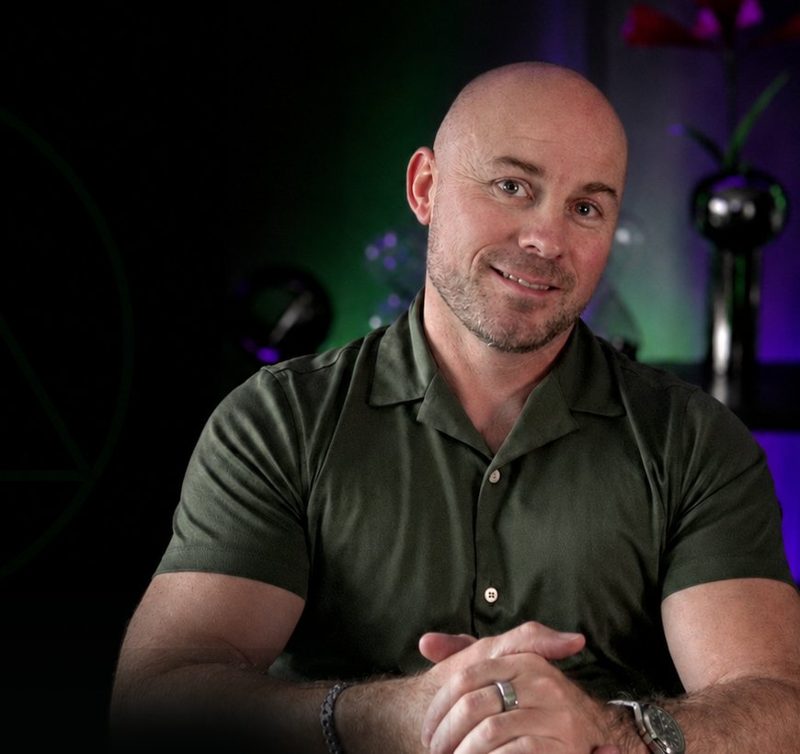
If you’ve tried to talk yourself out of this fear and it hasn’t worked, that isn’t a lack of willpower. A phobia is an alarm your mind learned, and logic alone rarely switches it off.
When a fear is less common, it can be harder to explain, so you may not have told many people about it. I work one to one over Zoom with people whose fears are holding them back, including rarer ones like this, and every plan starts with understanding what your fear is really about.
I’ve spent 17 years in clinical practice and helped more than 1,000 people with phobias. I hold a Postgraduate Certificate and a Postgraduate Diploma in Clinical Hypnotherapy, both with Distinction, and journalists and clients call me the Phobia Guru.
Common questions
Is a fear of a number a form of OCD?
Not necessarily. Some number fears are simple superstitions or specific phobias, while others are part of obsessive compulsive patterns involving counting or checking. If rituals around numbers take up a lot of time or cause real distress, a GP can help work out what is going on.
How can you help?
I use hypnotherapy and NLP to change how your mind responds to the thing you fear, so the old alarm stops going off. Sessions are one to one over Zoom, and you get a recording of the hypnosis to listen to afterwards.
How many sessions will I need?
Many clients notice a real difference after one 90 minute session. If the fear goes back a long way, three sessions gives us room to make the change stick.
Further reading: Wikipedia: Triskaidekaphobia · Wikipedia: Tetraphobia · NHS: Phobias
Ready to start?
A short call is the simplest next step. We’ll talk about your fear, what you’d like to feel instead, and whether I’m the right person to help.
- Take the free test at the top of this page to see how strong your fear is.
- Book a 30 minute call. Use code PHOBIA at checkout for half price: £24.50 instead of £49 ($29.50 outside the UK).
- Start your sessions over Zoom from wherever you live, or face to face in Hertfordshire.
See all session options and prices