
Fear of the number four (tetraphobia)
Tetraphobia is a fear or avoidance of the number 4. Someone affected might avoid addresses, phone numbers or seat numbers containing a 4, or feel uneasy when the number turns up in dates and prices.
Many people find that with the right help, the number 4 becomes just a number, on a door, a phone or a floor.
Use code PHOBIA at checkout for half price: £24.50 instead of £49. Outside the UK? $29.50.
About this phobia
The word comes from the Greek tetra, meaning four. It is one of the better documented number fears because it is rooted in superstition in parts of East Asia, where the word for four sounds similar to the word for death in languages such as Chinese, Japanese and Korean. As a result some buildings there skip a fourth floor, much as some Western buildings skip a thirteenth.
How it shows up
Many people have a lucky or unlucky number, and where four is linked with death, avoiding it is part of everyday culture rather than a personal fear. Tetraphobia becomes a problem when the unease goes beyond custom and starts to bring real anxiety. Someone might feel a jolt of dread on seeing a 4 on a receipt, or be unable to settle in a hotel room on the fourth floor. What separates it from ordinary superstition is how much the number takes up attention and narrows choices.
Common triggers
- House or flat numbers with a 4
- Phone numbers and number plates
- Prices, dates and times containing 4
- Fourth floors and seat numbers
- Gifts or items in sets of four
- The fourth day of the month
Where it shows up
- Hotels and apartment blocks
- Lifts and car parks
- Hospitals and offices
- Shops and tills
- Booking flights or seats
- Choosing a new home or car
Symptoms
In your body
- Unease in the stomach
- Tense muscles
- Faster heartbeat
- Restlessness
In your mind
- A sense that something bad will happen
- Noticing 4s everywhere
- Feeling unsettled until the number is gone
What you might do
- Avoiding addresses or rooms with a 4
- Changing numbers or bookings
- Adjusting amounts to avoid a 4
- Asking others to swap seats
What may cause it
Unlike many number fears, tetraphobia has a clear cultural root and is often learned from family and community from an early age. When the belief is strong, coincidences such as bad news on a date with a 4 can seem to prove it. Avoiding the number brings relief, which keeps the habit going. Sometimes the pattern also overlaps with obsessive worries about luck or harm.
How it can affect your life
The fear can limit choices of home, travel and work, and add stress to everyday tasks like booking or paying. For people living where the belief is not widely shared, it can also be hard to explain to others. Family members who do not share the belief may find the avoidance puzzling or frustrating.
Related fears
- Fear of the number 13 (triskaidekaphobia)
- Fear of numbers (arithmophobia)
- Fear of death (thanatophobia)
- Fear of Friday the 13th (paraskevidekatriaphobia)
Things that can help day to day
- Name the thought as a belief, not a rule
- Let small 4s pass without acting on them
- Talk with family about how strongly each of you holds the belief
- Use calm breathing when the number catches you
When to get help
If the fear is shaping big decisions, or you feel driven to check, count or avoid in ways that upset you, a GP or therapist can help. Respect for cultural beliefs and help with anxiety can sit side by side.
Explore more unusual fears in the rare phobias A to Z, or browse the common phobias.
About me
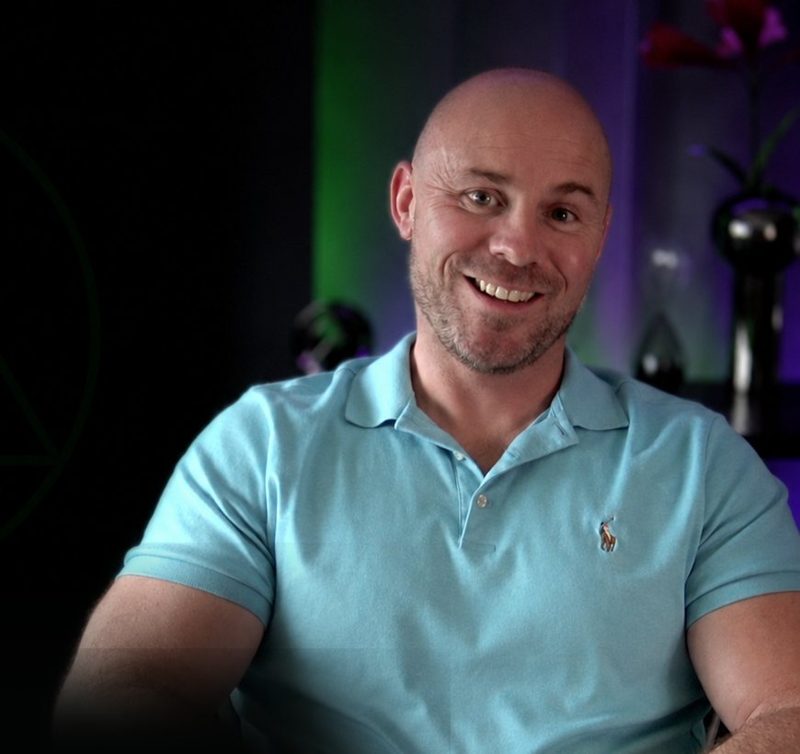
If you’ve tried to talk yourself out of this fear and it hasn’t worked, that isn’t a lack of willpower. A phobia is an alarm your mind learned, and logic alone rarely switches it off.
When a fear is less common, it can be harder to explain, so you may not have told many people about it. I work one to one over Zoom with people whose fears are holding them back, including rarer ones like this, and every plan starts with understanding what your fear is really about.
I’ve spent 17 years in clinical practice and helped more than 1,000 people with phobias. I hold a Postgraduate Certificate and a Postgraduate Diploma in Clinical Hypnotherapy, both with Distinction, and journalists and clients call me the Phobia Guru.
Common questions
Why is the number 4 considered unlucky?
In several East Asian languages the word for four sounds close to the word for death, so the number became linked with bad luck. For many people this is a cultural habit rather than a fear, but it can become a phobia if it causes real anxiety or restricts daily choices.
How can you help?
I use hypnotherapy and NLP to change how your mind responds to the thing you fear, so the old alarm stops going off. Sessions are one to one over Zoom, and you get a recording of the hypnosis to listen to afterwards.
How many sessions will I need?
Many clients notice a real difference after one 90 minute session. If the fear goes back a long way, three sessions gives us room to make the change stick.
Further reading: BMJ: The Hound of the Baskervilles effect · Cleveland Clinic: Octophobia (fear of the number 8) · NHS: Phobias
Ready to start?
A short call is the simplest next step. We’ll talk about your fear, what you’d like to feel instead, and whether I’m the right person to help.
- Take the free test at the top of this page to see how strong your fear is.
- Book a 30 minute call. Use code PHOBIA at checkout for half price: £24.50 instead of £49 ($29.50 outside the UK).
- Start your sessions over Zoom from wherever you live, or face to face in Hertfordshire.
See all session options and prices