
Fear of the sea (thalassophobia)
En español: lee sobre este miedo en Fobias.org.
A fear of the sea can show up on beaches, boats, ferries, piers or when you look at deep, dark water. Often it is the fear of what lies beneath, and it can be helped.
Many people find that with the right help, a beach, a ferry or a look at deep water becomes something they can enjoy.
Use code PHOBIA at checkout for half price: £24.50 instead of £49. Outside the UK? $29.50.
Understanding this fear
Thalassophobia is a strong fear of the sea and other large, deep bodies of water. For some people it is the vastness and the dark, endless depth, for others it is what might be swimming below, and for some it is being far from land. It differs from a general fear of water, and many people with it are fine in a bath or a shallow pool. Just looking at a photo of deep, dark water can be enough to bring a wave of dread.
There are no reliable figures on how common it is, although specific phobias in general are common. Some psychologists suggest humans may be wired to be wary of deep water and of what we cannot see, which may explain why this fear is so easily set off. It can follow a frightening moment, such as being knocked over by a wave, or grow from films and news about sharks and shipwrecks. It often links with fears of drowning, the dark or sea creatures, and knowing which part matters most helps shape the work.
If whales are what bother you most, read the page on the fear of whales.
Common triggers
- Looking down into deep, dark water
- Not being able to see the bottom
- Being out of your depth
- Seaweed or something brushing your leg
- Waves, swell and choppy water
- Watching land get further away
- Films, documentaries and photos of the open ocean
- Stories of shark attacks and shipwrecks
Where it shows up
- Beaches and the shoreline
- Boats, ferries and cruise ships
- Piers, harbour walls and jetties
- Snorkelling and diving trips
- Lakes, reservoirs and quarries
- Aquariums with large deep tanks
- Beach holidays with family or friends
Symptoms
In your body
- Racing heart and shallow breathing
- Dizziness or a sense of vertigo when looking at the water
- Sweating, shaking or weak legs
- A sinking feeling in the stomach
- Feeling frozen or stiff
- Tight chest or a choking feeling
In your mind
- Something is down there that I cannot see
- I will be pulled under and no one will reach me
- Feeling tiny and helpless against the size of the sea
- Dread when others suggest a swim or boat trip
- Feeling detached or unreal near deep water
What you might do
- Staying out of the water or only paddling at the edge
- Avoiding ferries, boat trips and cruises
- Choosing holidays away from the coast
- Keeping your eyes fixed on the shore
- Skipping past ocean scenes on TV
- Needing to see the bottom before going in
What causes it
Some experts think a wariness of deep water and the unknown is built into us, because for our ancestors it held real dangers. On top of that, a personal experience can set the fear firmly, such as being caught by a wave, swept off your feet or feeling unsafe while learning to swim. Films, news reports about sharks or disasters and frightening stories from adults can all play a part, and children may pick up the fear from watching a parent. Because most people only see the sea now and then, the fear can stay untouched for years, and avoiding beaches and boats gives the mind no chance to learn that calmer experiences are possible.
How it can affect your life
Thalassophobia can limit holidays, family days at the beach and travel by ferry or cruise. Parents may find it hard to watch their children swim, or worry about passing the fear on. Some people miss out on things they would like to try, such as snorkelling or sailing. The dread before a coastal trip can spoil the time leading up to it.
Things that can help day to day
- Look at calm photos of shallow, clear water while breathing slowly, then build up to deeper scenes
- Work out which part scares you most, whether depth, darkness, creatures or distance from land
- Spend time at a lifeguarded beach on dry sand or the promenade, at your own pace
- Learn or refresh swimming skills in a pool with a qualified instructor
- Swim only at lifeguarded beaches with others, and never go in alone or out of your depth to test yourself
When to get help
It is worth getting help if the fear is stopping you going on holiday, travelling or enjoying time with family, or if even pictures of the sea bring panic. Help is also worth seeking if the fear followed a frightening experience, such as a near miss in the water, and the memory still feels raw. If anxiety is affecting your daily life, start by speaking to your GP.
How I can help
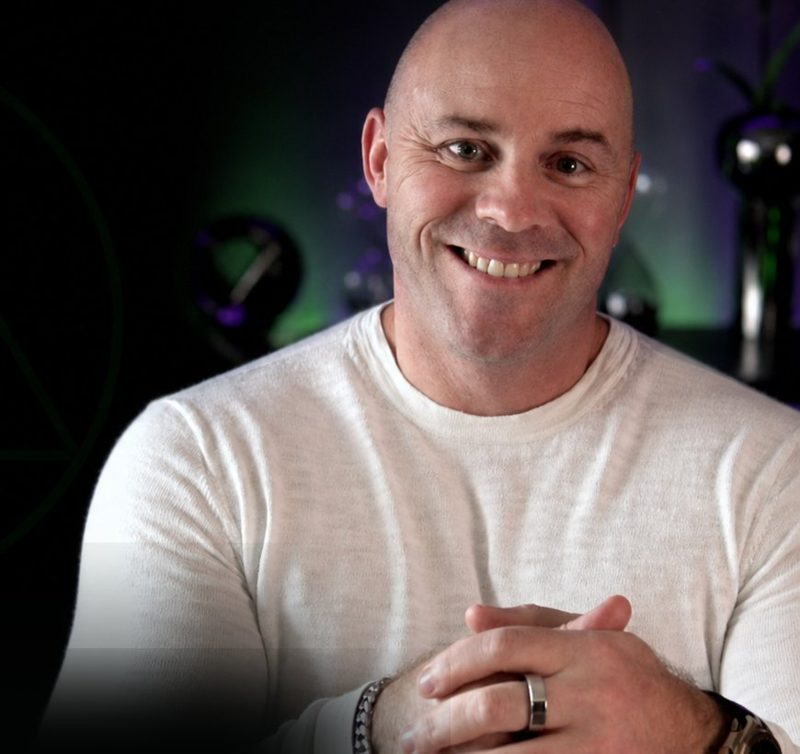
If you’ve tried to talk yourself out of this fear and it hasn’t worked, that isn’t a lack of willpower. A phobia is an alarm your mind learned, and logic alone rarely switches it off.
People’s fear of the sea is surprisingly individual, so in our Zoom sessions I first ask what it is about for you, whether that is the depth, the dark, what might be below or an old moment in the water. Using hypnotherapy and NLP, we let your mind rehearse being by the sea, on a ferry or standing at the water’s edge while your body stays calm. Bit by bit that changes the reaction your brain has learned to deep, dark water. Many clients find they can enjoy the coast again, always with sensible water safety in place.
I’ve spent 17 years in clinical practice and helped more than 1,000 people with phobias. I hold a Postgraduate Certificate and a Postgraduate Diploma in Clinical Hypnotherapy, both with Distinction.
Common questions
What is the difference between thalassophobia and aquaphobia?
Aquaphobia is a fear of water in general, while thalassophobia is a fear of deep, open water such as the sea. Many people with thalassophobia are fine in a shallow pool or the bath. The fear tends to be about depth, vastness and what lies beneath.
Why do pictures of the deep ocean scare me?
Images of dark, endless water can set off the same alarm as being there, especially the feeling of not knowing what is below. Some experts think humans are naturally wary of deep water and the unknown. For people with thalassophobia, that natural wariness has become much stronger than it needs to be.
Can I get over a fear of the sea if I cannot swim?
Yes, the anxiety itself can be worked on whether or not you swim. Learning to swim with a qualified instructor in a pool can also build confidence. Water safety always comes first.
Is a fear of the sea the same as a fear of drowning?
They are linked but not identical. Some people fear drowning, others fear the depth, the darkness or unknown creatures below. Knowing which it is for you helps us plan the work.
How can you help?
I use hypnotherapy and NLP to change how your mind responds to the thing you fear, so the old alarm stops going off. Sessions are one to one over Zoom, and you get a recording of the hypnosis to listen to afterwards.
How many sessions will I need?
Many clients notice a real difference after one 90 minute session. If the fear goes back a long way, three sessions gives us room to make the change stick.
Further reading: Medical News Today: Thalassophobia · Wikipedia: Thalassophobia · NHS: Phobias
Ready to start?
A short call is the simplest next step. We’ll talk about your fear, what you’d like to feel instead, and whether I’m the right person to help.
- Take the free test at the top of this page to see how strong your fear is.
- Book a 30 minute call. Use code PHOBIA at checkout for half price: £24.50 instead of £49 ($29.50 outside the UK).
- Start your sessions over Zoom from wherever you live, or face to face in Hertfordshire.
See all session options and prices