
Fear of the sun (heliophobia)
En español: lee sobre este miedo en Fobias.org.
A fear of the sun can show up on holiday, in the garden, on sunny commutes or any time you are outdoors on a bright day. It can keep you indoors and make summer feel stressful. It can be helped.
Many people find that with the right help, a sunny day becomes something to enjoy sensibly, in the garden or on holiday.
Use code PHOBIA at checkout for half price: £24.50 instead of £49. Outside the UK? $29.50.
Understanding this fear
Heliophobia is an anxiety-based fear of the sun, sunlight or very bright light. It is different from being sensibly careful in the sun, and different again from conditions where light physically hurts the eyes or skin. With heliophobia, the distress comes from the fear itself, and some people even feel burning or prickling on their skin in sunlight without any actual damage. It can turn sunny days into something to dread rather than enjoy.
It is thought to be rare, and there is little research on how many people it affects. Before anyone treats it as a phobia, physical causes such as light sensitivity from migraines, eye problems or skin conditions need to be checked by a doctor. A strong fear of skin cancer or eye damage is not quite the same thing, but it can grow into heliophobia over time. Because the fear tends to keep people indoors during the day, it can also become linked with social anxiety or a fear of leaving the house.
Common triggers
- Bright, cloudless mornings
- Heatwave forecasts
- High UV index warnings
- Sunlight on bare skin
- Glare from windows, water or snow
- Stories about sunburn or skin cancer
- Being outdoors with no shade nearby
- Memories of a bad sunburn or heatstroke
Where it shows up
- Beaches and outdoor pools
- Parks and gardens
- School sports days and fetes
- Outdoor weddings and barbecues
- Driving with sun through the windscreen
- Holidays in hot countries
- Walking to the shops at midday
- Sunny commutes and station platforms
Symptoms
In your body
- Racing or irregular heartbeat
- Sweating and trembling
- Fast breathing or feeling short of air
- Dry mouth
- Burning or prickling skin with no visible cause
- Nausea or shakiness
- Muscle tension or cramps
In your mind
- My skin is being damaged right now
- Feeling trapped when there is no shade
- Constant thoughts about forecasts and UV levels
- Dread as summer approaches
- Struggling to focus on anything except the sun
What you might do
- Staying indoors during daylight
- Keeping curtains or blinds closed
- Wearing heavy covering even on mild days
- Reapplying sunscreen far more than advised
- Turning down outdoor plans with friends and family
- Going out only early or late in the day
What causes it
Heliophobia can follow a painful experience in bright light, such as a severe sunburn, heatstroke, regular light-triggered migraines or a frightening event that happened on a sunny day. It can also be learned from a family member who was very anxious about the sun, or from health messages taken in as a sense of constant danger rather than sensible care. People who are already prone to anxiety may be more at risk. Once the fear is set, every day spent indoors brings relief, and that relief teaches the brain that daylight really is a threat, so the list of safe places slowly shrinks.
How it can affect your life
Avoiding daylight can make it hard to get to work or school, do the shopping or join family days out, especially in summer. Friendships and relationships can suffer when plans are always moved indoors or cancelled. Spending long periods inside and alone can lower mood, and some people worry about getting enough vitamin D, which is something to discuss with a GP. Holidays and outdoor events with children can become a source of stress instead of pleasure.
Things that can help day to day
- Keep sensible sun care such as shade, a hat and sunscreen at the normal recommended level rather than adding more and more
- Start with short spells outdoors in early morning or evening light and build up gradually
- Practise slow breathing when you notice the urge to rush back indoors
- Limit checking forecasts and UV apps to set times each day
- Plan outdoor time with someone supportive and agree a shady spot to rest
When to get help
If sunlight makes your skin or eyes physically unwell, please see your GP first so we know what is going on. It is also worth getting help if you are staying indoors most days, missing work or family life, or feeling low because of the fear. Your GP can check your health, talk to you about vitamin D and point you towards support for anxiety.
How I can help
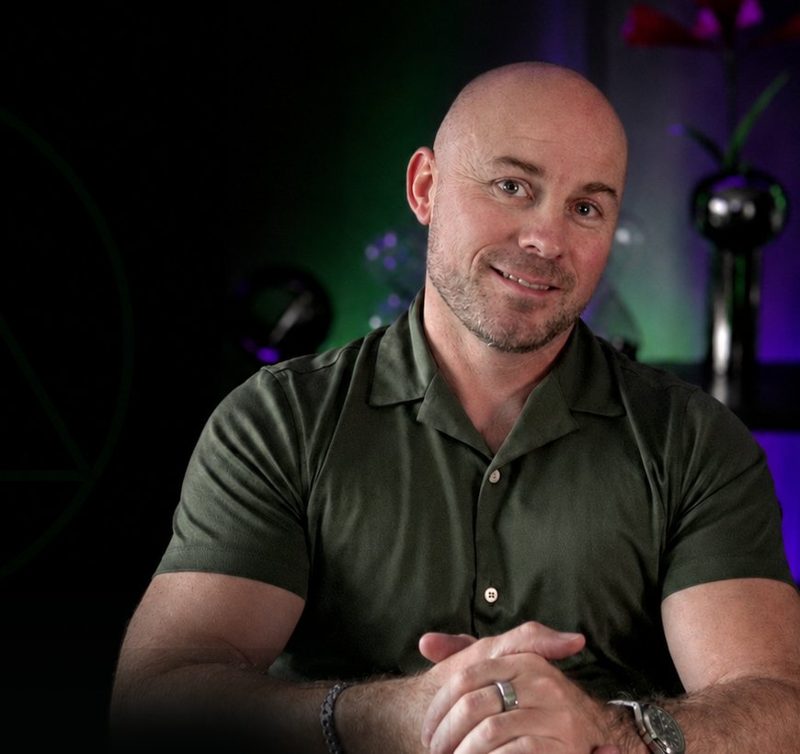
If you’ve tried to talk yourself out of this fear and it hasn’t worked, that isn’t a lack of willpower. A phobia is an alarm your mind learned, and logic alone rarely switches it off.
Once your GP has ruled out a physical cause, I work with fear of the sun over Zoom by finding out what sunlight has come to mean for you, whether that is pain, danger, illness or a particular memory. With hypnotherapy and NLP, we rehearse calm, comfortable time outdoors in your imagination, with sensible protection in place, so your nervous system learns that bright days can be safe. I also help you separate genuine sun care from the alarm that fires automatically. Many clients find they start saying yes to days out again.
I’ve spent 17 years in clinical practice and helped more than 1,000 people with phobias. I hold a Postgraduate Certificate and a Postgraduate Diploma in Clinical Hypnotherapy, both with Distinction.
Please note: If sunlight makes your skin or eyes physically unwell, please see your GP first so we know what is going on.
Common questions
Is heliophobia the same as being sensitive to light?
No. Light sensitivity, often called photophobia, is a physical symptom linked to things like migraines or eye conditions, while heliophobia is an anxiety response. A painful physical reaction to light can sometimes lead to the fear, which is why a GP check comes first.
Is a fear of skin cancer a phobia?
Being careful about skin cancer is sensible. It becomes more like a phobia when the worry is constant, keeps you indoors on ordinary days or goes far beyond normal sun advice.
Can I work on this fear and still protect my skin?
Yes. The aim is not to stop protecting yourself but to bring your sun care back to a normal, sensible level, so you can go outside without panic.
Is this the same as being sensitive to sunlight?
No. Sensitivity to sunlight is a physical condition, while heliophobia is an anxiety about the sun. Taking sensible sun care is perfectly healthy. It is the fear that feels out of proportion that we work on.
How can you help?
I use hypnotherapy and NLP to change how your mind responds to the thing you fear, so the old alarm stops going off. Sessions are one to one over Zoom, and you get a recording of the hypnosis to listen to afterwards.
How many sessions will I need?
Many clients notice a real difference after one 90 minute session. If the fear goes back a long way, three sessions gives us room to make the change stick.
Further reading: Wikipedia: Heliophobia · NHS: Phobias · Mind: About phobias
Ready to start?
A short call is the simplest next step. We’ll talk about your fear, what you’d like to feel instead, and whether I’m the right person to help.
- Take the free test at the top of this page to see how strong your fear is.
- Book a 30 minute call. Use code PHOBIA at checkout for half price: £24.50 instead of £49 ($29.50 outside the UK).
- Start your sessions over Zoom from wherever you live, or face to face in Hertfordshire.
See all session options and prices