
Fear of nothingness (nihilophobia)
Nihilophobia is described as a fear of nothingness. In real life a similar feeling can arise when thinking about the vastness of space, what lies beyond life, or a sense of emptiness that is hard to put into words.
Many people find that with the right help, thoughts about nothingness and meaning become calmer and less frightening.
Use code PHOBIA at checkout for half price: £24.50 instead of £49. Outside the UK? $29.50.
About this phobia
Nihil is Latin for nothing. The term comes from Star Trek: Voyager, where it is a fictional fear, and it is not a recognised phobia. Thoughts about nothingness can overlap with a fear of death or with deep questions about meaning, which many people find unsettling at some point.
How it shows up
Most people wonder at some point about the size of the universe or what came before them, and then get on with their day. For some, though, thinking about nothingness brings a sudden, dizzy fear that is hard to switch off. It may arrive at night, after a documentary about space, or in a quiet moment, and can leave a person feeling unsteady and alone. When these thoughts keep returning and cause real distress, they are more than ordinary curiosity.
Common triggers
- Documentaries about space and the universe
- Late night thoughts in bed
- Talk of what happens after life
- Big questions about meaning
- Long silences or stillness
- Looking up at a clear night sky
- Thinking about how long the universe has existed
Where it shows up
- Bedtime and the early hours
- Science lessons or lectures
- Funerals or memorial services
- Planetariums and museums
- Long, quiet car or train rides
- Quiet weekends with little to fill them
Symptoms
In your body
- Dizziness or a sense of unreality
- Racing heart
- Tight chest
- Trouble sleeping
- Restlessness
In your mind
- Thoughts spiralling
- Sense of emptiness
- Feeling small or lost
- Difficulty switching off
What you might do
- Avoiding space documentaries
- Keeping busy to avoid thinking
- Needing noise or company at night
- Avoiding conversations about space or loss
What may cause it
As a fictional term, it has no research of its own. Unsettling thoughts about nothingness and existence are well known, and they can surface after a loss, during stressful periods, at turning points such as a big birthday, or simply when tired. Some people are naturally drawn to deep thinking, which can tip over into worry. Trying hard to push the thoughts away often makes them come back more strongly.
How it can affect your life
This kind of fear mostly affects sleep and quiet moments, which can leave people tired and on edge. It can also make conversations about loss or the universe uncomfortable. Some people find their thoughts drift back to it whenever life slows down, such as on holiday or after retirement.
Related fears
- Fear of death (thanatophobia)
- Fear of the unknown
- Fear of outer space and the stars (astrophobia)
Things that can help day to day
- Let the thought pass without arguing with it, like a cloud drifting by
- Ground yourself by naming five things you can see and hear
- Keep a calm routine before bed, perhaps with gentle music or a familiar podcast
- Talk the thoughts through with someone you trust
When to get help
If these thoughts affect your sleep or mood for weeks, or you feel low, please speak to your GP. Talking things through with a counsellor can also help a great deal.
Explore more unusual fears in the rare phobias A to Z, or browse the common phobias.
About me
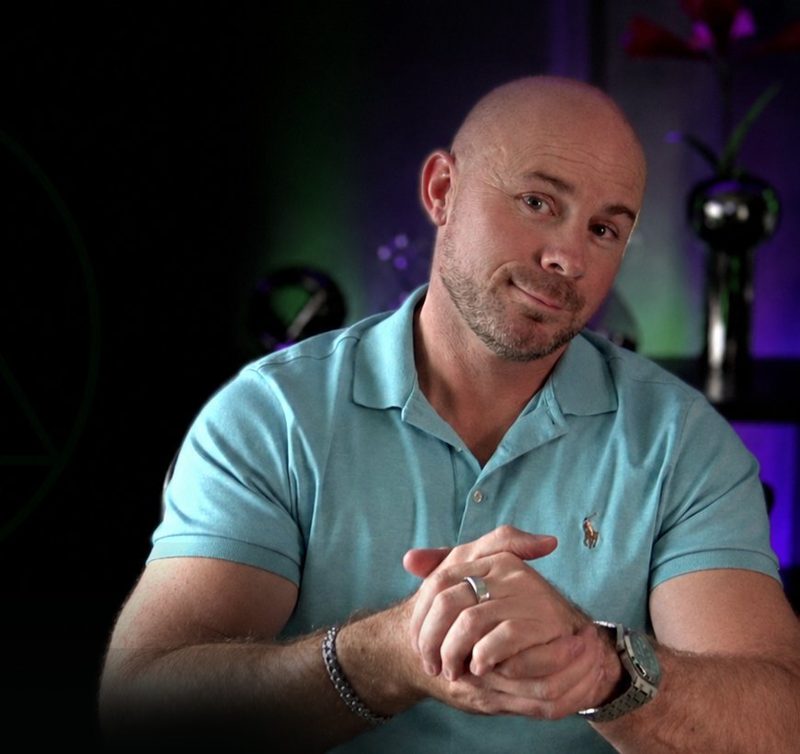
If you’ve tried to talk yourself out of this fear and it hasn’t worked, that isn’t a lack of willpower. A phobia is an alarm your mind learned, and logic alone rarely switches it off.
When a fear is less common, it can be harder to explain, so you may not have told many people about it. I work one to one over Zoom with people whose fears are holding them back, including rarer ones like this, and every plan starts with understanding what your fear is really about.
I’ve spent 17 years in clinical practice and helped more than 1,000 people with phobias. I hold a Postgraduate Certificate and a Postgraduate Diploma in Clinical Hypnotherapy, both with Distinction, and journalists and clients call me the Phobia Guru.
Common questions
Is it normal to feel scared when I think about nothingness?
Yes, many people feel a jolt of fear when they try to imagine nothing at all. These thoughts often come at quiet times, such as just before sleep. If they become frequent or upsetting, talking them through with someone you trust or a GP can help.
How can you help?
I use hypnotherapy and NLP to change how your mind responds to the thing you fear, so the old alarm stops going off. Sessions are one to one over Zoom, and you get a recording of the hypnosis to listen to afterwards.
How many sessions will I need?
Many clients notice a real difference after one 90 minute session. If the fear goes back a long way, three sessions gives us room to make the change stick.
Further reading: Cleveland Clinic: Thanatophobia · NHS: Phobias
Ready to start?
A short call is the simplest next step. We’ll talk about your fear, what you’d like to feel instead, and whether I’m the right person to help.
- Take the free test at the top of this page to see how strong your fear is.
- Book a 30 minute call. Use code PHOBIA at checkout for half price: £24.50 instead of £49 ($29.50 outside the UK).
- Start your sessions over Zoom from wherever you live, or face to face in Hertfordshire.
See all session options and prices