
Fear of theatres (theatrophobia)
Theatrophobia is a fear of theatres. For some people the worry is being stuck in the middle of a crowded row, while for others it is the darkened room, the risk of being picked out by a performer, or being unable to leave quietly.
Many people find that with the right help, a night at the theatre becomes something to look forward to.
Use code PHOBIA at checkout for half price: £24.50 instead of £49. Outside the UK? $29.50.
About this phobia
The term is found mostly on lists of phobias and has little clinical writing behind it. In practice the fear often draws on more familiar ones, such as fear of crowds, fear of enclosed spaces, social anxiety or a dread of audience participation. Stage fright, by contrast, is the fear of performing rather than watching.
How it shows up
Feeling a little restless in a long show or squashed into a narrow seat is common. For someone with theatrophobia, simply holding a ticket can bring dread, and once the lights go down the urge to escape can feel overwhelming. Many people with this fear love the idea of live theatre and feel frustrated that anxiety stops them enjoying it. The difference from mild discomfort is that the fear leads to turning down invitations or spending the whole performance watching the exit.
Common triggers
- Being seated in the middle of a row
- The house lights going down
- Performers coming into the audience
- Interval crowds and queues
- Not knowing how long the show will last
- Loud bangs or sudden effects
Where it shows up
- Theatres and opera houses
- Pantomimes and comedy clubs
- School plays and concerts
- Cinemas
- Lectures in large halls
- Weddings and religious services
Symptoms
In your body
- Racing heart when the doors close
- Feeling hot and short of breath
- Restless legs
- Needing the toilet more often
- Dry mouth
In your mind
- Fear of being trapped
- Worry about being picked out or laughed at
- Fear of a panic attack in front of others
- Constant awareness of exits
What you might do
- Booking aisle seats only
- Leaving at the interval
- Avoiding shows altogether
- Sitting near the back or the door
What may cause it
Theatrophobia has hardly been studied by name, and it usually draws on fears that are well understood. A panic attack in a crowded or dark space, a mortifying moment of audience participation or general social anxiety can each make theatres feel risky. Avoiding shows brings relief, so the fear is never tested. Over time it can spread to cinemas, concerts and other seated events.
How it can affect your life
The fear can mean missing family outings, school performances or nights out with friends. Some people feel they are letting others down, which adds guilt to the anxiety. It can also become a source of embarrassment if friends do not understand why a night out feels so hard.
Related fears
- Fear of crowds (enochlophobia)
- Fear of enclosed spaces (claustrophobia)
- Fear of situations that are hard to escape (agoraphobia)
- Social anxiety
Things that can help day to day
- Book an aisle seat near an exit to begin with
- Choose shorter shows or matinees
- Practise slow breathing before the lights go down
- Remind yourself you can leave if you really need to
When to get help
If the fear is stopping you from social events or causing panic attacks, speak to your GP or a qualified therapist. Help for panic and social anxiety is widely available.
Explore more unusual fears in the rare phobias A to Z, or browse the common phobias.
About me
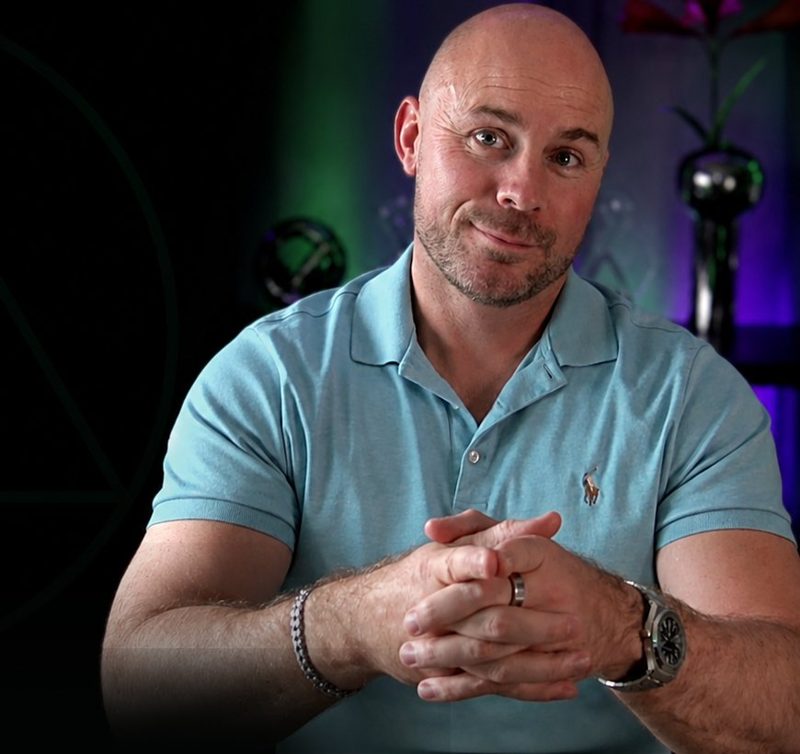
If you’ve tried to talk yourself out of this fear and it hasn’t worked, that isn’t a lack of willpower. A phobia is an alarm your mind learned, and logic alone rarely switches it off.
When a fear is less common, it can be harder to explain, so you may not have told many people about it. I work one to one over Zoom with people whose fears are holding them back, including rarer ones like this, and every plan starts with understanding what your fear is really about.
I’ve spent 17 years in clinical practice and helped more than 1,000 people with phobias. I hold a Postgraduate Certificate and a Postgraduate Diploma in Clinical Hypnotherapy, both with Distinction, and journalists and clients call me the Phobia Guru.
Common questions
Why do I feel anxious in theatres but not cinemas?
Theatres can feel more exposed, with live performers who may speak to the audience and fewer chances to slip out unnoticed. Working out which part feels most threatening, whether crowds, darkness or being singled out, can help explain the difference.
How can you help?
I use hypnotherapy and NLP to change how your mind responds to the thing you fear, so the old alarm stops going off. Sessions are one to one over Zoom, and you get a recording of the hypnosis to listen to afterwards.
How many sessions will I need?
Many clients notice a real difference after one 90 minute session. If the fear goes back a long way, three sessions gives us room to make the change stick.
Further reading: NHS: Agoraphobia · NHS: Claustrophobia · NHS: Phobias
Ready to start?
A short call is the simplest next step. We’ll talk about your fear, what you’d like to feel instead, and whether I’m the right person to help.
- Take the free test at the top of this page to see how strong your fear is.
- Book a 30 minute call. Use code PHOBIA at checkout for half price: £24.50 instead of £49 ($29.50 outside the UK).
- Start your sessions over Zoom from wherever you live, or face to face in Hertfordshire.
See all session options and prices