
Fear of thinking (phronemophobia)
Dreading being alone with your thoughts, keeping the radio or phone on at all times, or avoiding quiet moments can all point to phronemophobia, a fear of thinking. For many, the fear is really about certain kinds of thoughts, such as unwanted or upsetting ones. Bedtime and long car or train rides are common times for it to show up.
Many people find that with the right help, quiet moments feel safe and they can be alone with their thoughts.
Use code PHOBIA at checkout for half price: £24.50 instead of £49. Outside the UK? $29.50.
About this phobia
This term appears almost only on lists of phobias and is not a recognised clinical diagnosis. There is little written about it as its own fear. What it describes can overlap with intrusive thoughts, rumination and anxiety, which are well understood.
How it shows up
Phronemophobia can look like a busy, noisy life. A person may fall asleep to a podcast every night, never walk anywhere without earphones and fill every gap with their phone. Underneath, there is often a fear of what the mind might do if left alone, such as replaying regrets or throwing up unpleasant thoughts. Everyone has odd or unwanted thoughts from time to time; the difference here is a fear of having them at all.
Common triggers
- Silence
- Bedtime
- Long drives or train trips
- Waiting with nothing to do
- Unwanted or upsetting thoughts
- Being on your own
- A phone battery running low
Where it shows up
- In bed at night
- In the car or on a train
- In the shower
- On solo walks
- In meditation or quiet classes
- Waiting for appointments
Symptoms
In your body
- Restlessness
- Muscle tension
- Trouble getting to sleep
- Racing heart
- Fidgeting
In your mind
- Dreading certain kinds of thought
- Going over the same worries
- Feeling swamped by thinking
- Worry that having a thought says something bad about you
What you might do
- Keeping background noise on all the time
- Constant scrolling
- Avoiding quiet hobbies
- Staying busy to the point of exhaustion
What may cause it
This term is not a diagnosis and has not been studied as a separate fear. What it describes often links to intrusive thoughts, rumination or anxiety, where the mind keeps circling back to the same worries. Trying hard to block thoughts tends to make them louder, and constant distraction stops people learning that thoughts rise and pass on their own. Stress, loss or difficult memories can all add to it, especially at quiet times.
How it can affect your life
Sleep often suffers, and it may be hard to rest or relax properly. Constant distraction can leave people tired and less able to focus at work or school. Some also avoid quiet holidays, meditation or even talking therapy, because the stillness feels like a threat.
Related fears
- Intrusive thoughts
- Fear of being alone (monophobia)
- Fear of philosophy (philosophobia)
- Fear of silence (sedatephobia)
Things that can help day to day
- Practise noticing a thought and letting it drift past without arguing with it
- Start with a few quiet minutes a day and slowly add more
- Write thoughts down before bed so they feel less pressing
- Use gentle sounds such as rain or soft music rather than busy content at night
When to get help
If your thoughts are distressing, frequent or hard to manage, speak to your GP. Talking therapies work well for unwanted thoughts and rumination, and can help you feel safer with your own mind.
Explore more unusual fears in the rare phobias A to Z, or browse the common phobias.
About me
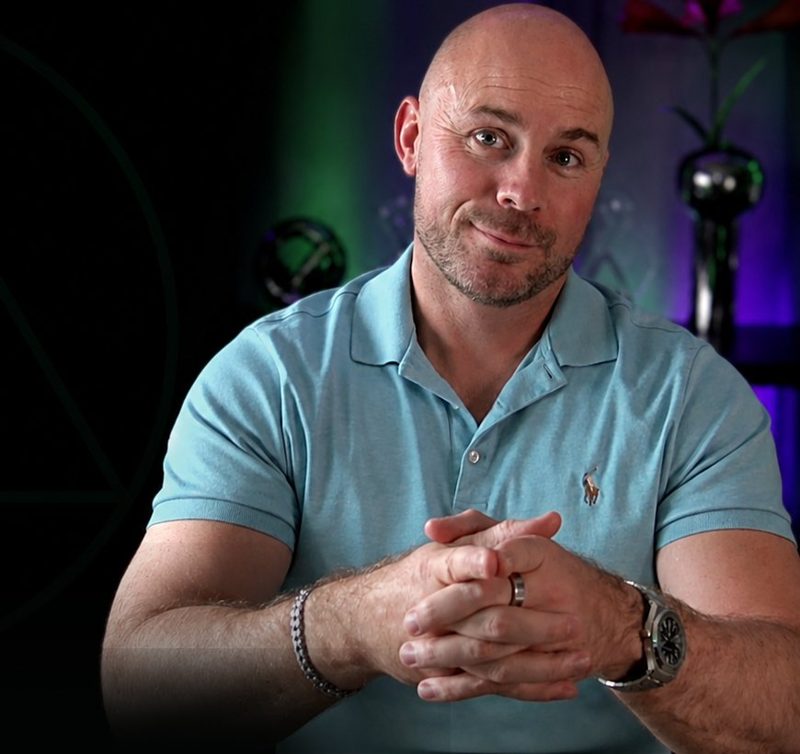
If you’ve tried to talk yourself out of this fear and it hasn’t worked, that isn’t a lack of willpower. A phobia is an alarm your mind learned, and logic alone rarely switches it off.
When a fear is less common, it can be harder to explain, so you may not have told many people about it. I work one to one over Zoom with people whose fears are holding them back, including rarer ones like this, and every plan starts with understanding what your fear is really about.
I’ve spent 17 years in clinical practice and helped more than 1,000 people with phobias. I hold a Postgraduate Certificate and a Postgraduate Diploma in Clinical Hypnotherapy, both with Distinction, and journalists and clients call me the Phobia Guru.
Common questions
Can you be afraid of your own thoughts?
Yes, and it is more common than the rare name suggests. Many people fear unwanted or intrusive thoughts, or worry that thinking about something makes it more likely to happen. These patterns are well understood, and a GP can point you towards support if they are affecting your life.
How can you help?
I use hypnotherapy and NLP to change how your mind responds to the thing you fear, so the old alarm stops going off. Sessions are one to one over Zoom, and you get a recording of the hypnosis to listen to afterwards.
How many sessions will I need?
Many clients notice a real difference after one 90 minute session. If the fear goes back a long way, three sessions gives us room to make the change stick.
Further reading: NHS: Obsessive compulsive disorder · Mind: Understanding phobias · NHS: Phobias
Ready to start?
A short call is the simplest next step. We’ll talk about your fear, what you’d like to feel instead, and whether I’m the right person to help.
- Take the free test at the top of this page to see how strong your fear is.
- Book a 30 minute call. Use code PHOBIA at checkout for half price: £24.50 instead of £49 ($29.50 outside the UK).
- Start your sessions over Zoom from wherever you live, or face to face in Hertfordshire.
See all session options and prices